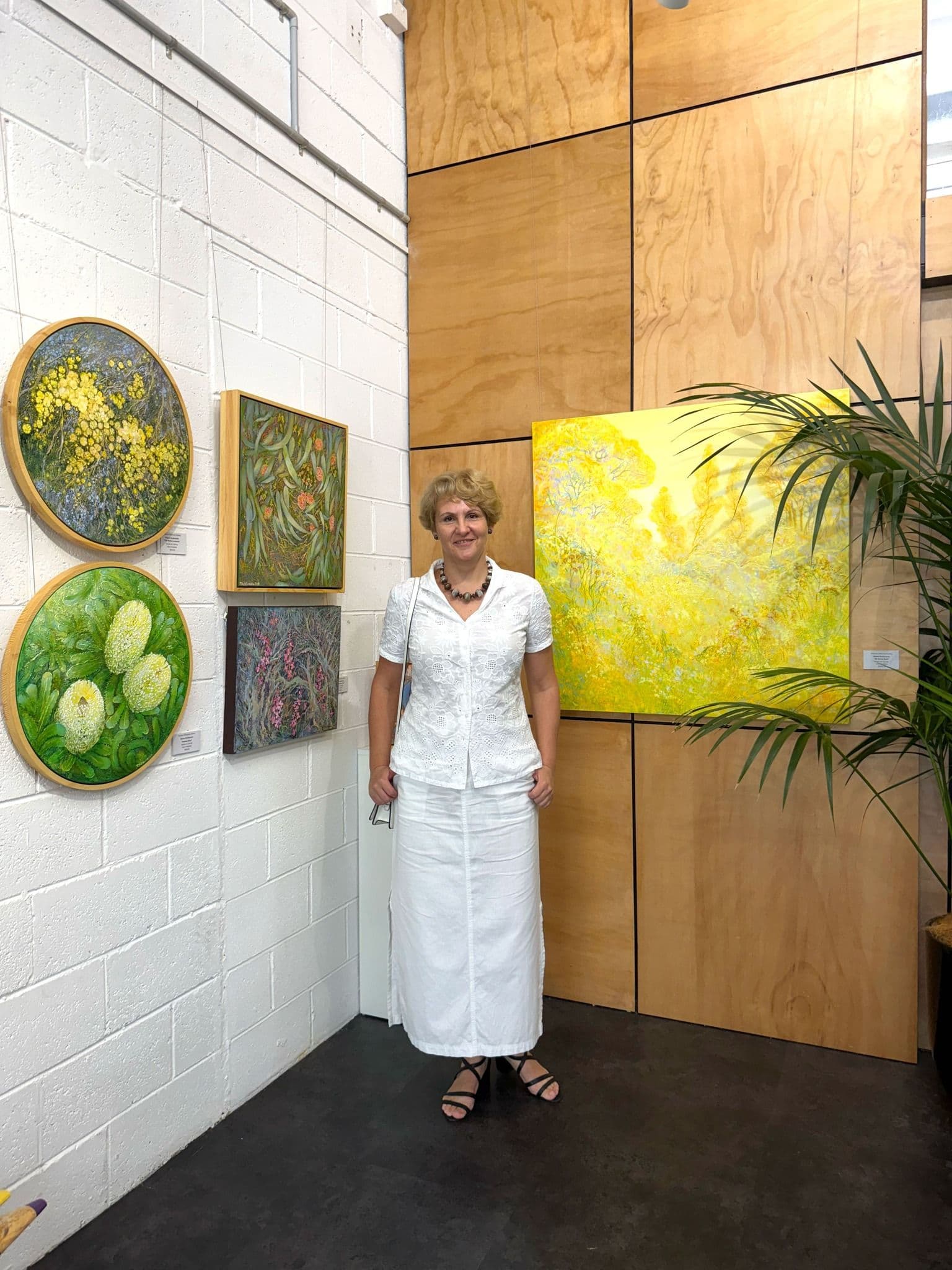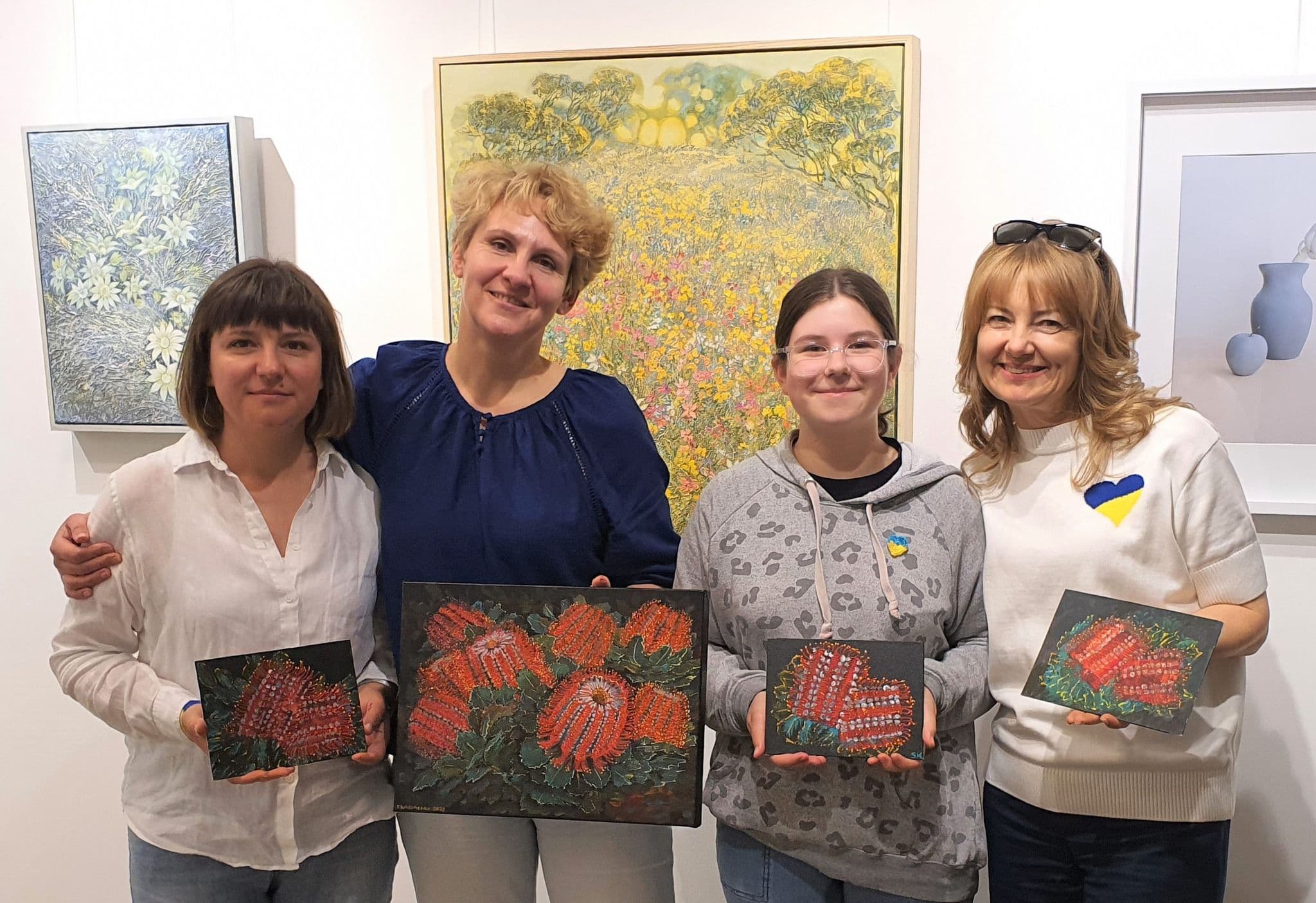
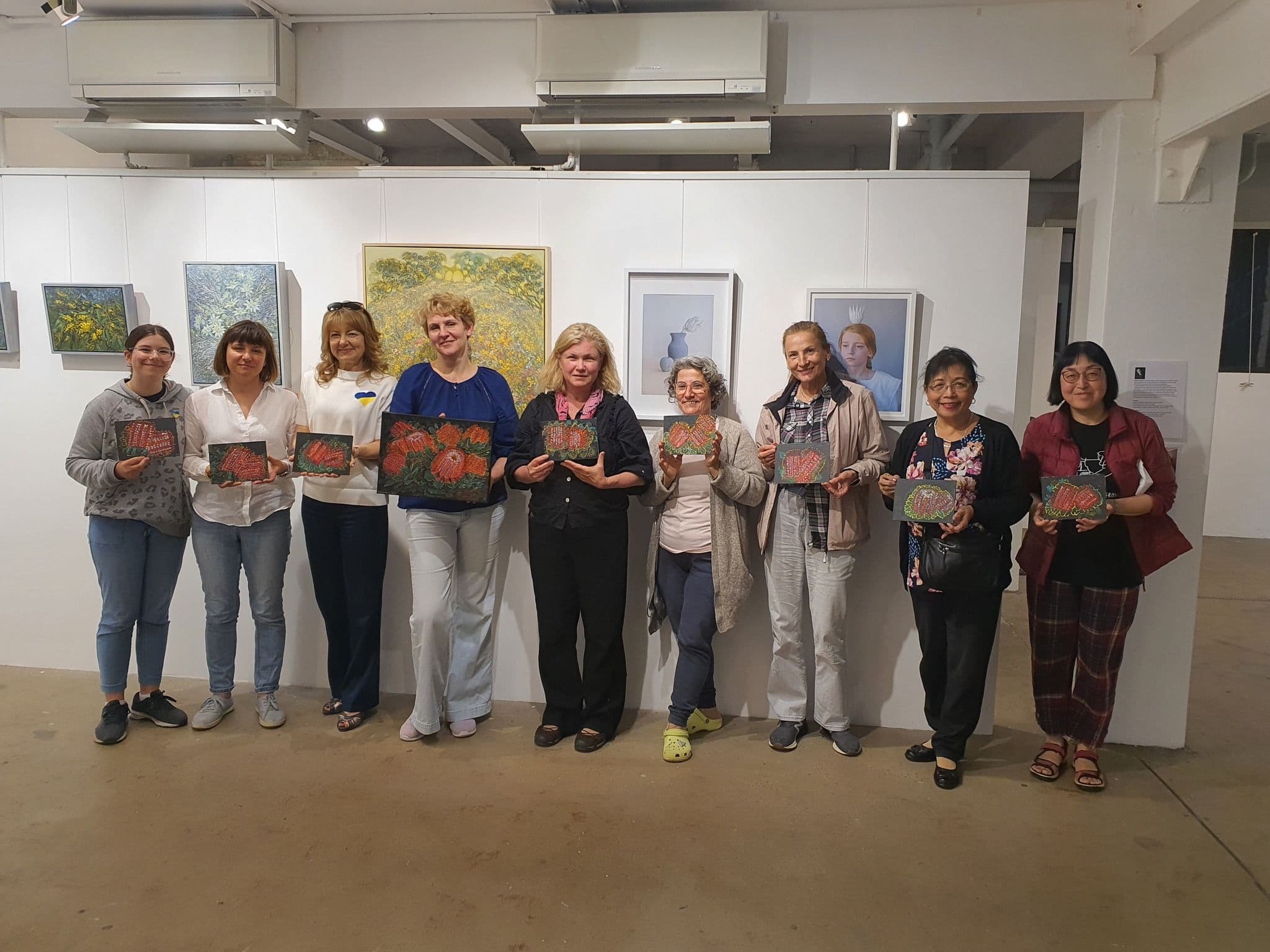
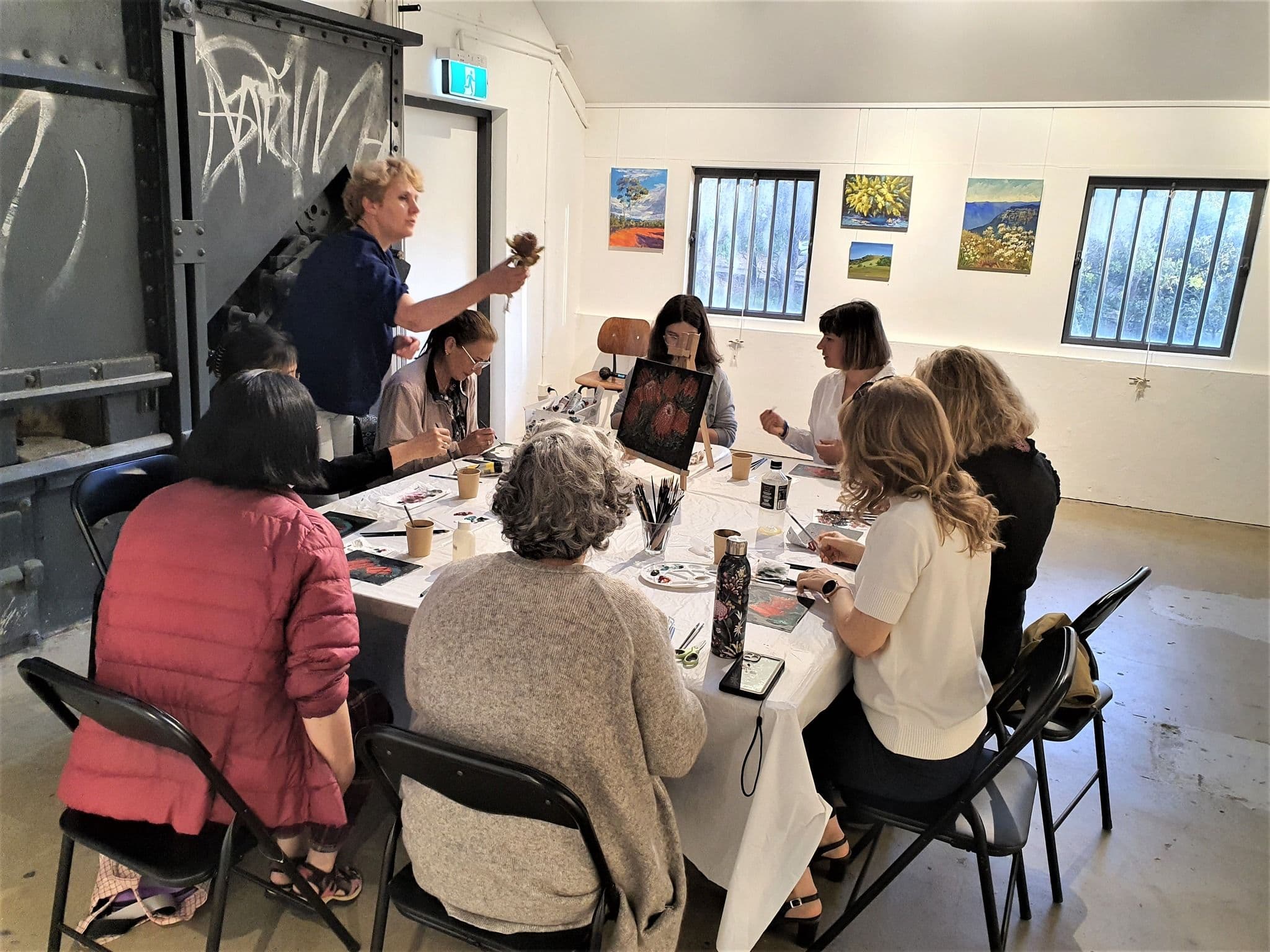
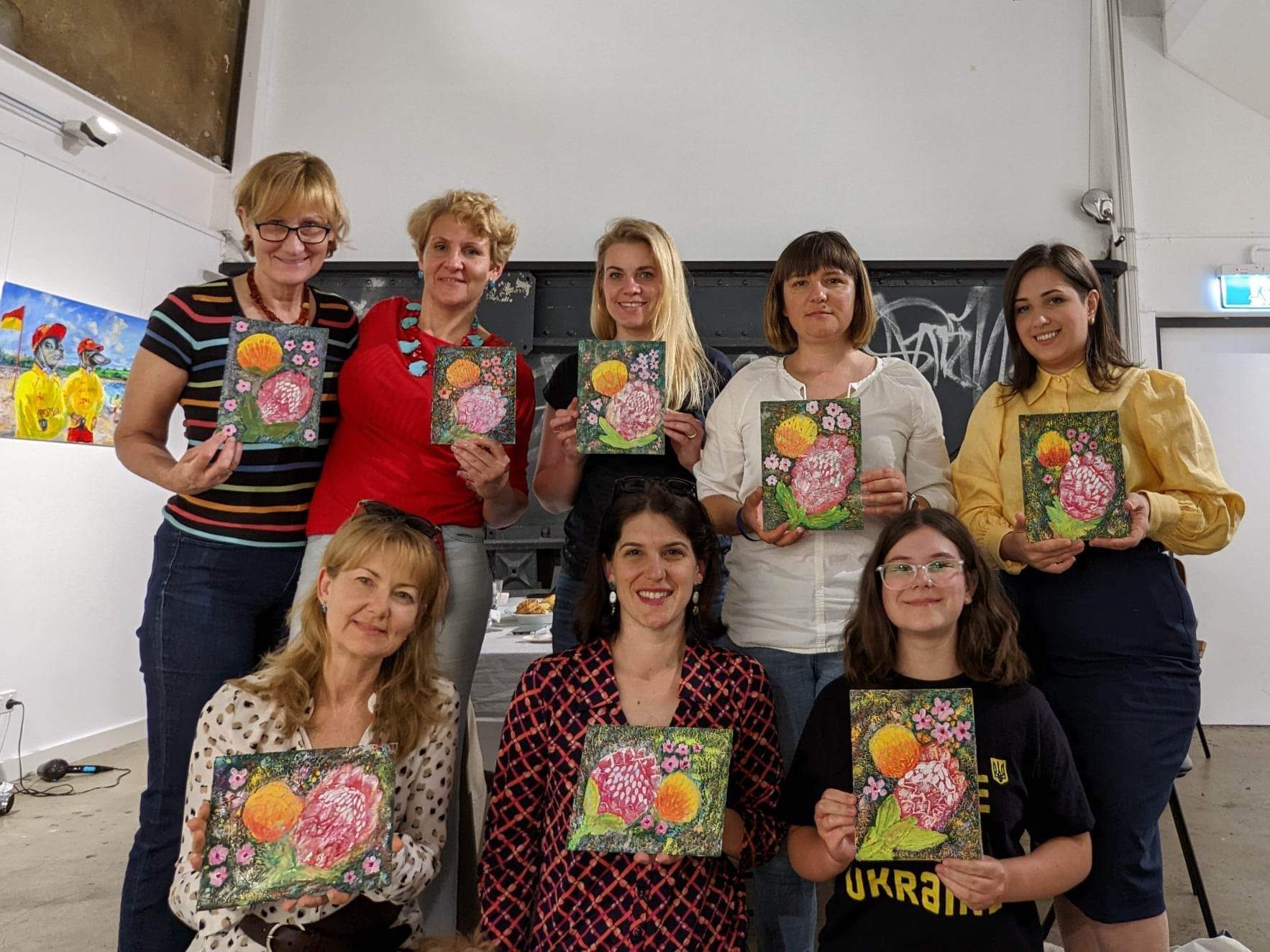
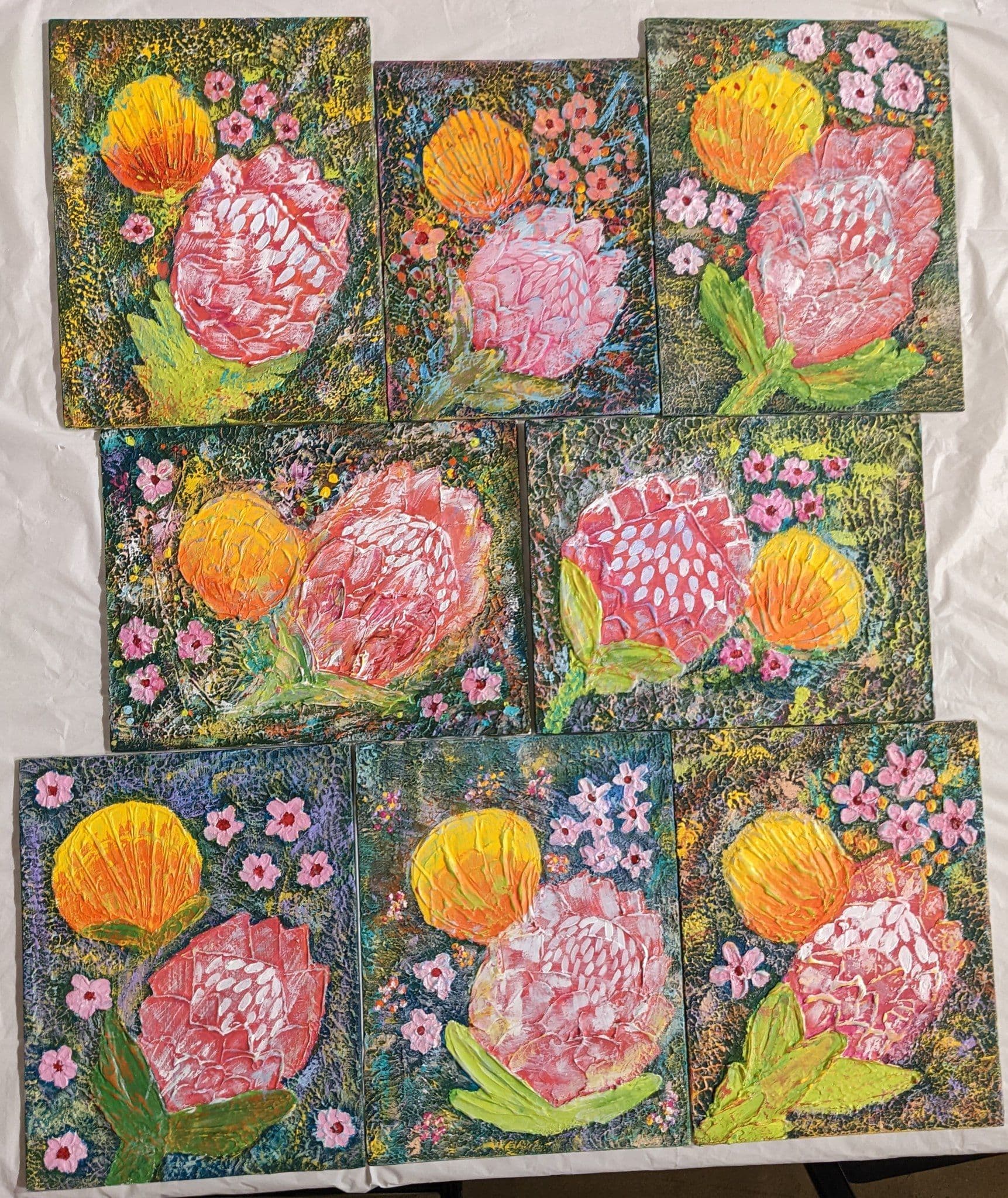
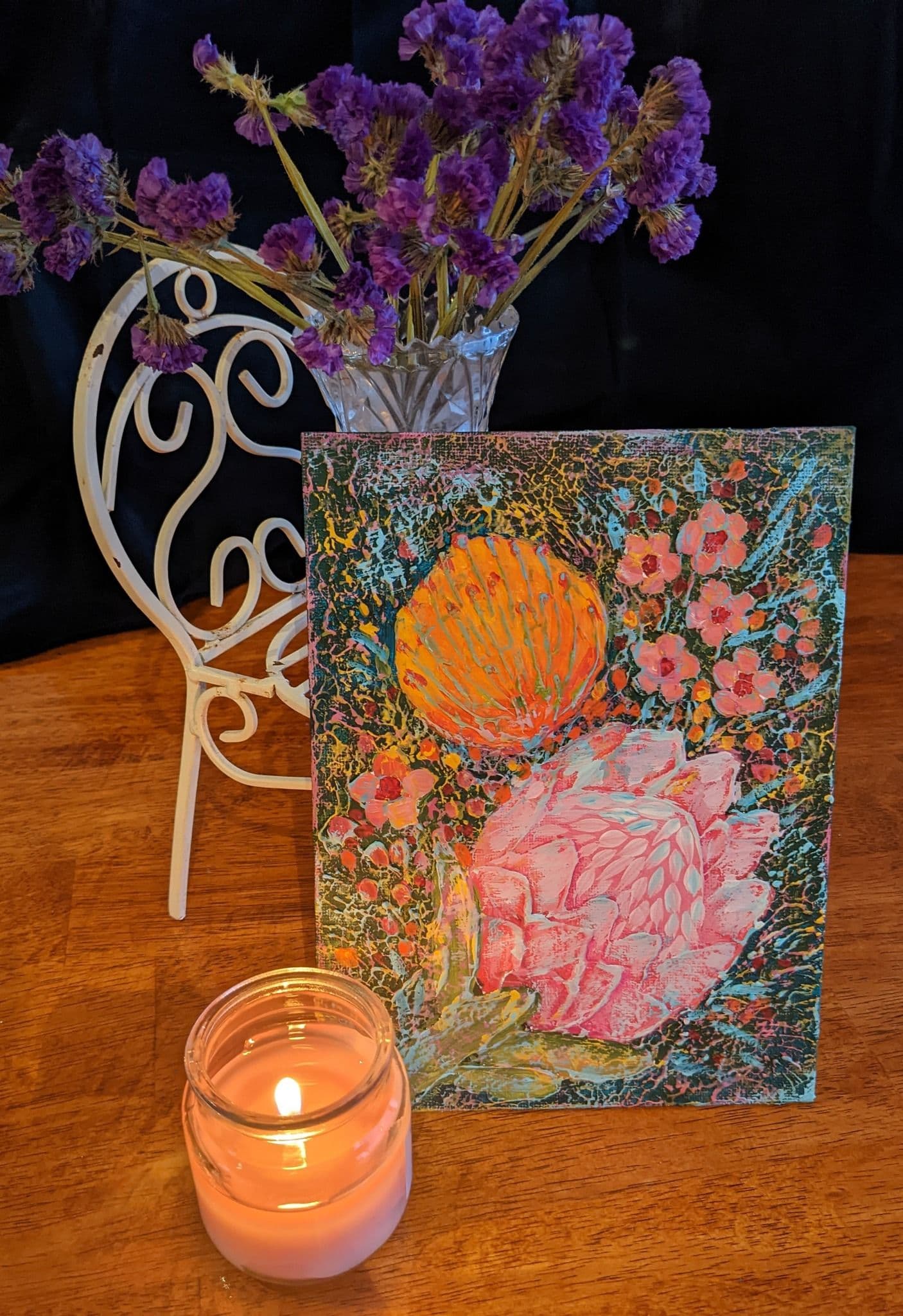
There is a particular kind of magic in creating art surrounded by so many artworks. Working within the exhibition space was deeply inspiring, and behind us you could glimpse True Blue & a Little Bit of Yellow — AUSTRALIANA unfolding around the workshops. I am immensely proud of everyone who took part in the painting workshops during the Australiana exhibition. Scarlett banksia bloomed in every artwork, each one different, each one full of care and attention.
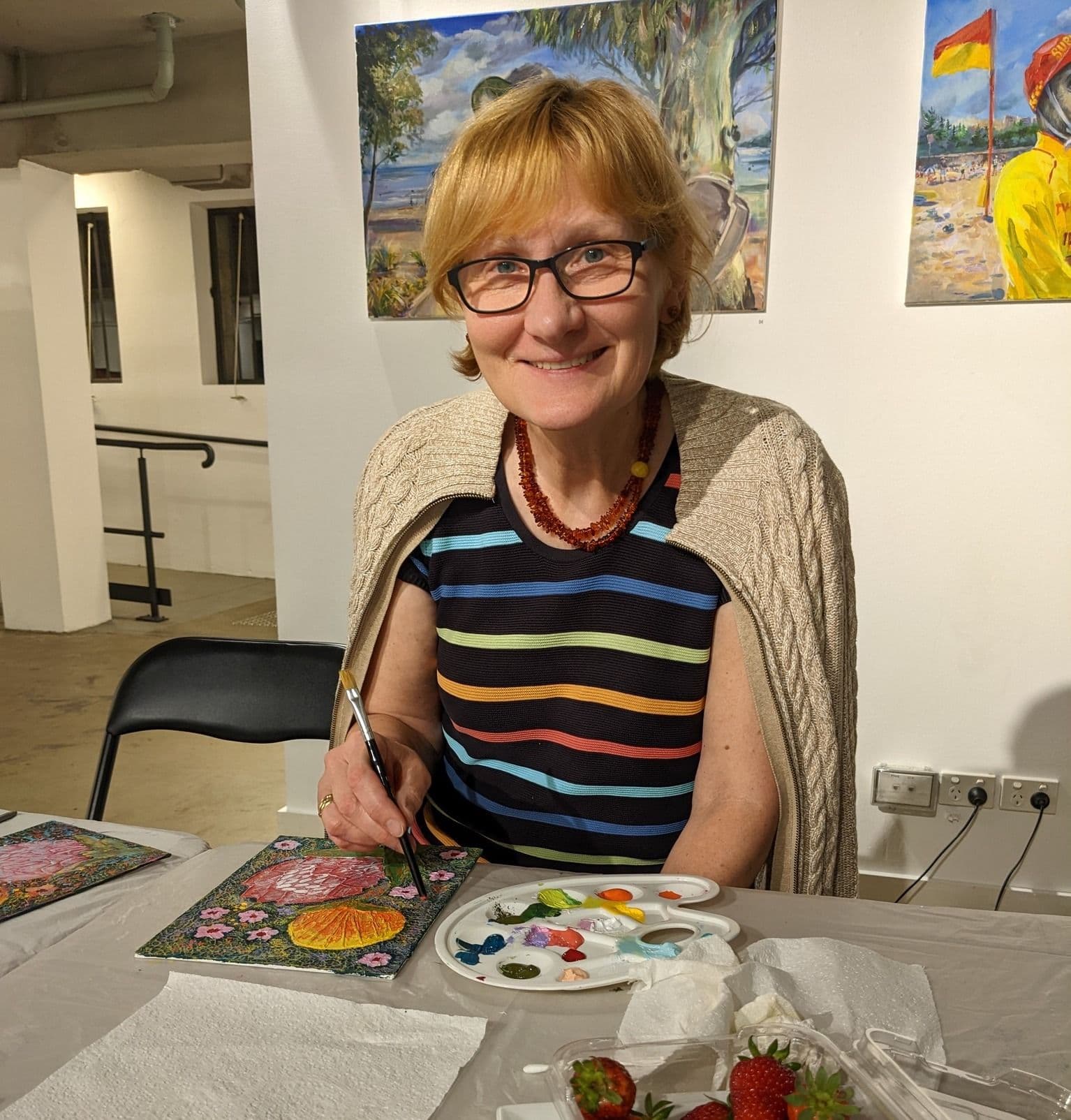
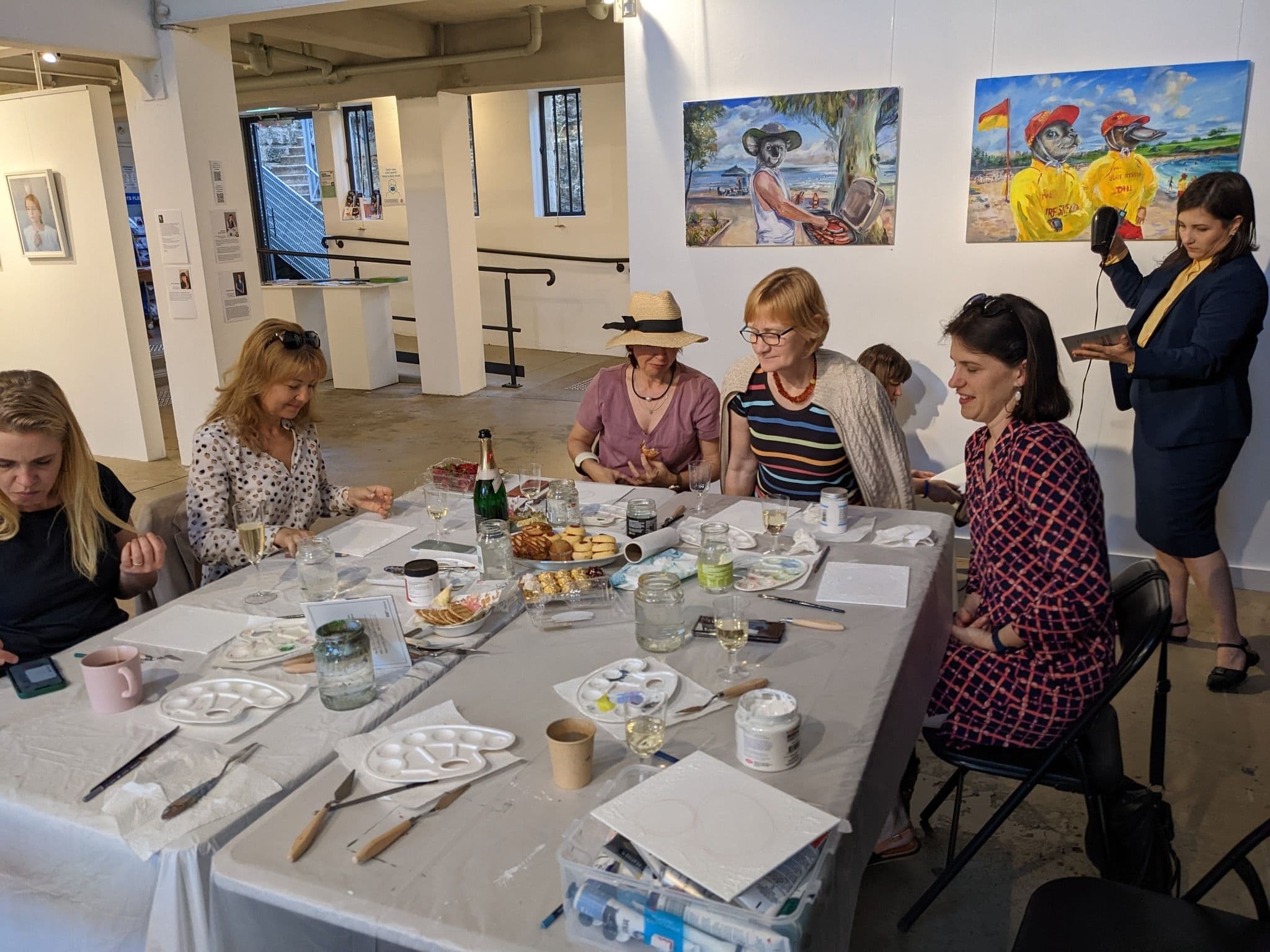
The second workshop focused on native flowers, and the results were so strong that it became hard to tell which work was mine and which belonged to the participants. That level of engagement and confidence is something truly special.
People often ask how to cope with stress, how to live with worry, how not to feel overwhelmed by the news from Ukraine. My answer is simple: respond in the way you can, and stay connected. Art, shared time, and human presence matter.
Thank you to everyone who came to support, create, and be present. I hope these workshops brought moments of light and positive energy. We choose to live fully, to stay strong, stay together, and find joy in art and friendship — despite everything.
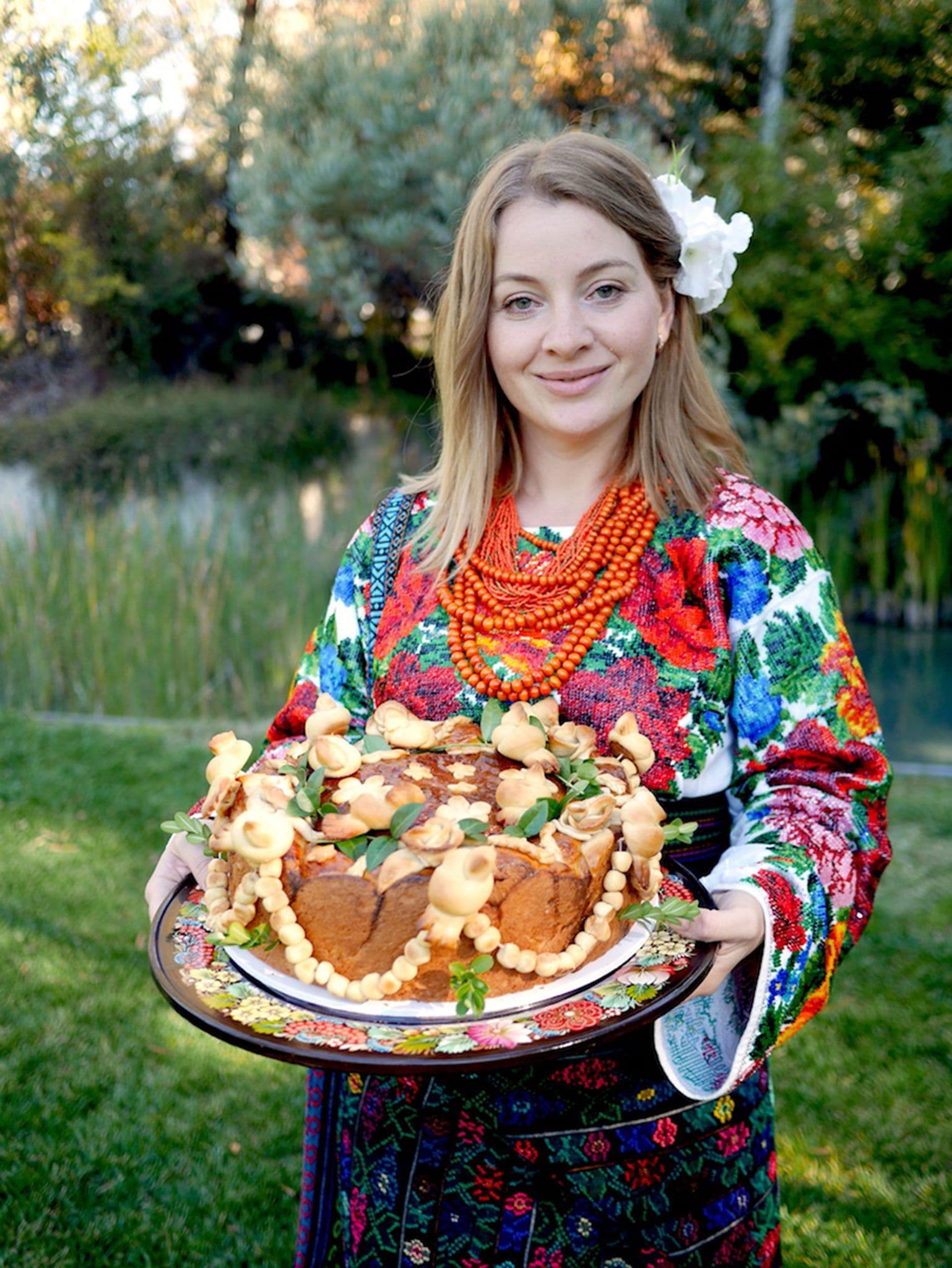
Cultural Production at Scale: Behind the Scenes of Diplomatic Performances. Large-scale cultural productions rely on careful planning, close collaboration, and deep respect for historical detail. The costume performance at the National Gallery of Australia, Canberra, in 2019 was the most complex project of this kind that I coordinated. It was created for the Embassy of Ukraine and the Ukrainian Women’s Association, and held in honour of the late Christine (Hrystyna) Syvenkyj-Bailey, whose lifelong dedication to Ukrainian cultural heritage continues to resonate deeply. The project required working across multiple teams and private collections to deliver a unified and meaningful performance for a diplomatic audience. For this event, I coordinated 29 models and 17 private collectors, alongside multiple cultural organisations and contributors, bringing together diverse elements into a single coherent presentation. Every detail — from costume construction to the order of presentation — was carefully curated to communicate a clear cultural narrative. My responsibilities spanned curatorial decision-making, logistical coordination, visual design, and narrative development, ensuring that each component supported the overall experience. An earlier performance in 2018, initiated by Christine Syvenkyj-Bailey, was created primarily on the basis of her personal collection. My role focused on shaping the presentation, coordinating contributors, and translating the collection into a clear and engaging public performance. Creating region-appropriate floral head wreaths and jewellery for such a large number of models was particularly challenging, both creatively and logistically. Managing the transport, handling, and return of numerous historical and handmade items required precision and care, but the process was completed successfully without loss or damage. Following the event, I designed a commemorative calendar featuring photographs taken during the performance by Tetiana Matsypura, extending the life of the project beyond the event itself.
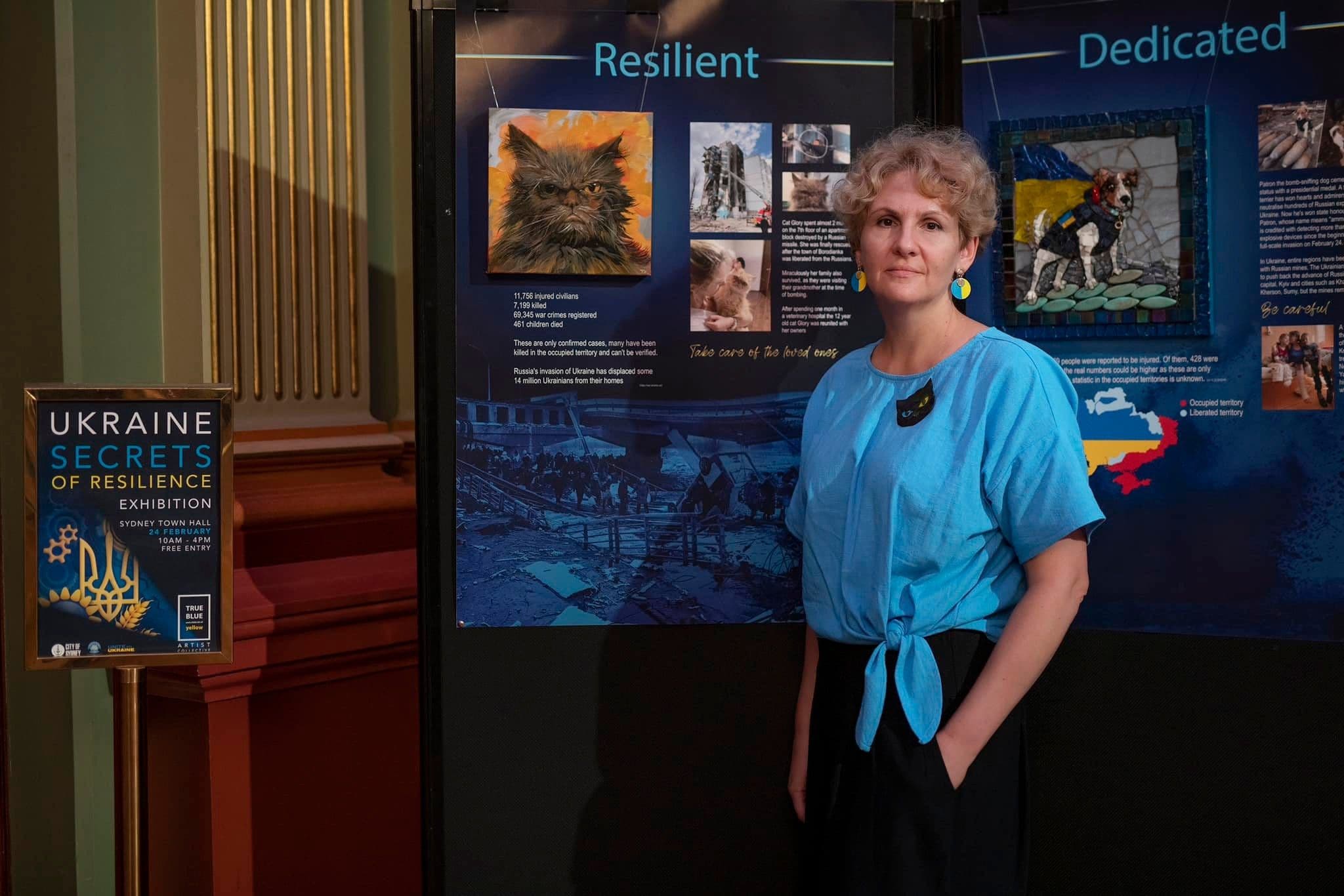
Ukraine: Secrets of Resilience was an exhibition by True Blue & a Little Bit of Yellow, presented at Sydney Town Hall to mark one year since the start of the full-scale Russian invasion of Ukraine. I wanted to find a way to help people in Australia understand what war is — not in abstract terms, but through human experience. That idea became Secrets of Resilience. I went through a year of devastating news and personal testimonies, selecting stories that resonated most deeply and spoke about survival, loss, strength, and endurance. From these stories, I created a series of posters combining documentary photographs, written accounts, and artworks — my own and those of fellow artists — alongside real objects carrying personal and symbolic meaning. Each element was chosen carefully, so the exhibition could be read, felt, and experienced rather than simply viewed. Working through so much human pain was emotionally demanding. Revisiting these stories left a lasting mark, but I believe the process was necessary. The exhibition allowed many visitors to imagine themselves in a place of conflict and offered a glimpse into how people continue to live, endure, and remain human under unimaginable circumstances. It was not an easy exhibition — but it was an important one.