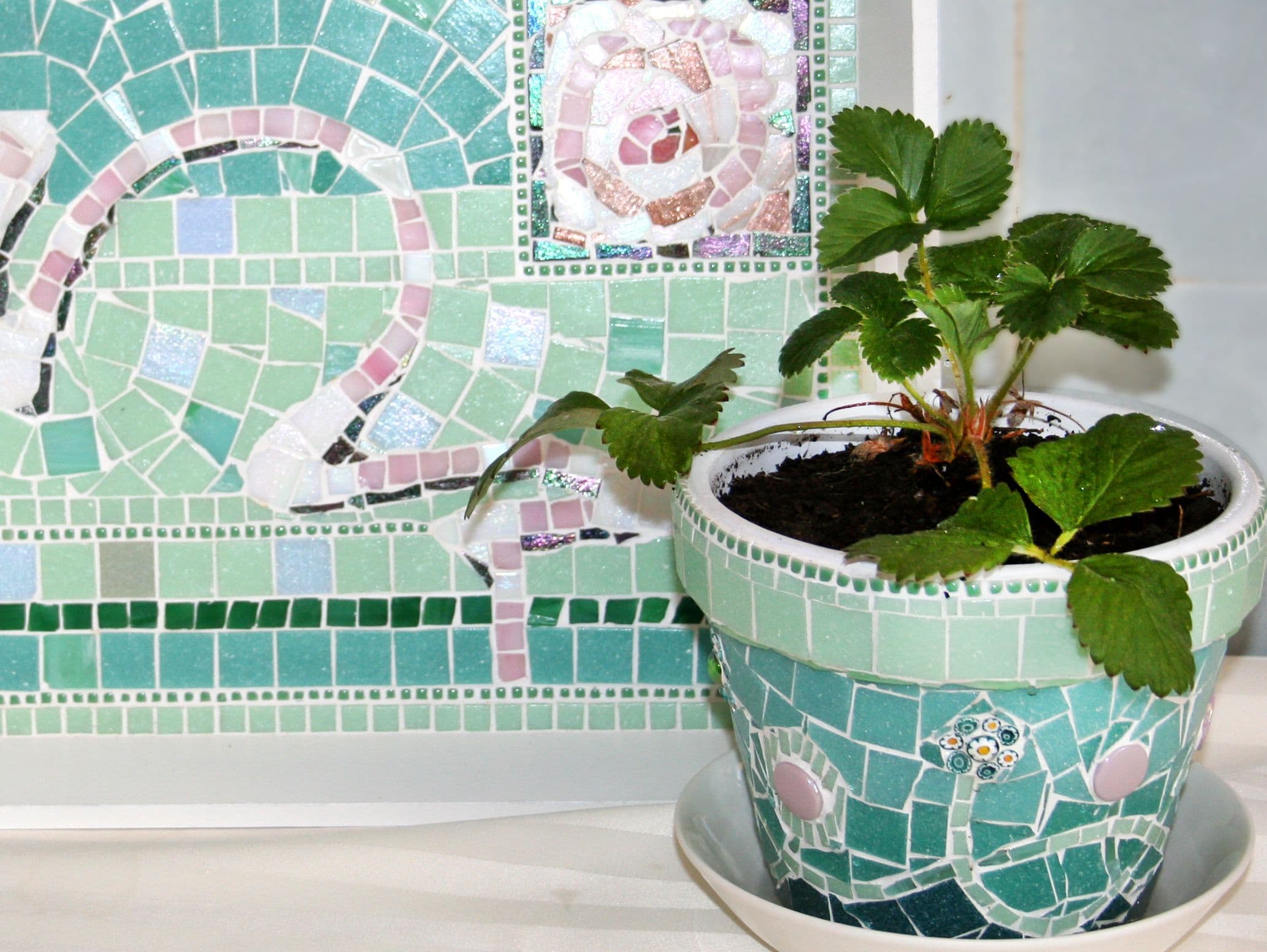
Mosaic has always fascinated me for its quiet complexity. There is something magical in planning to deconstruct a design into small pieces, only to assemble it again into a new whole. Each fragment carries its own presence, yet only truly comes alive in relationship to the others.
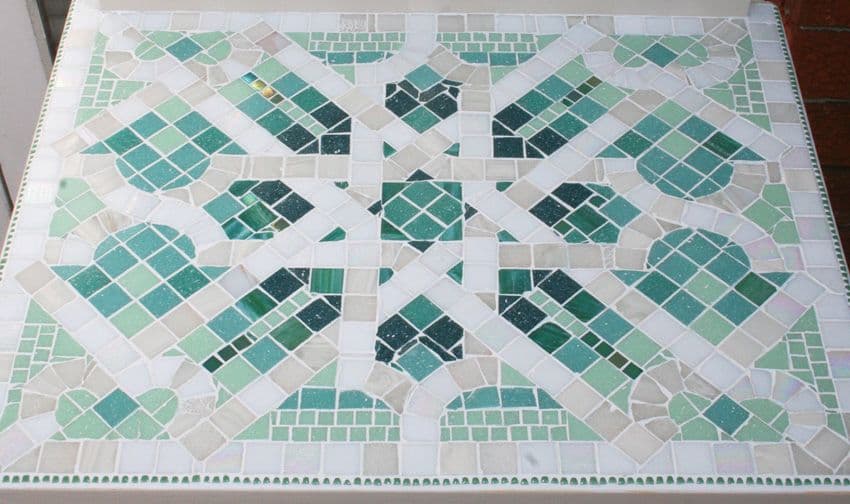
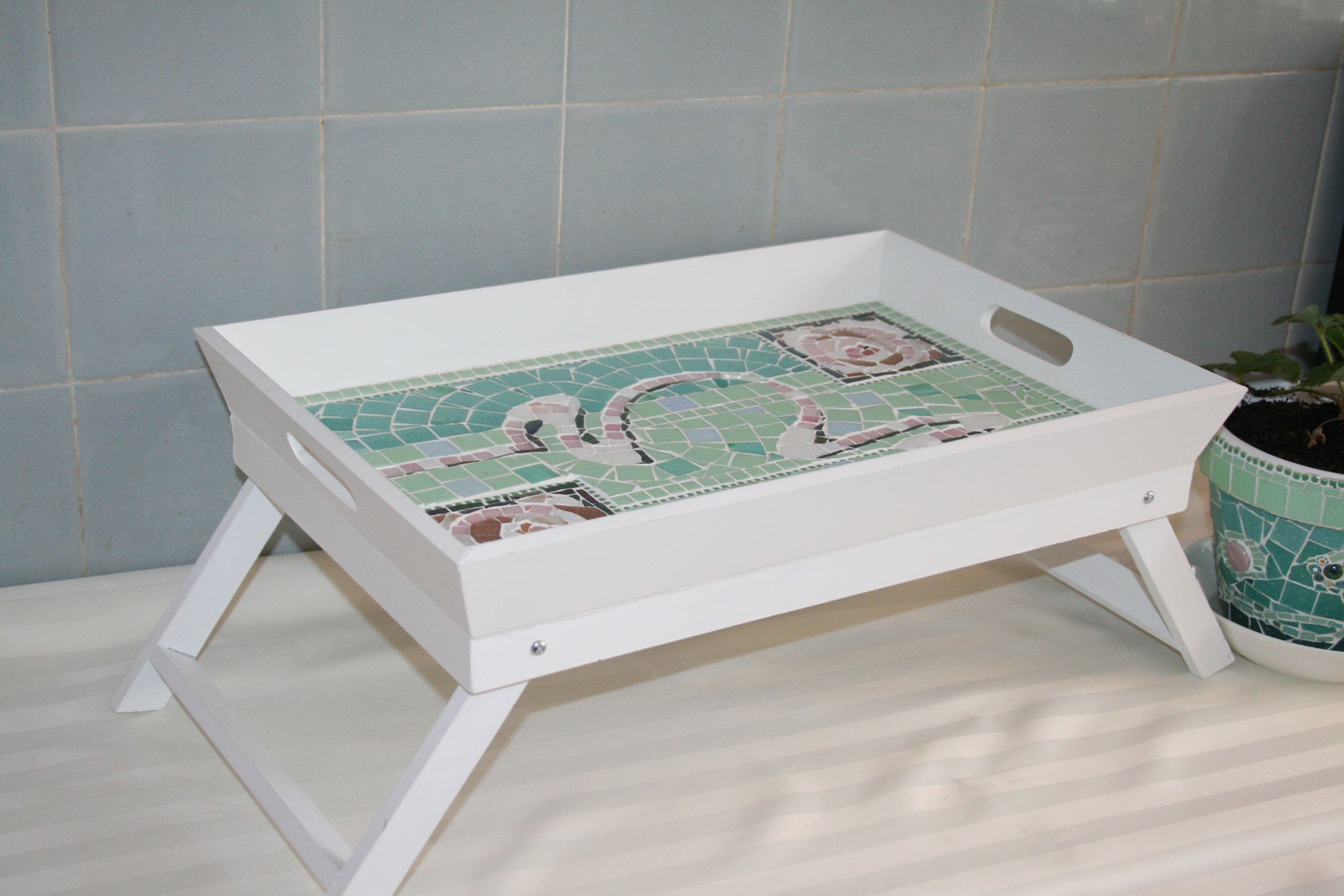
Our eye moves naturally along the lines between the pieces, enjoying the rhythm of separation as much as the image they form together. We see the individual elements, the design they create collectively, and the spaces in between — all at once. That simultaneous experience is what makes mosaic so compelling to me: multifaceted, layered, and endlessly engaging.
Beyond its visual richness, mosaic surfaces are also wonderfully practical. They are not afraid of a hot cup, a wet glass, a scratch, or a spill. This combination of beauty and durability is what makes mosaic especially appealing to me — art that can be lived with, touched, and used every day.
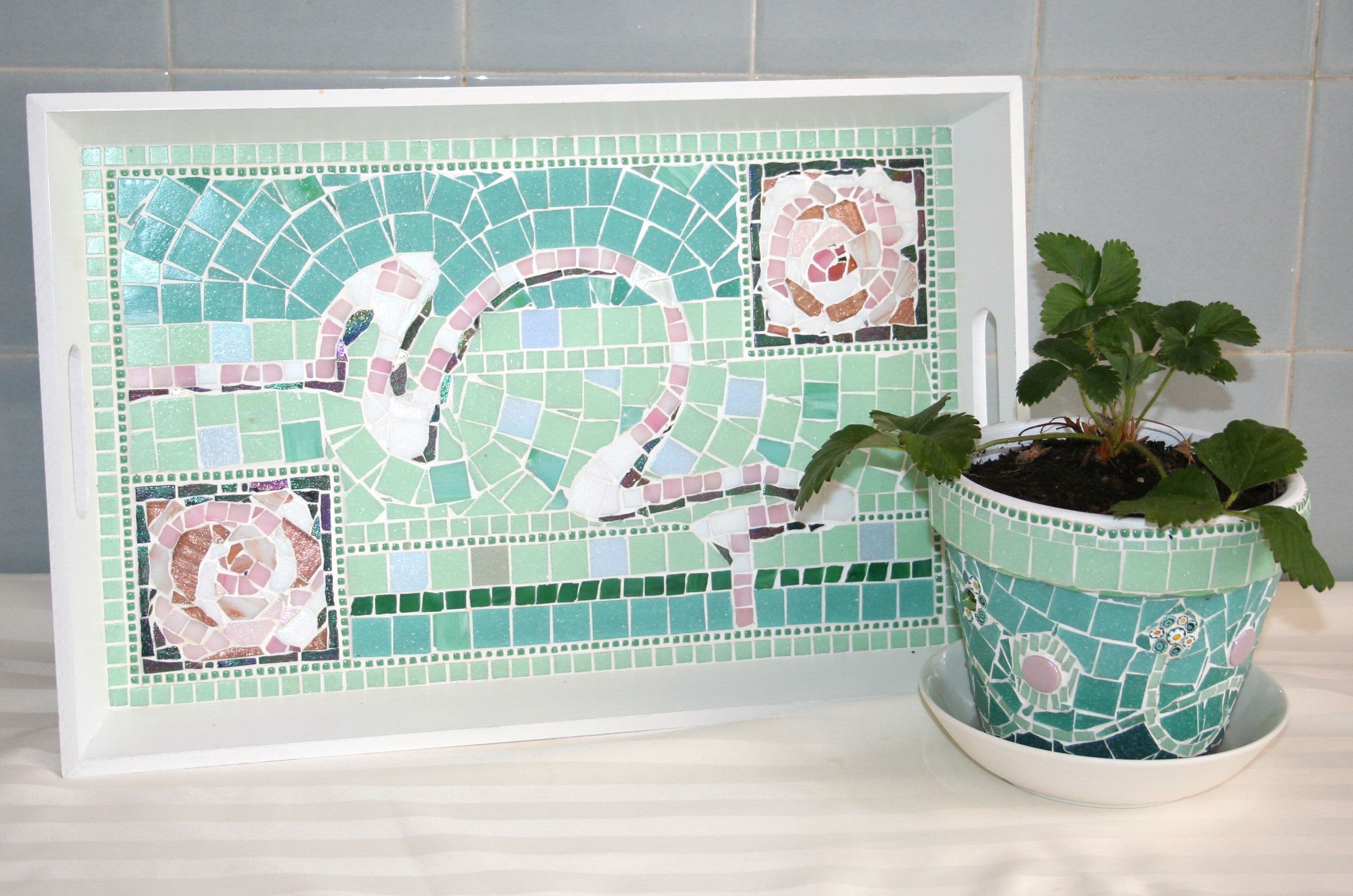
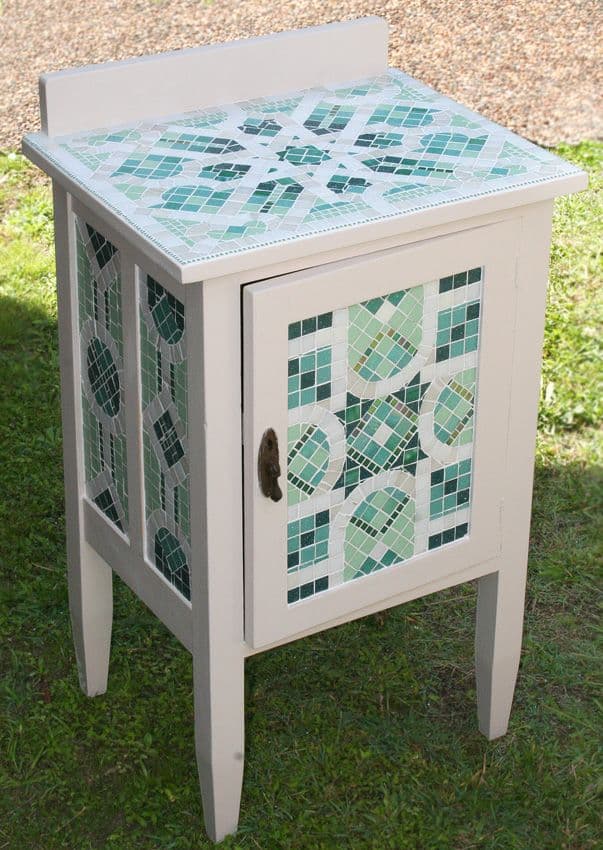
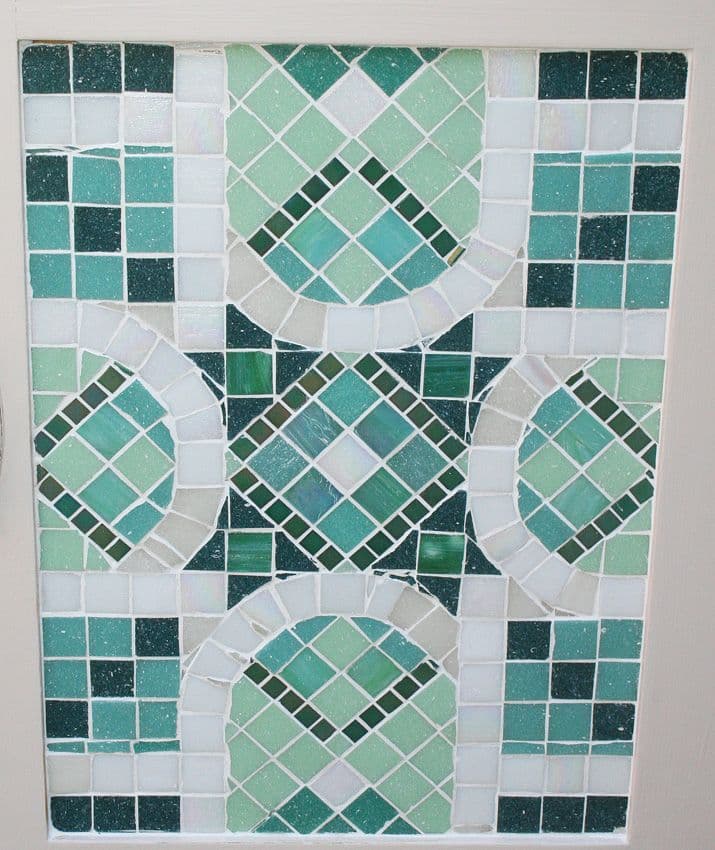
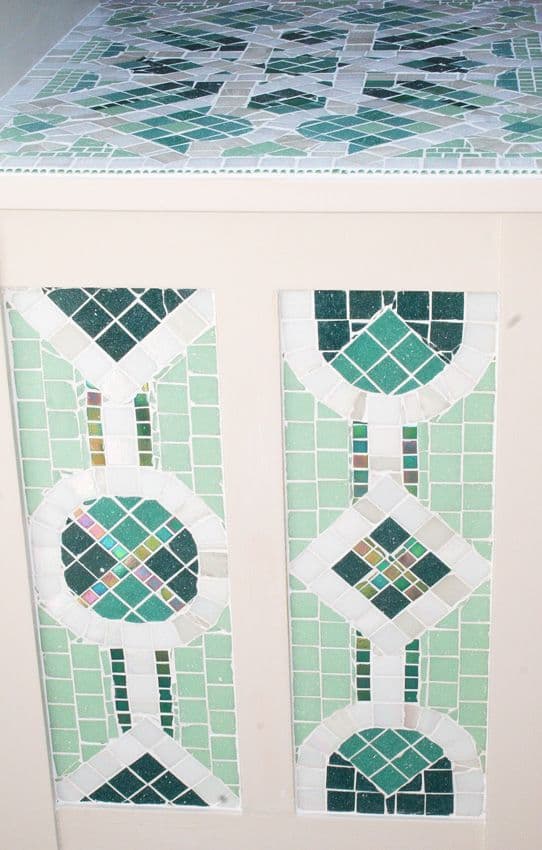
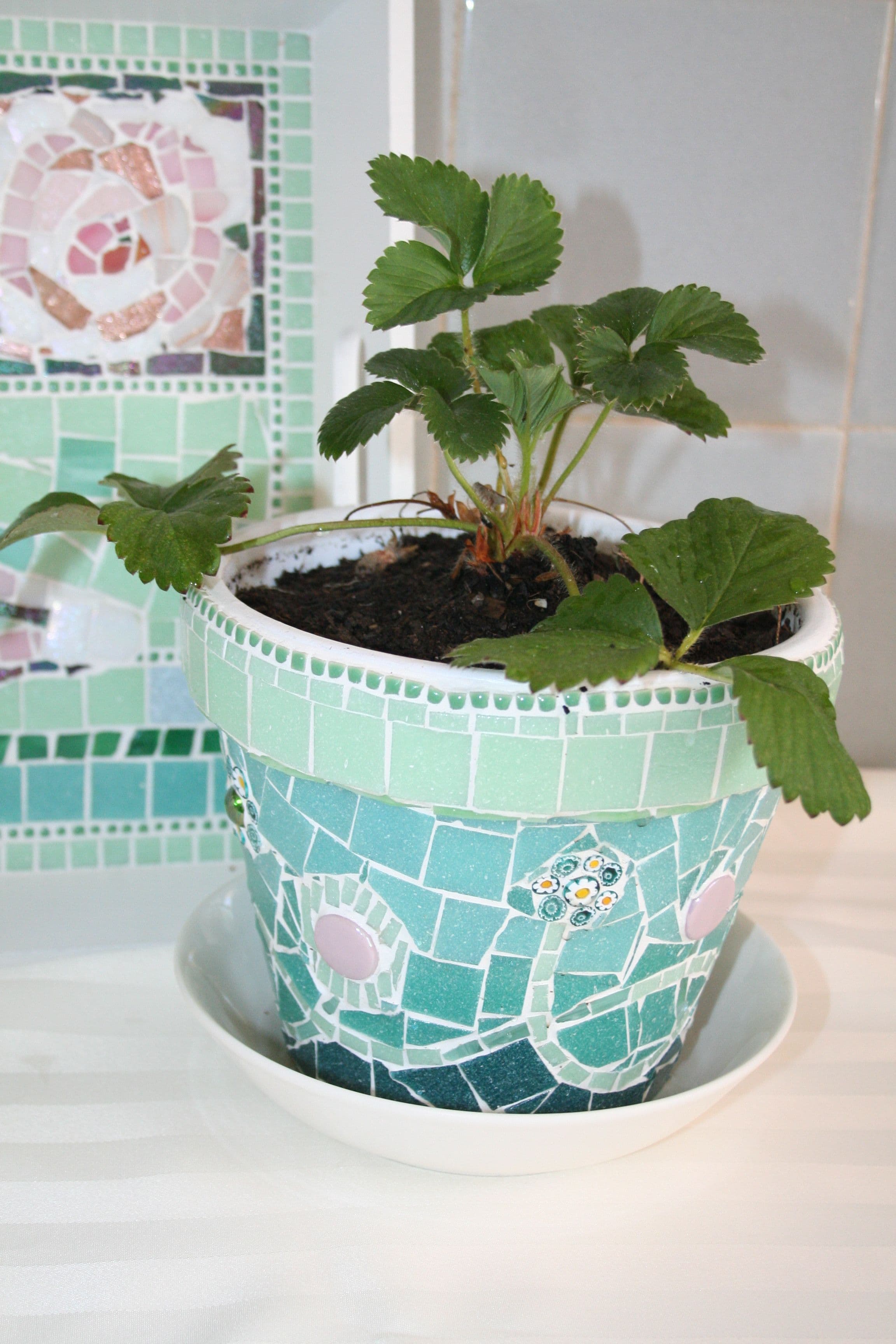
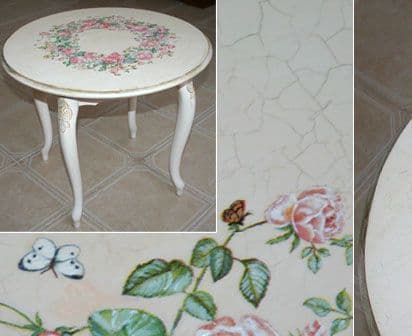
Furniture Decoration — Art You Can Live With. Working with furniture brings me a particular kind of joy. Three-dimensional objects are experienced from all sides, revealing a different picture as you move around them. There is something deeply satisfying about applying art to forms that are not only observed, but used and lived with every day. Chairs, tables, cabinets, and screens become surfaces where colour, texture, and form extend beyond the wall. Decorated furniture has the power to anchor a room. It can become a focal point, decisively unify a colour palette, or bring cohesion to an interior style. When art moves into functional objects, it becomes part of daily rituals, adding character and warmth to everyday moments. The process becomes even more meaningful when an old piece is given a second life. Repairing, recolouring, redesigning, reimagining, and reusing transforms something forgotten into something personal and renewed. Furniture decoration is, for me, a way of combining creativity with care — honouring what already exists while shaping it into something fresh, purposeful, and full of story.
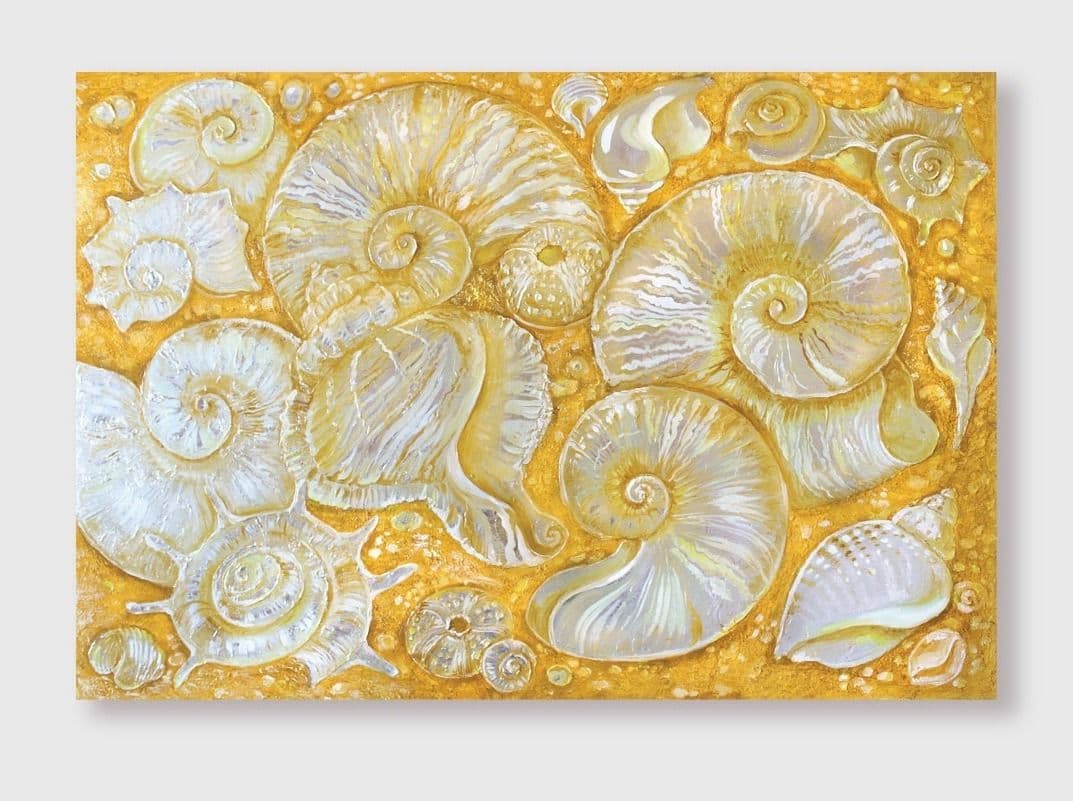
True Blue & a Little Bit of Yellow, in collaboration with CBD Gallery, presented a fundraising exhibition in the heart of Sydney titled A Love Letter to the Ocean. Created by five artists of Ukrainian heritage, the exhibition was dedicated to the water element and to a shared love of the ocean. Working across different styles and mediums — from ancient techniques and classicism to impressionism, divisionism, and fine art photography — the artists invited viewers to dive into blue, touched gently with yellow. We extend our sincere gratitude to Xiaoxiao Zhang for her invaluable support in providing CBD Gallery as the venue for this fundraiser, and for her continued support of Ukraine. The exhibition was held at CBD Gallery, Sydney, from 6–19 October 2023