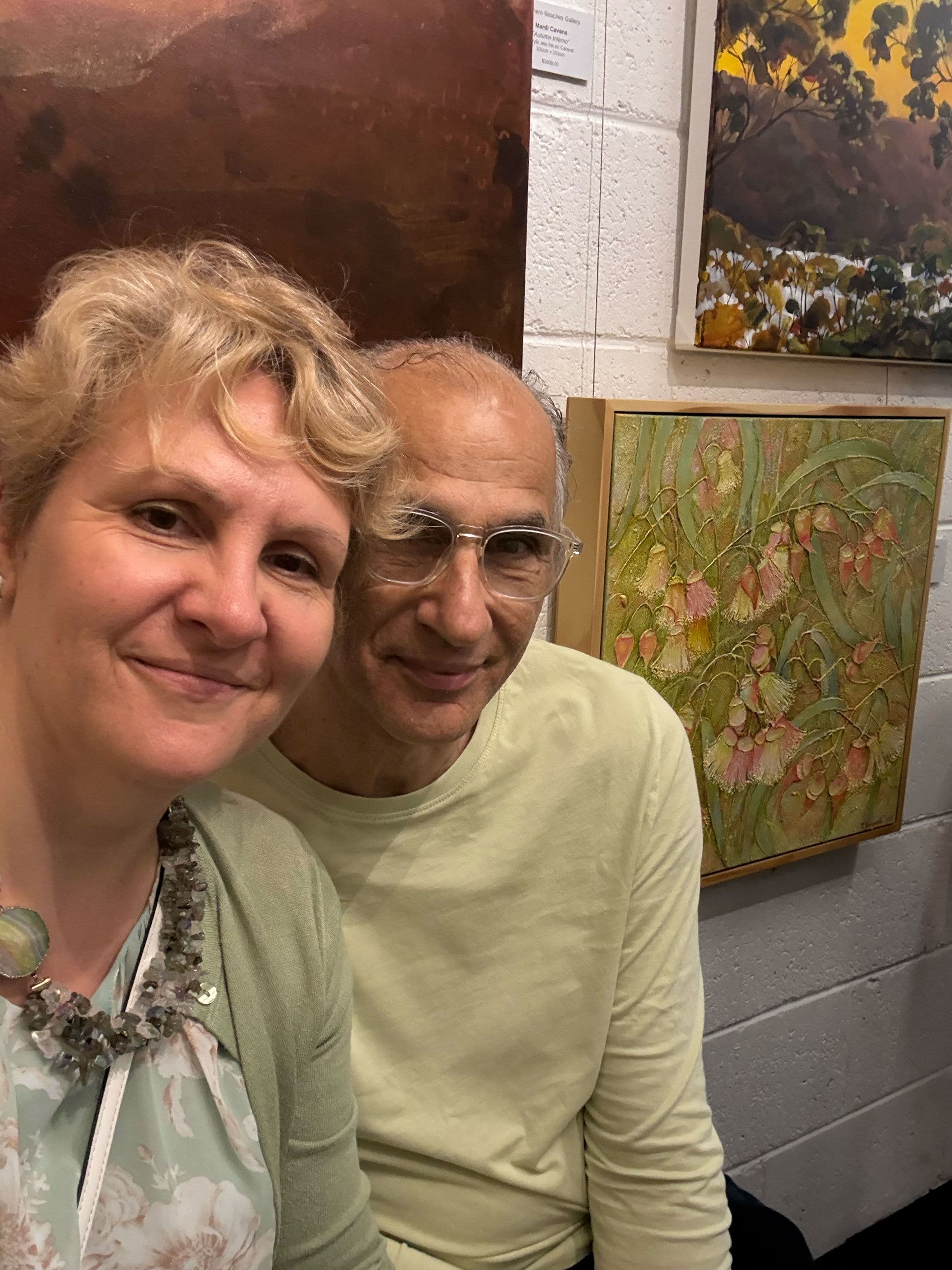
Over the past months, I’ve been honoured to be selected as a finalist in several exhibitions across Australia. Being part of the evolving art mosaic in Sydney and beyond is something I truly value.
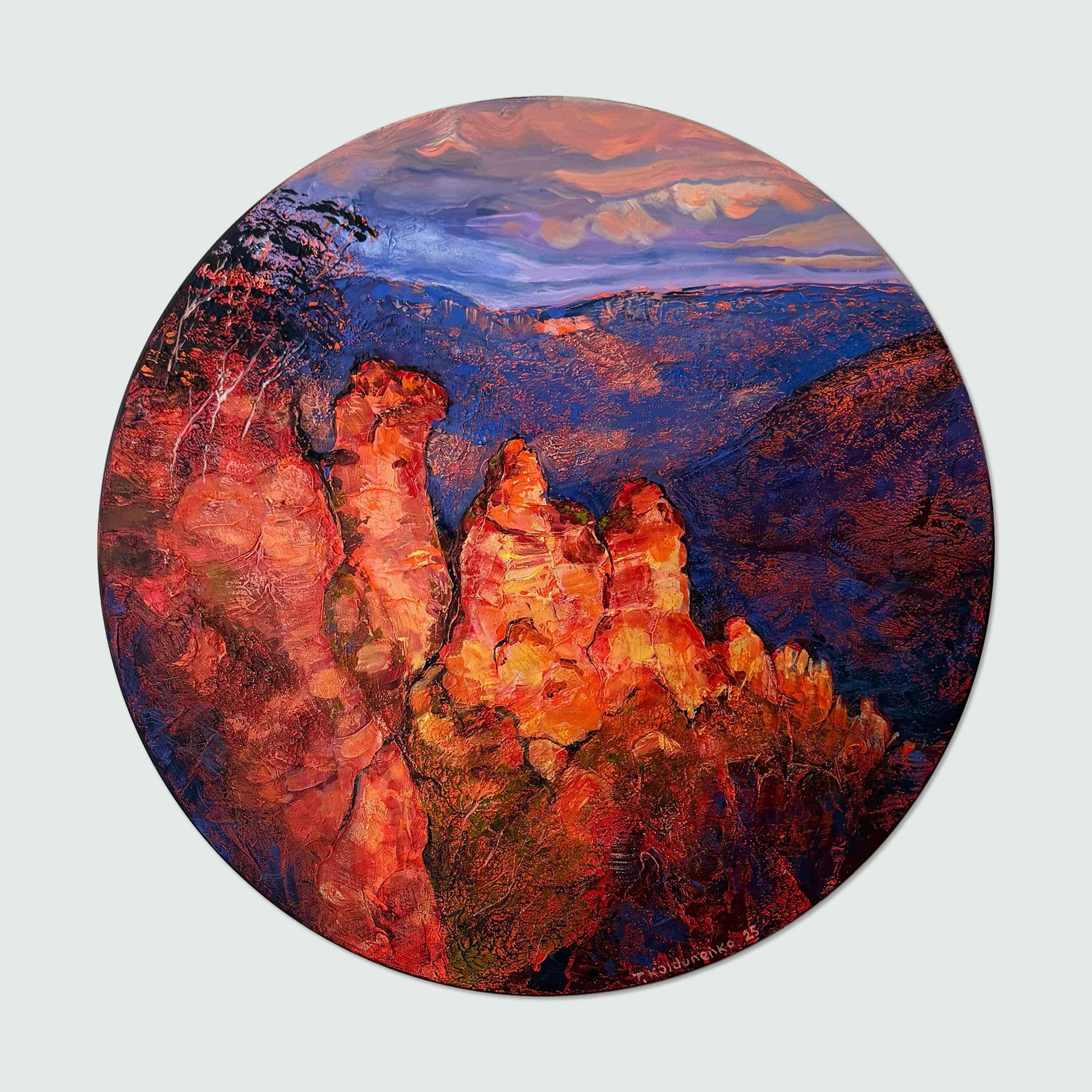
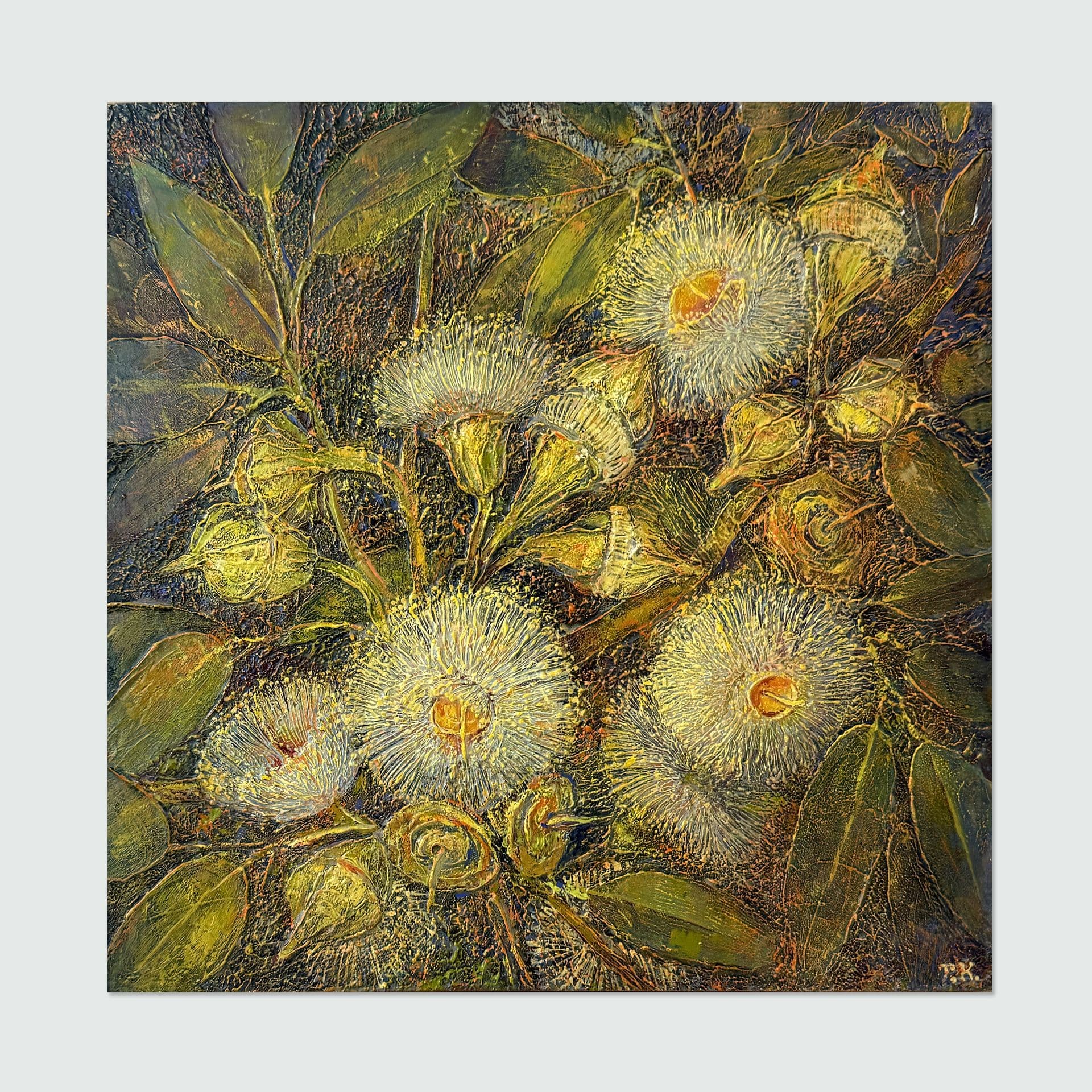
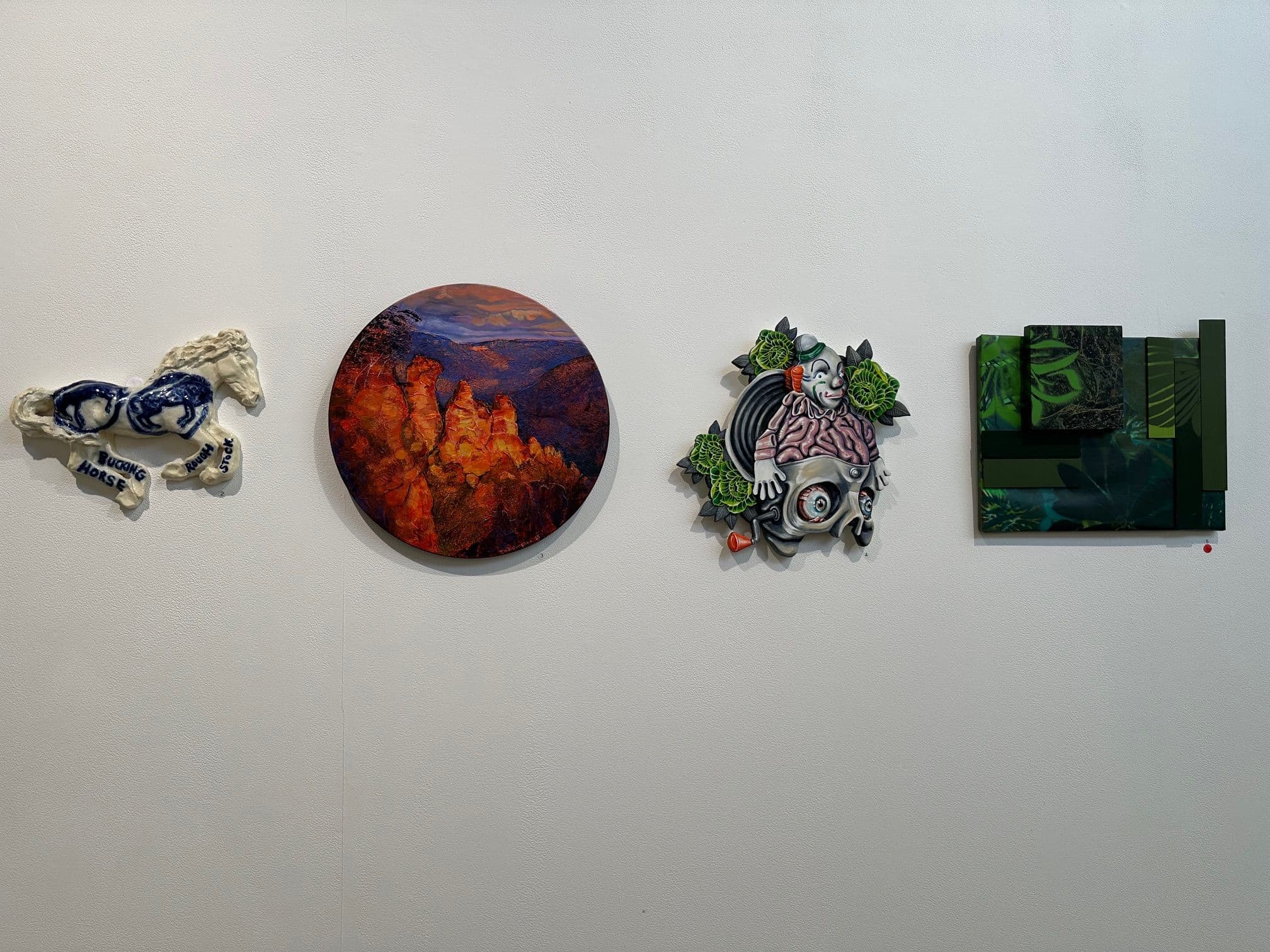
In October, my work was shown at Gallery 11:11, followed by Bridges to Belonging in Adelaide in November — an exhibition that explored connection, identity, and shared stories.
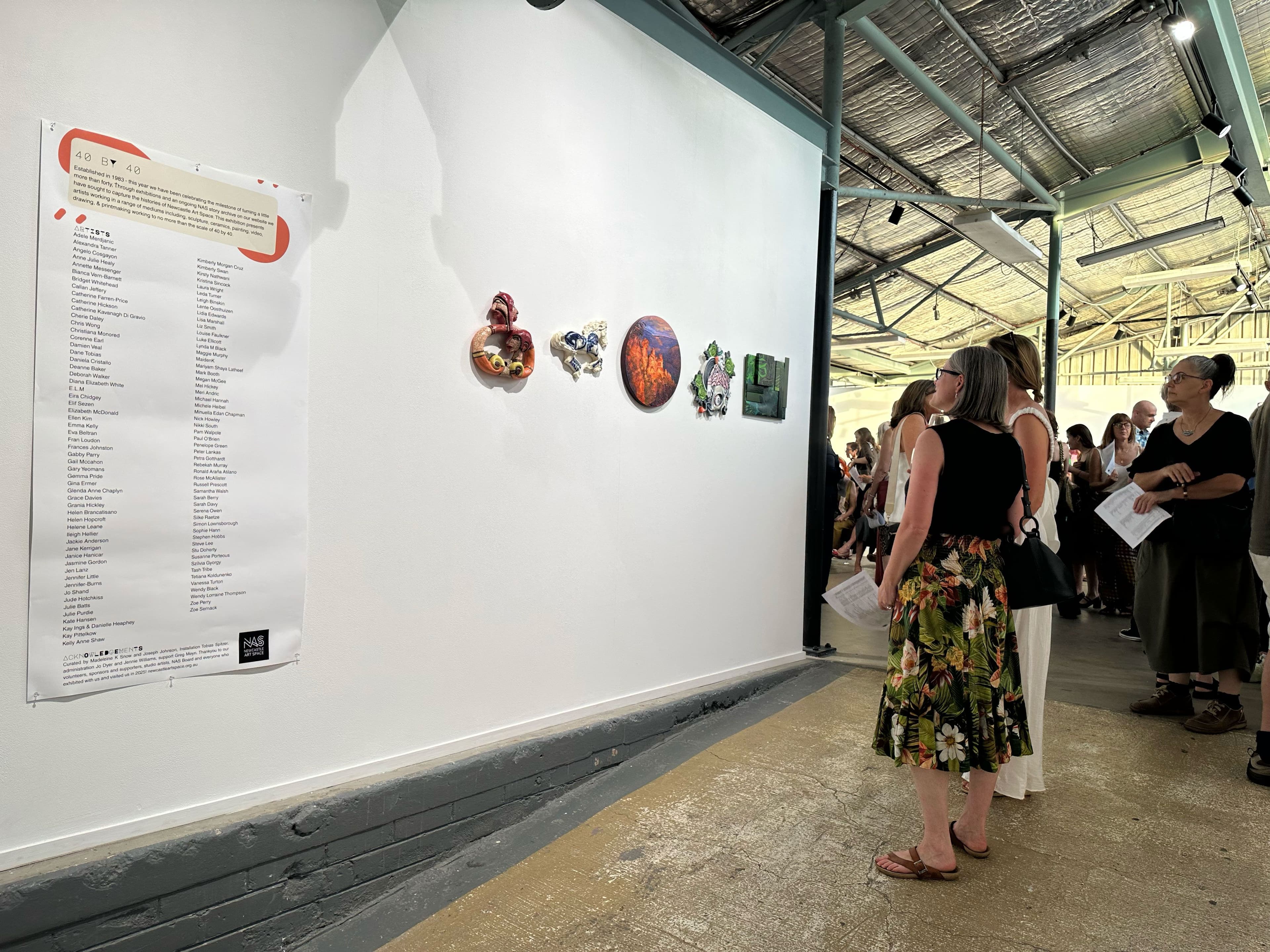
December brought another exciting milestone: I was delighted to be a finalist in the 40 by 40 Exhibition at Newcastle Art Space 🎉
This exhibition celebrates over forty years of a vibrant creative community and showcases artworks measuring 40 × 40 cm — a reminder that great art can come in small packages. The exhibition ran in early December 2025.
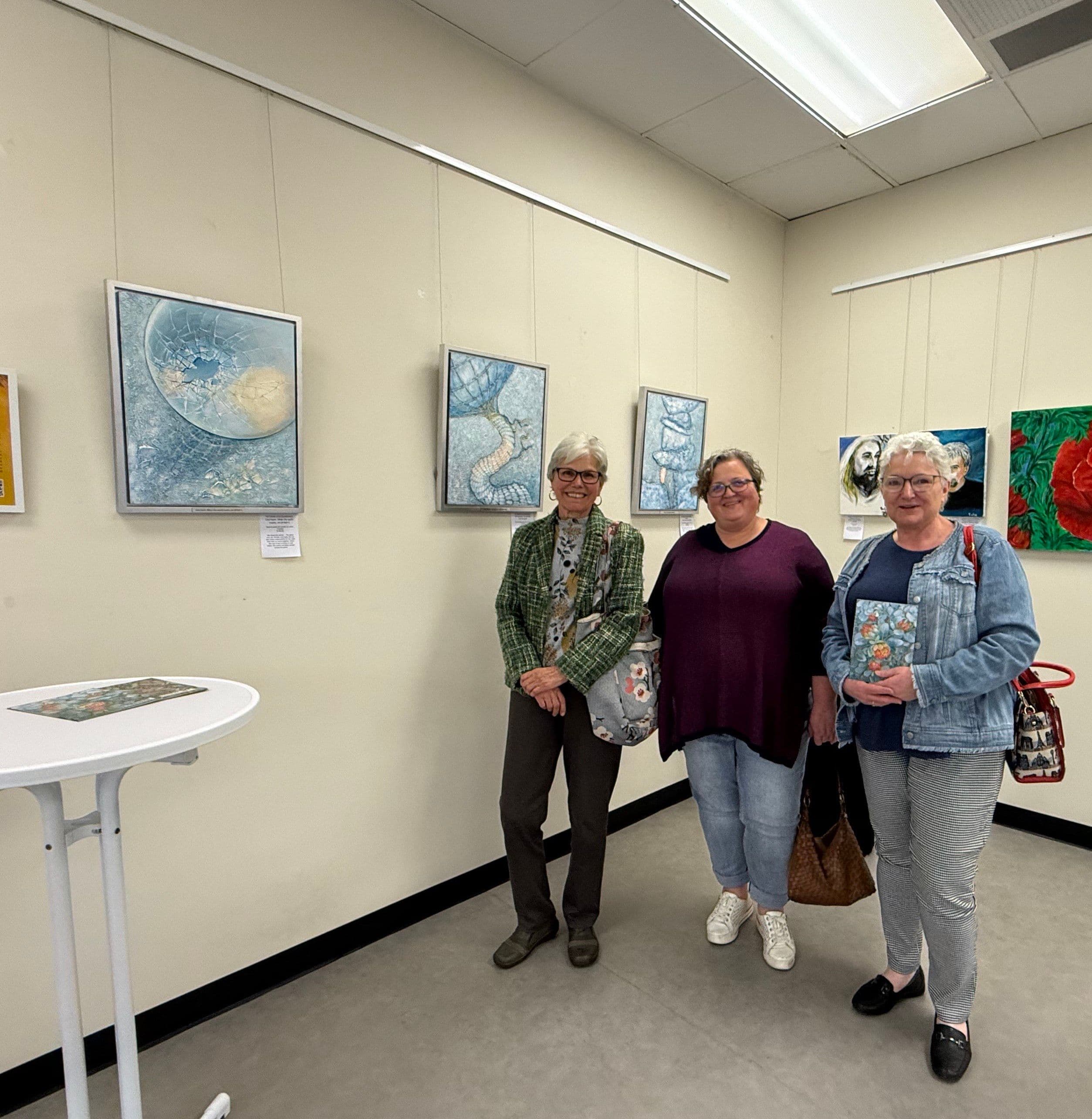
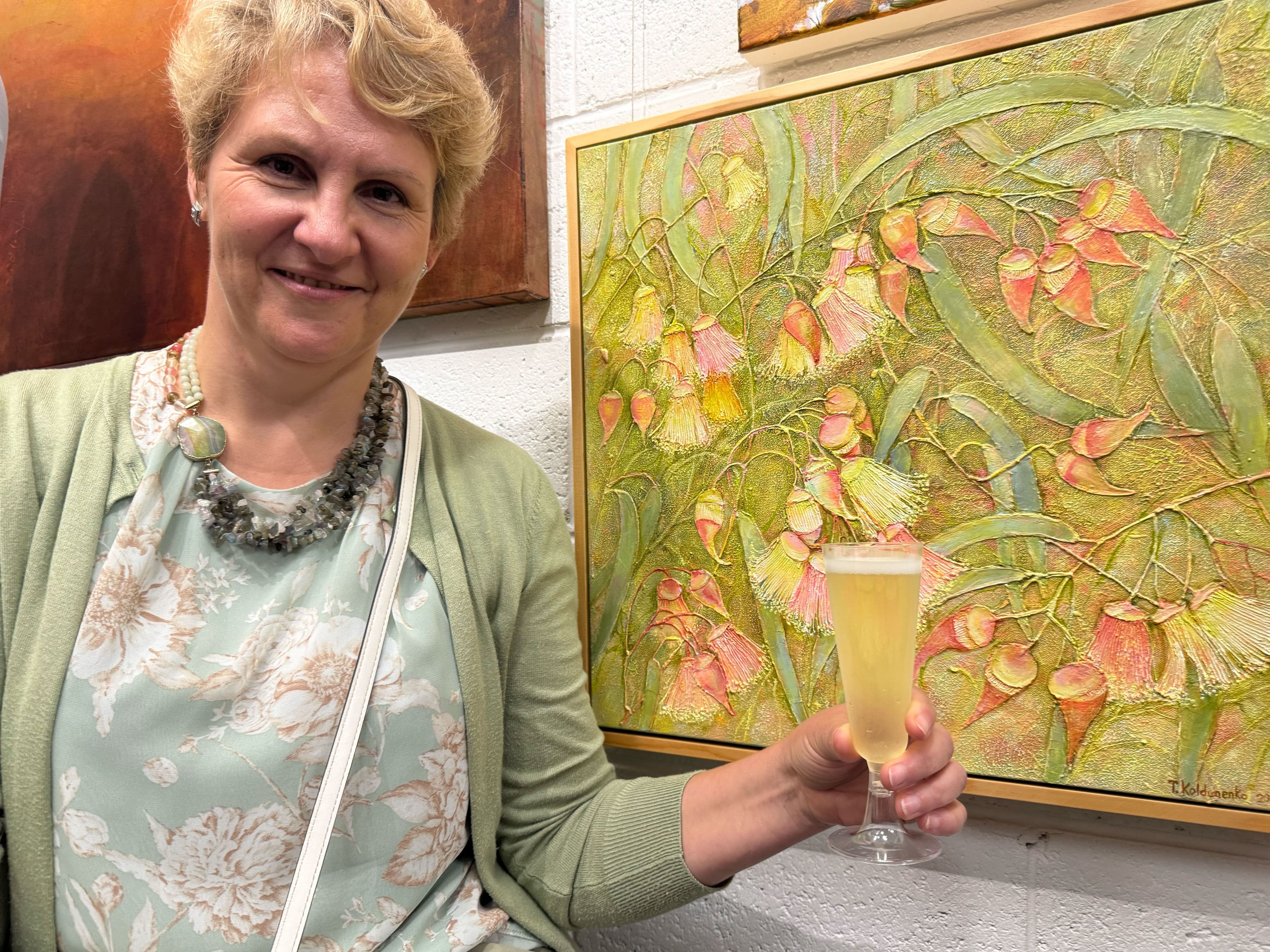
Also in December, I was selected to participate in The Summer Prize Exhibition at Northern Beaches Gallery, an exhibition absolutely worth visiting with many outstanding works on display. Among them was my painting Jingymia mallee — Eucalyptus synandra, shown in late December.
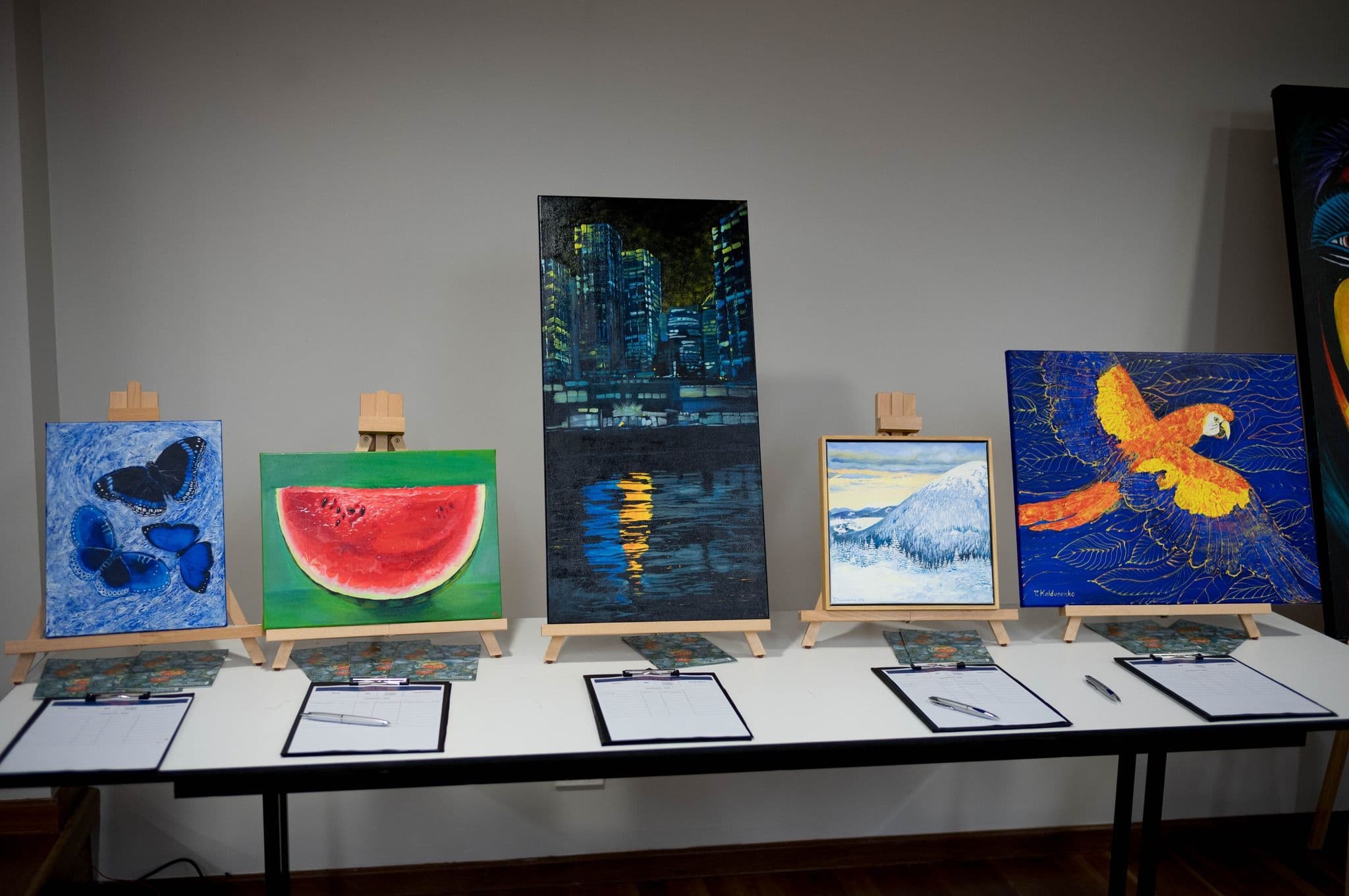
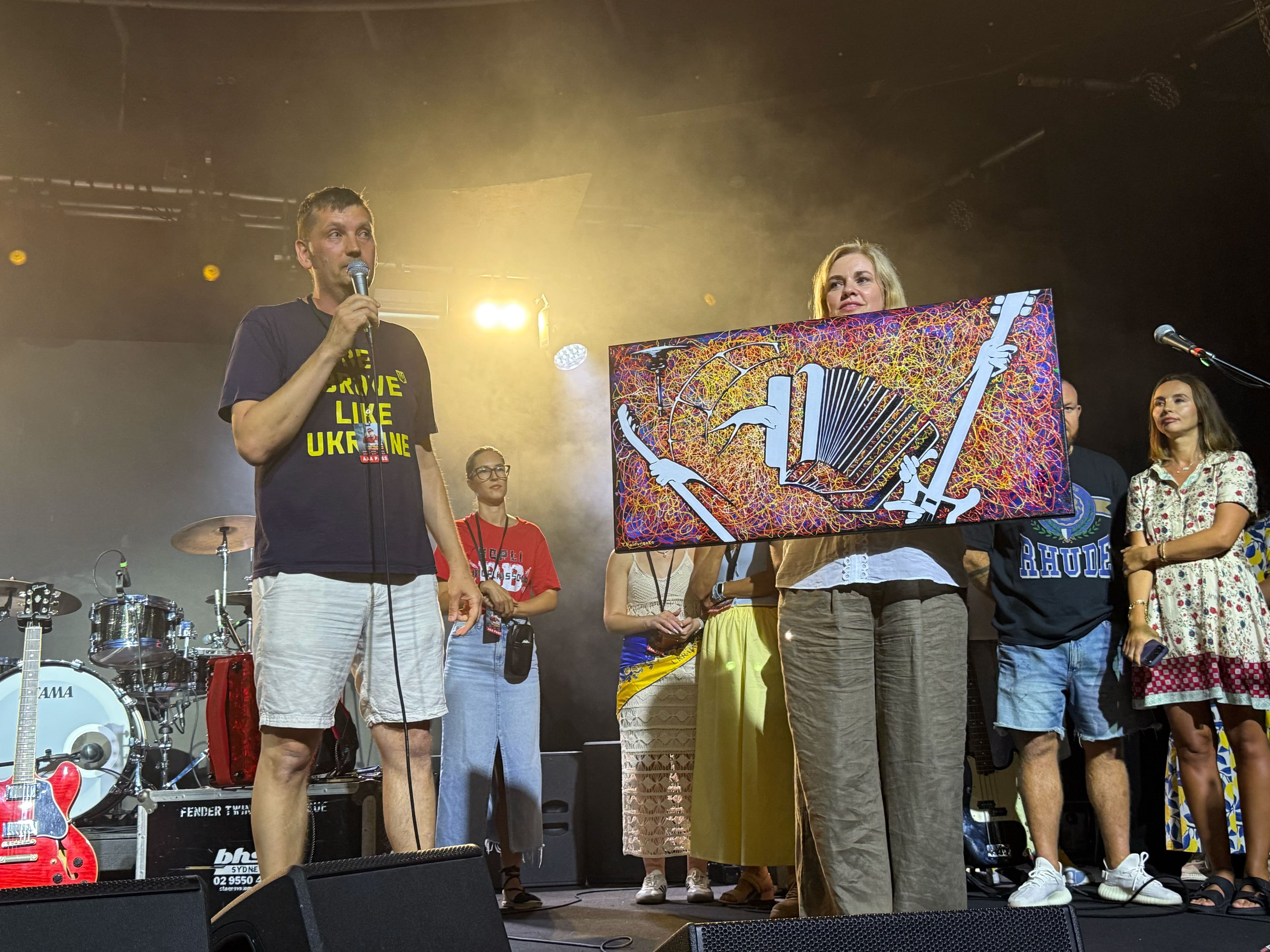
Another memorable moment from this period was seeing one of my artworks sold at auction directly from the concert stage — a powerful reminder of how art can live and breathe beyond gallery walls.
Currently, my work Nocturne for Large-Fruited Mallee is on display at:
Brunswick Street Gallery, Melbourne
Small Works Art Prize Exhibition
4–17 January 2026
This exhibition holds a special place for me — I’ve been taking part in it since 2011. If you’re in Melbourne this January, don’t miss it.
And there’s more to come — stay tuned.
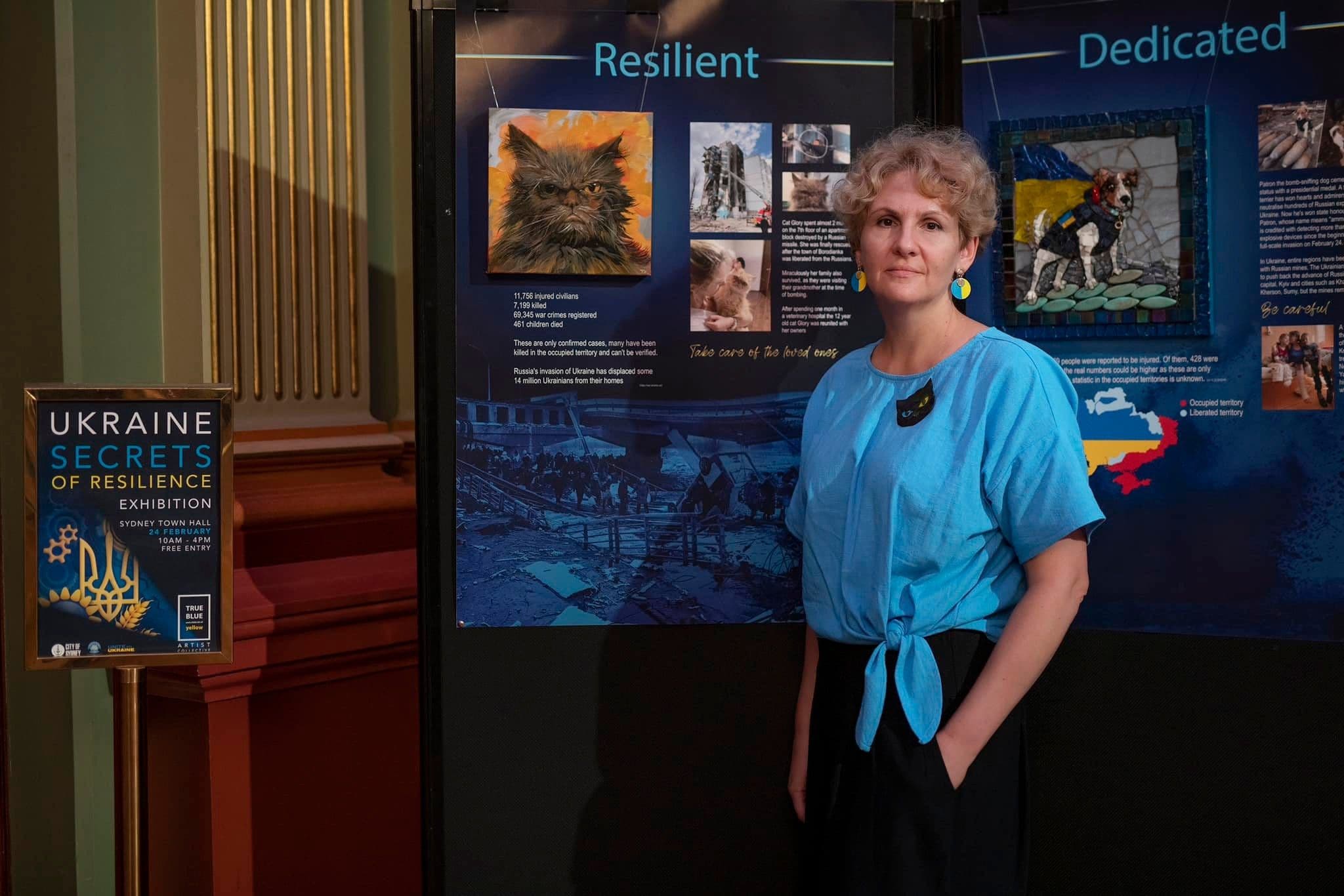
Ukraine: Secrets of Resilience was an exhibition by True Blue & a Little Bit of Yellow, presented at Sydney Town Hall to mark one year since the start of the full-scale Russian invasion of Ukraine. I wanted to find a way to help people in Australia understand what war is — not in abstract terms, but through human experience. That idea became Secrets of Resilience. I went through a year of devastating news and personal testimonies, selecting stories that resonated most deeply and spoke about survival, loss, strength, and endurance. From these stories, I created a series of posters combining documentary photographs, written accounts, and artworks — my own and those of fellow artists — alongside real objects carrying personal and symbolic meaning. Each element was chosen carefully, so the exhibition could be read, felt, and experienced rather than simply viewed. Working through so much human pain was emotionally demanding. Revisiting these stories left a lasting mark, but I believe the process was necessary. The exhibition allowed many visitors to imagine themselves in a place of conflict and offered a glimpse into how people continue to live, endure, and remain human under unimaginable circumstances. It was not an easy exhibition — but it was an important one.