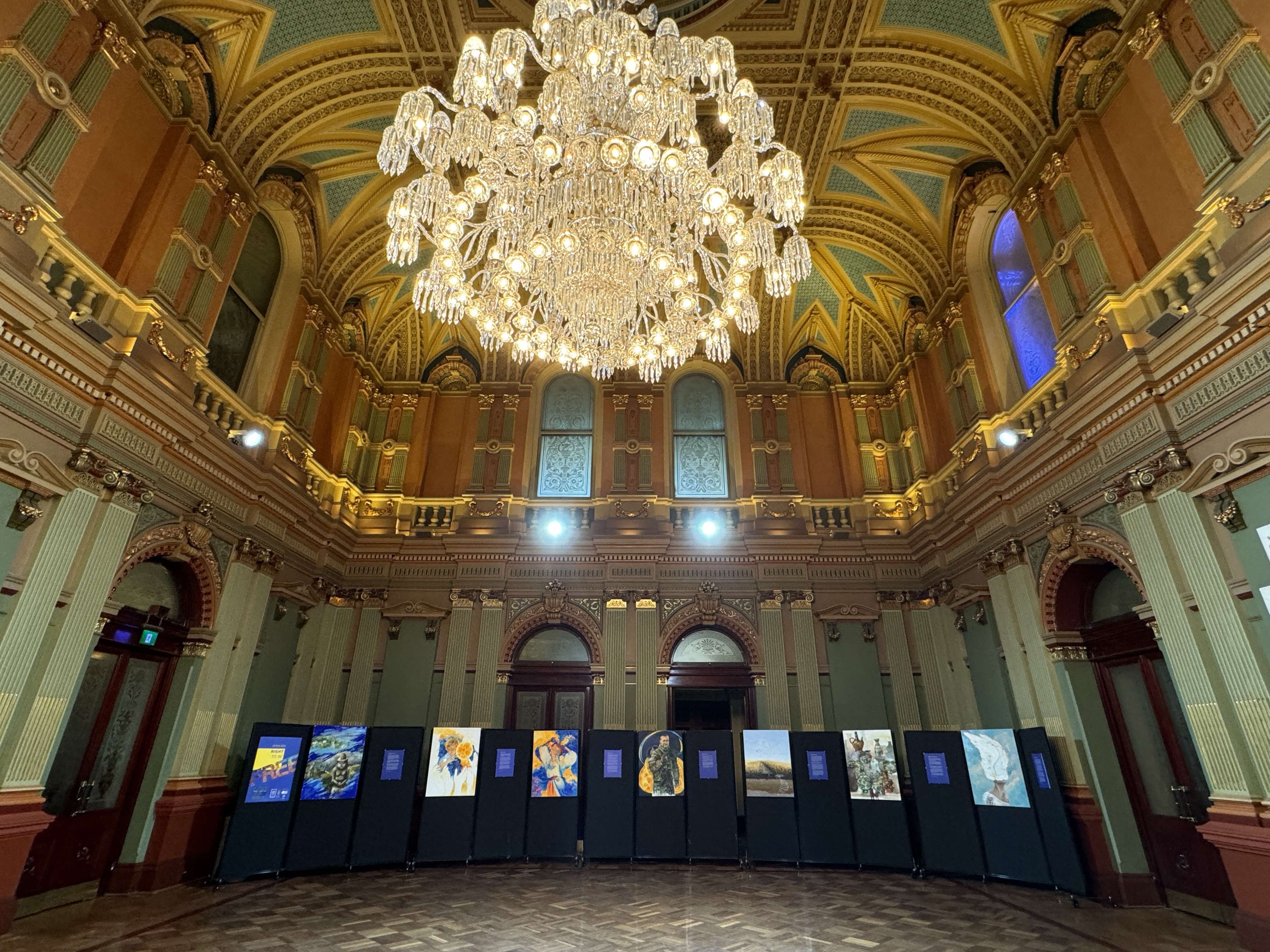
Right to Be Free was an art exhibition by True Blue & a Little Bit of Yellow, created to mark Ukraine’s Independence Day and presented as part of the Freedom. Courage. Culture. performance at Sydney Town Hall in August 2024.


The exhibition focused on fundamental human rights and freedoms — values currently under severe threat in Ukraine due to the unlawful Russian invasion. The visual artworks deliberately reflected the joyful, life-affirming aspects of freedom, while accompanying posters addressed the specific rights being violated. This contrast invited viewers to reflect on what freedom means, and what is at stake when it is taken away.
Presented in the heart of Sydney, the exhibition formed part of a broader cultural program celebrating Ukrainian identity, resilience, and independence.
Right to Be Free was made possible with the support of the City of Sydney, the Ukrainian Council of NSW (UCNSW), the Australian Federation of Ukrainian Organisations, and the artists of True Blue & a Little Bit of Yellow.


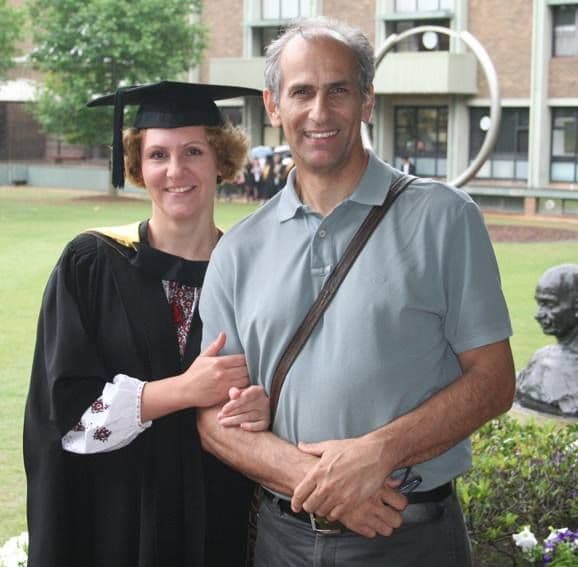
My Master of Design (Hon.) at COFA, UNSW focused on one question: How can we improve children’s engagement with printed materials to support better learning outcomes? My research shows that the more areas of the brain engaged in processing information, the stronger the memorisation and recall. I explored how to activate as many of these pathways as possible — story for narrative memory, colour for emotional response, sound and action for sensory cues, spatial awareness for orientation, and visual coding for recognition. In short: designing visuals that teach, entertain, and stay in a child’s memory. But my journey with children’s design began long before my Master’s. Over the years, I’ve illustrated several children’s books and created my own comic book about the adventures of a Ukrainian boy in Australia — writing 20 stories and drawing all of the comic illustrations myself. These projects shaped my understanding of how we see, learn, and connect with visual narratives — a foundation that continues to guide my work today.
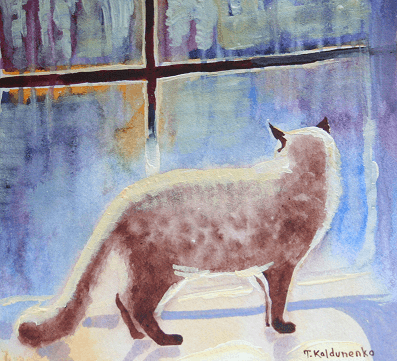
In the fifth grade, I first tried watercolour painting—and it instantly became a source of immense joy. The way the pigments danced and blended on paper felt like magic. I discovered that watercolours have a mind of their own: their fluidity and unpredictability invite collaboration rather than control. Over the years, this dialogue between brush, water, and pigment has stayed with me. Every time I pick up a watercolour brush, I’m reminded of that first spark of discovery in year 5—the joy of watching colours flow freely, forming something beautiful and unexpected. My journey with art didn’t stop there. I’ve dedicated my entire life to studying and working with various materials—acrylics, oils, texture pastes, and more—each offering its own challenges and rewards. Yet watercolour remains my first love, the medium that taught me to trust the process and embrace the beauty of imperfection. Even today, that simple act of dipping the brush in water brings not only pigments to paper but also a flood of memories, a quiet sense of gratitude, and a profound satisfaction that has endured since those early school days.

