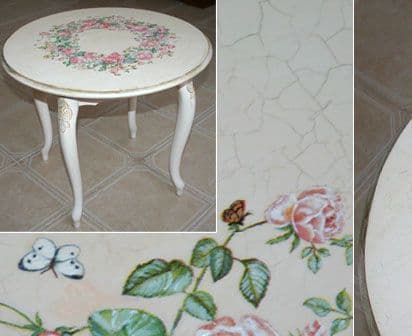
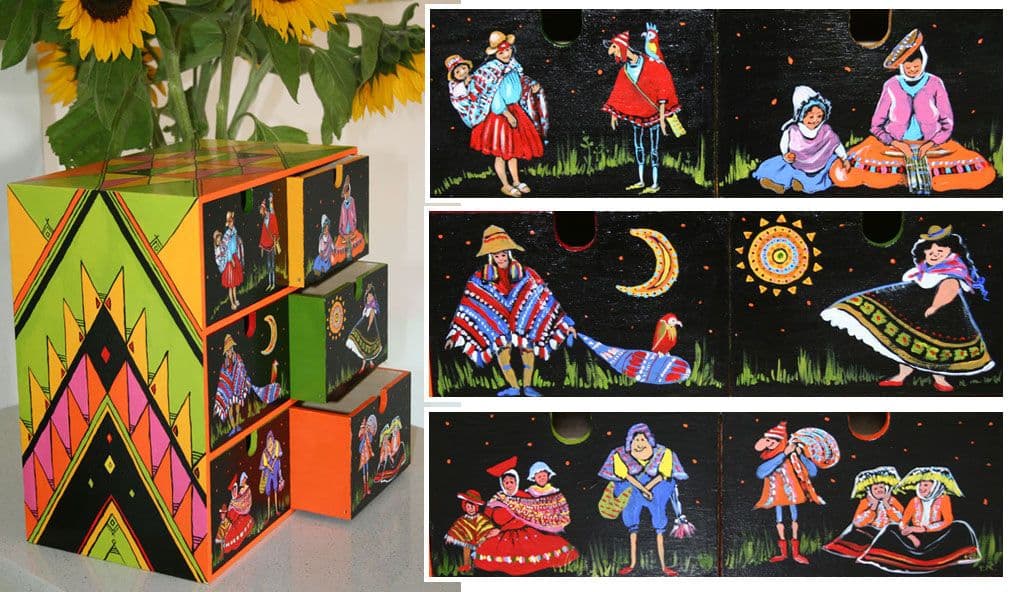
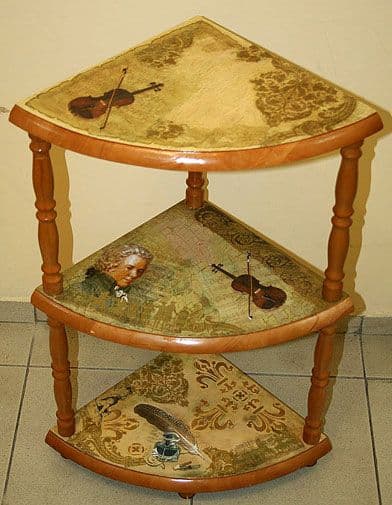
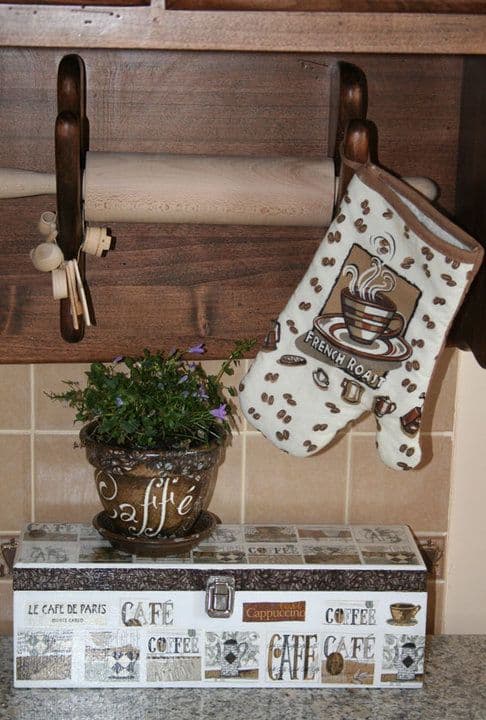
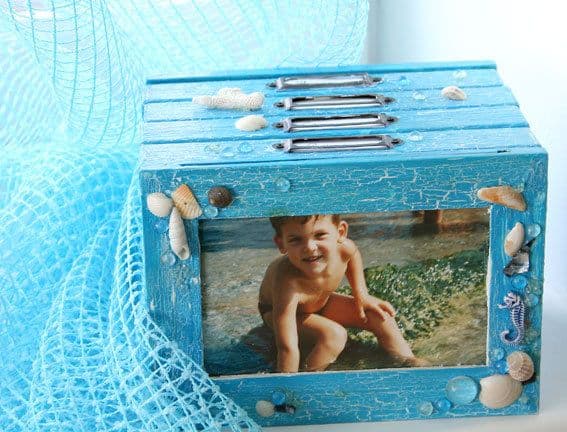
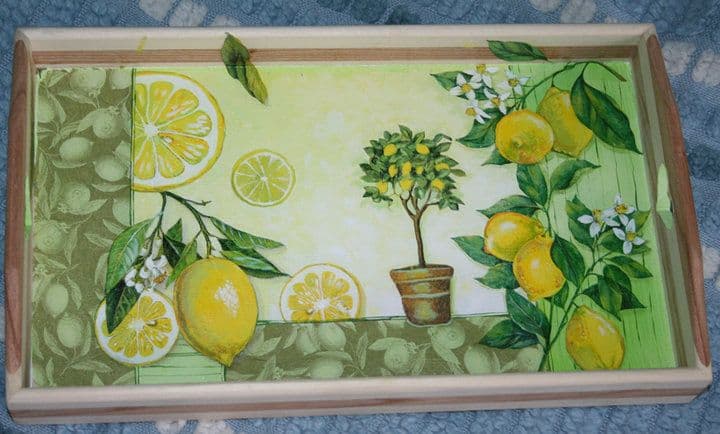
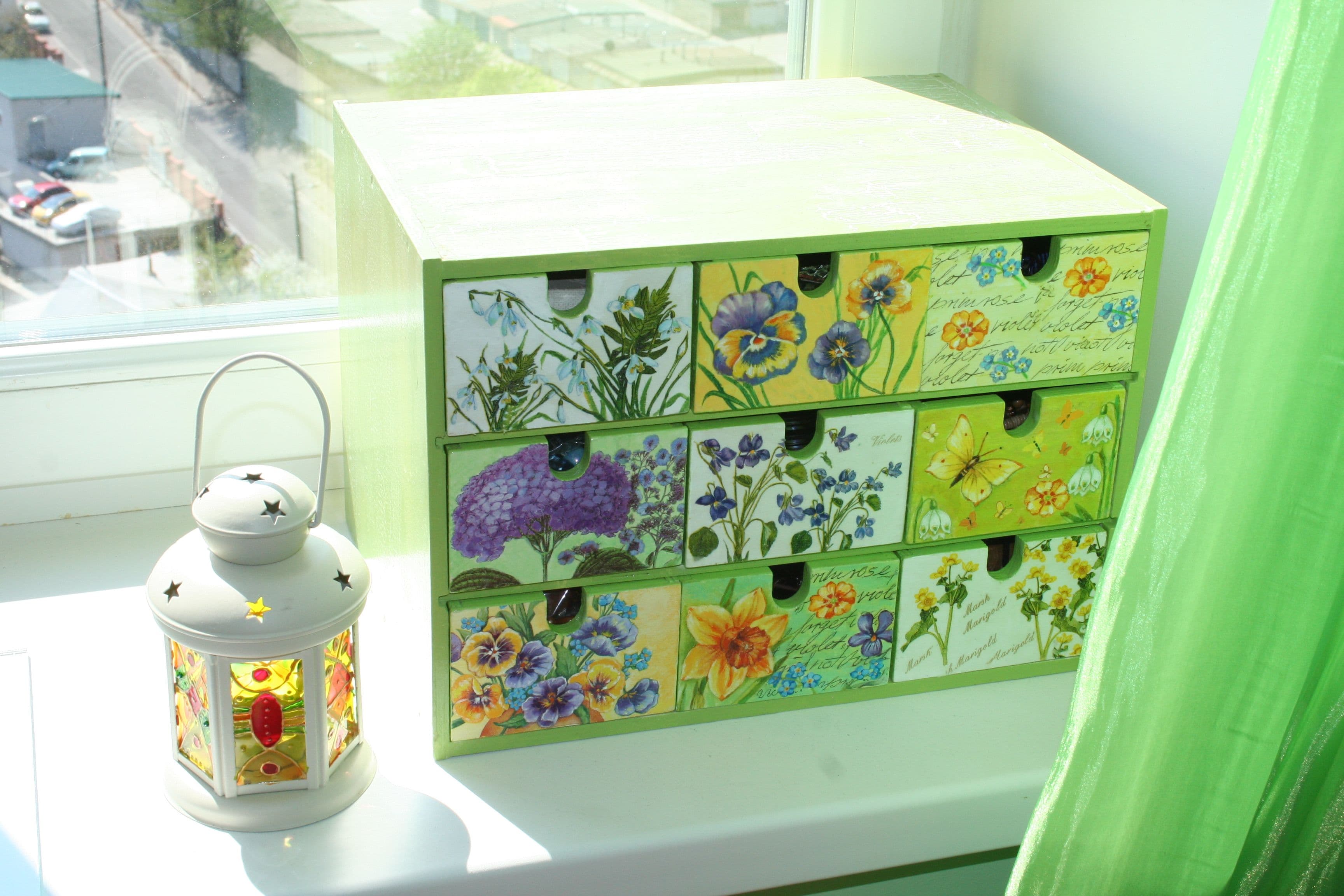
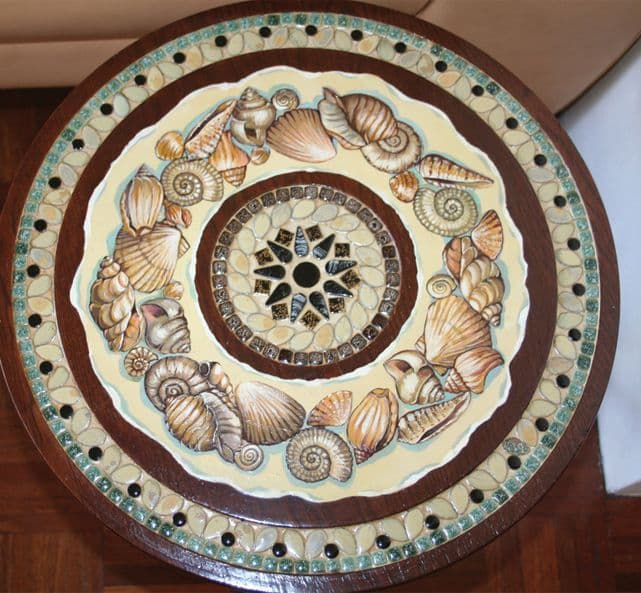
Furniture Decoration — Art You Can Live With. Working with furniture brings me a particular kind of joy. Three-dimensional objects are experienced from all sides, revealing a different picture as you move around them. There is something deeply satisfying about applying art to forms that are not only observed, but used and lived with every day. Chairs, tables, cabinets, and screens become surfaces where colour, texture, and form extend beyond the wall.
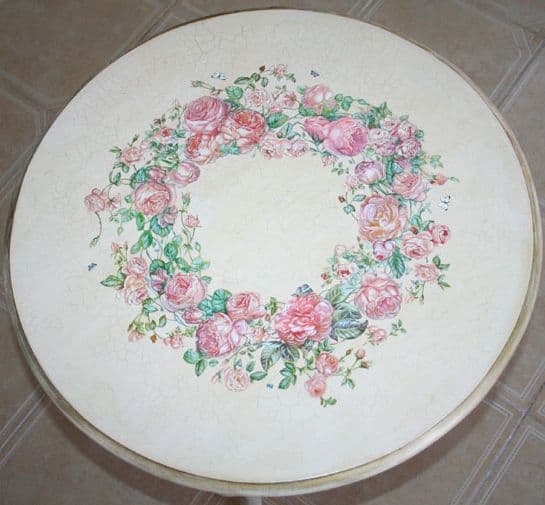
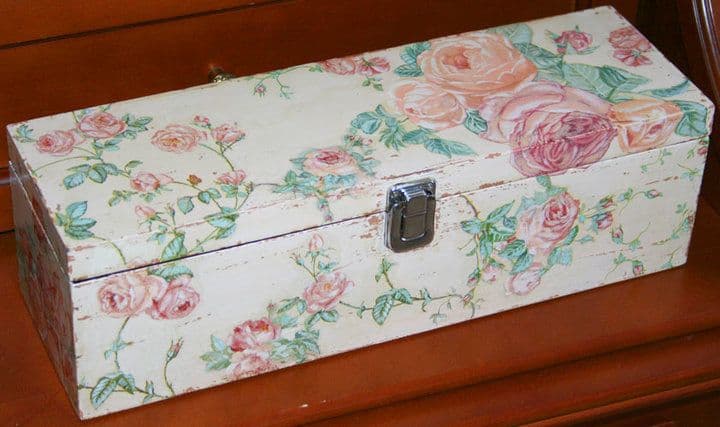
Decorated furniture has the power to anchor a room. It can become a focal point, decisively unify a colour palette, or bring cohesion to an interior style. When art moves into functional objects, it becomes part of daily rituals, adding character and warmth to everyday moments.
The process becomes even more meaningful when an old piece is given a second life. Repairing, recolouring, redesigning, reimagining, and reusing transforms something forgotten into something personal and renewed. Furniture decoration is, for me, a way of combining creativity with care — honouring what already exists while shaping it into something fresh, purposeful, and full of story.
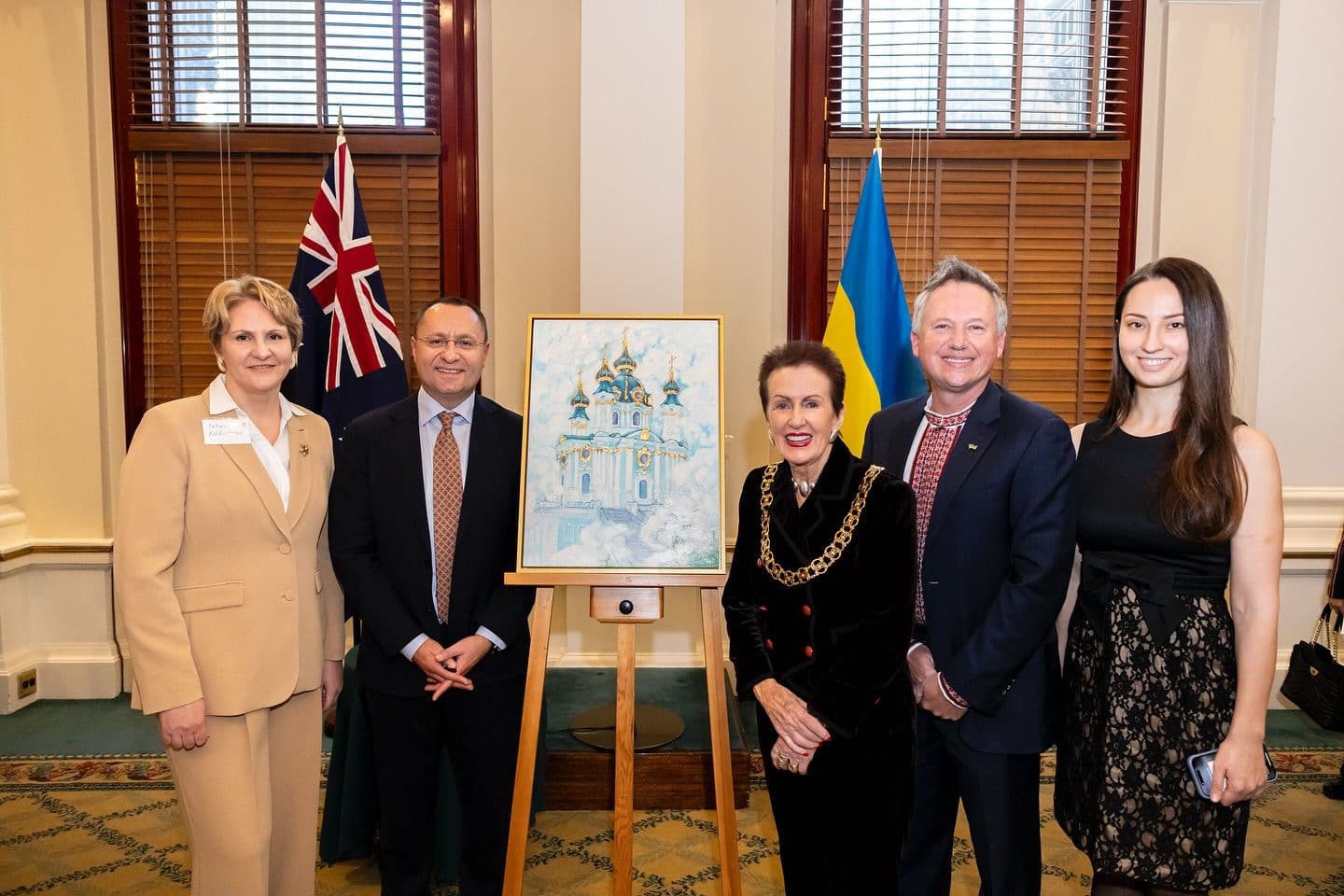
I’m deeply honoured that my painting, St. Andrew’s Church in Kyiv, Ukraine is now part of the City of Sydney Civic Collection. This artwork was officially presented in May 2025 by Andrew Mencinsky, President of the Ukrainian Council of NSW, to Lord Mayor Clover Moore and the City of Sydney—a gesture of gratitude for their ongoing support of displaced Ukrainians and our community since the beginning of Russia’s full-scale invasion in 2022. St. Andrew’s Church is a treasured Baroque gem of Kyiv, perched above the historic Podil district. Designed by Italian architect Francesco Bartolomeo Rastrelli in the 18th century, it stands as both a cultural icon and a spiritual beacon. This church holds a special place in my heart — my mum and grandfather were born not far from it, and during my art school years we spent many plein air sessions painting around its beautiful grounds. The presentation took place a month ago, but I was waiting for the official photos before sharing this moment with you. Australia’s support of Ukraine and part of my home city Kyiv, now represented in Sydney’s civic collection means more than words can express.
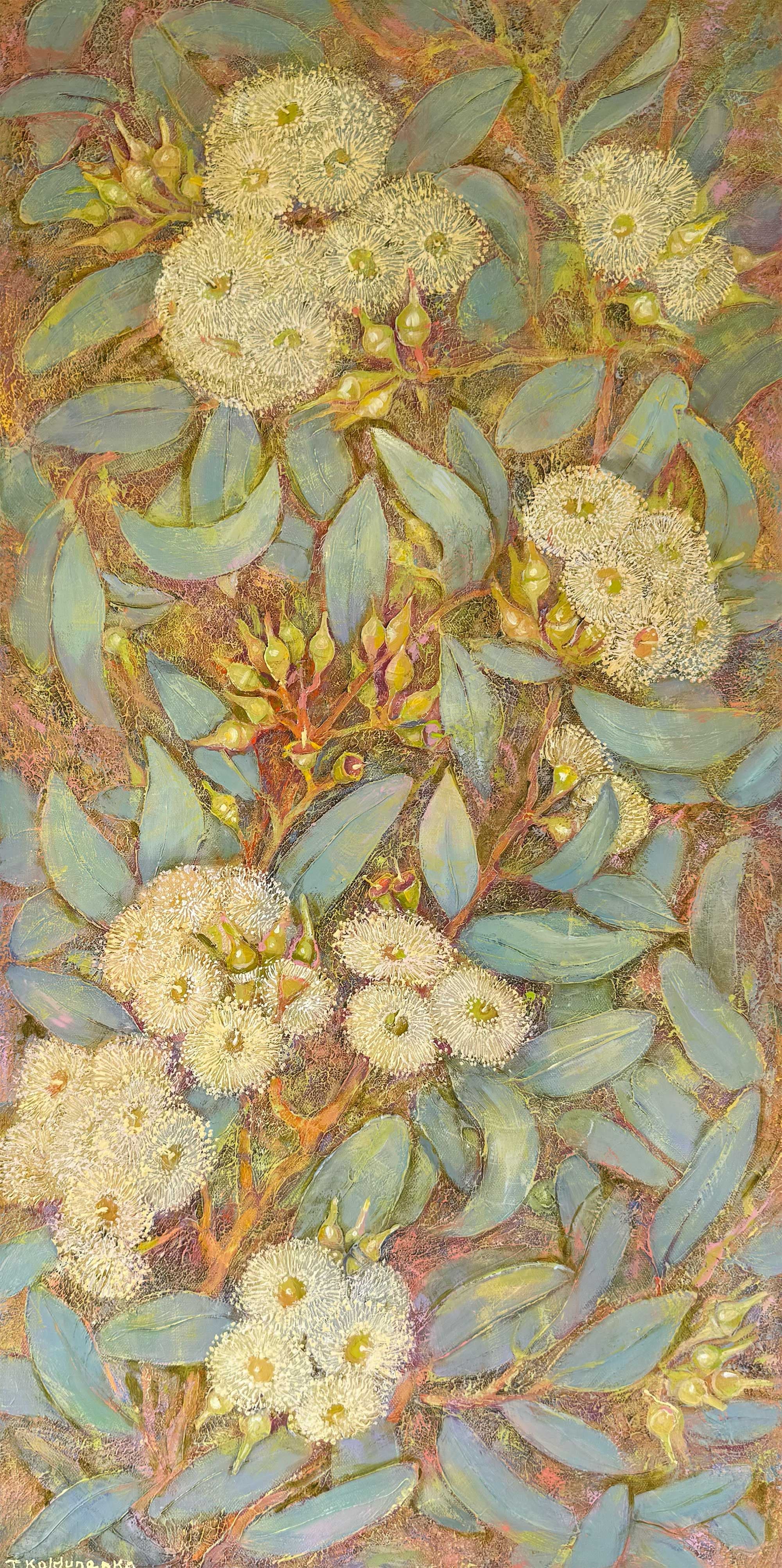
One question keeps coming up: what’s next? I’m delighted to share that my work has been selected as a finalist in the Hunters Hill Art Prize 2026. It’s an honour to be part of this exhibition alongside a strong group of selected artists, all coming together in the beautiful Hunters Hill Town Hall. The work I’ve entered, Soft Country — Eucalyptus Socialis, continues my exploration of Australian native trees — their presence, individuality, and the subtle complexity of their colour and form. If you’d like to see it in person, here are the exhibition details: Buyers’ Preview Thursday 21 May 2026, 7pm – 8pm Canapés and drinks available Opening Night Friday 22 May 2026, 6pm – 8pm Canapés and drinks available