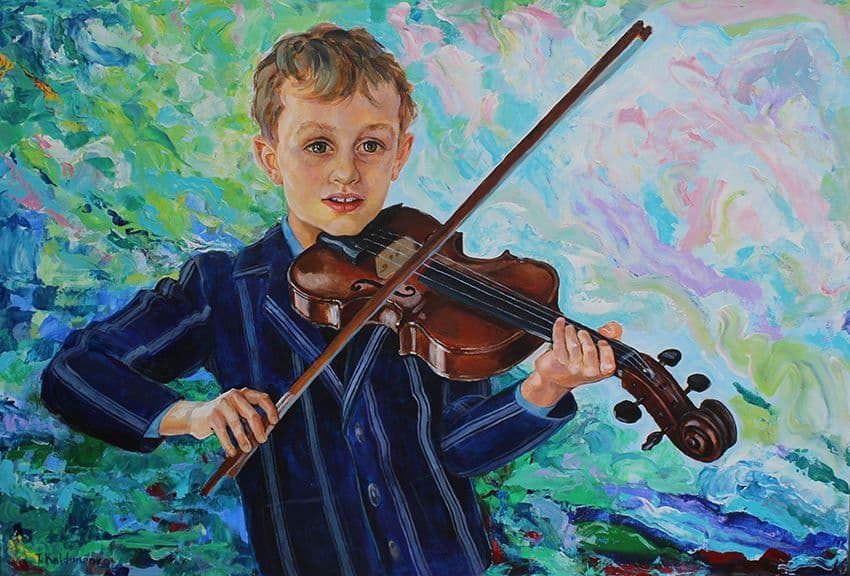
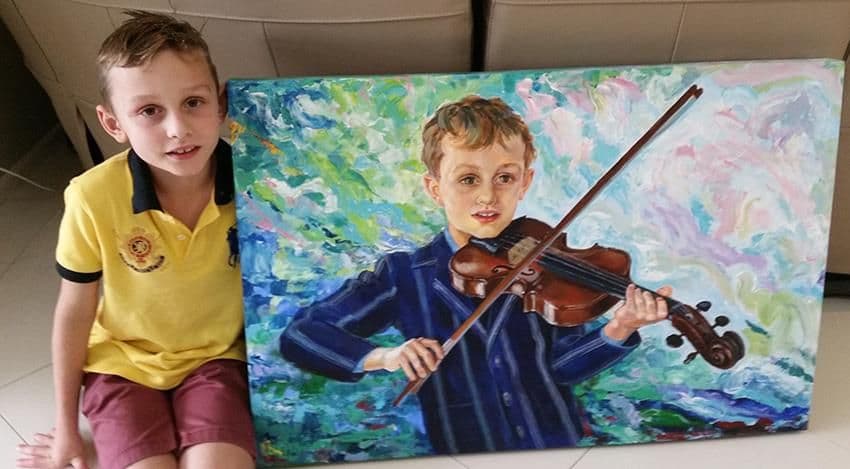
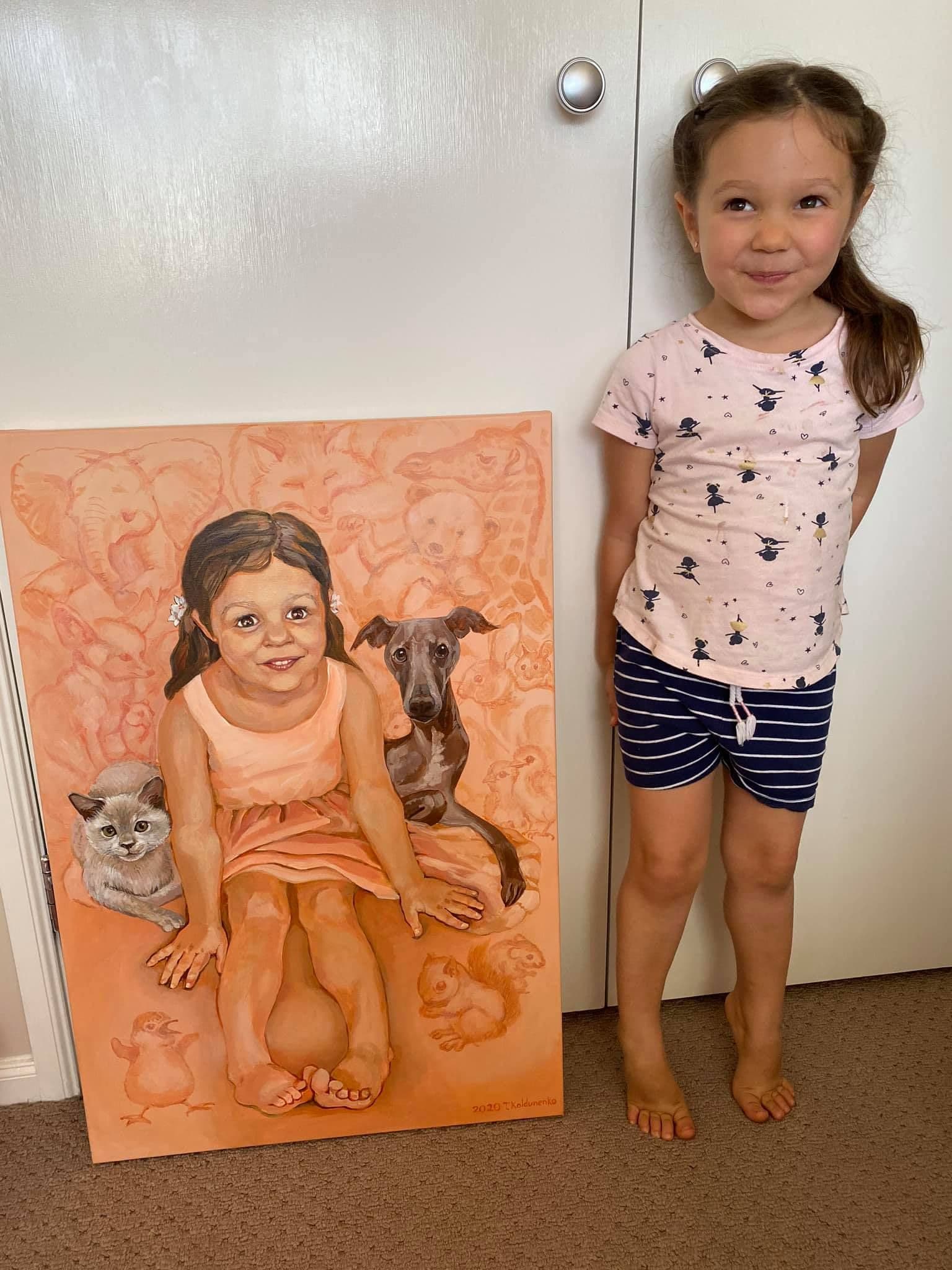
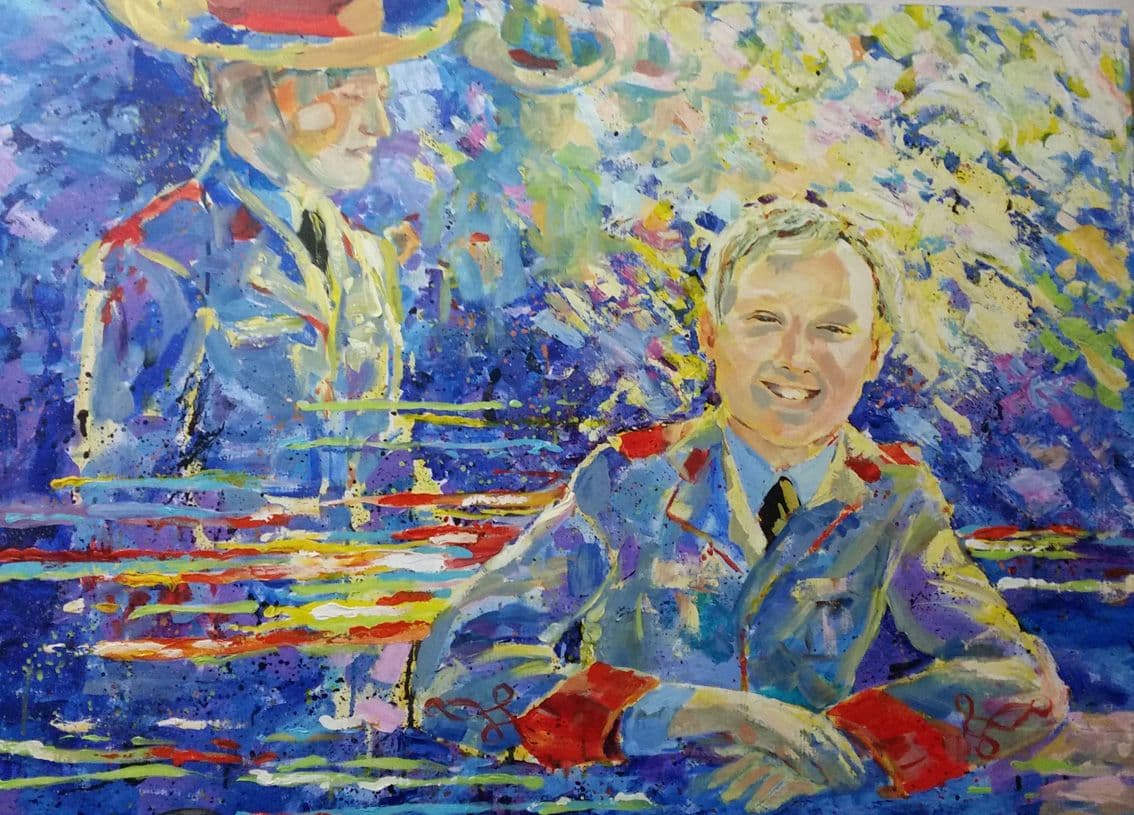
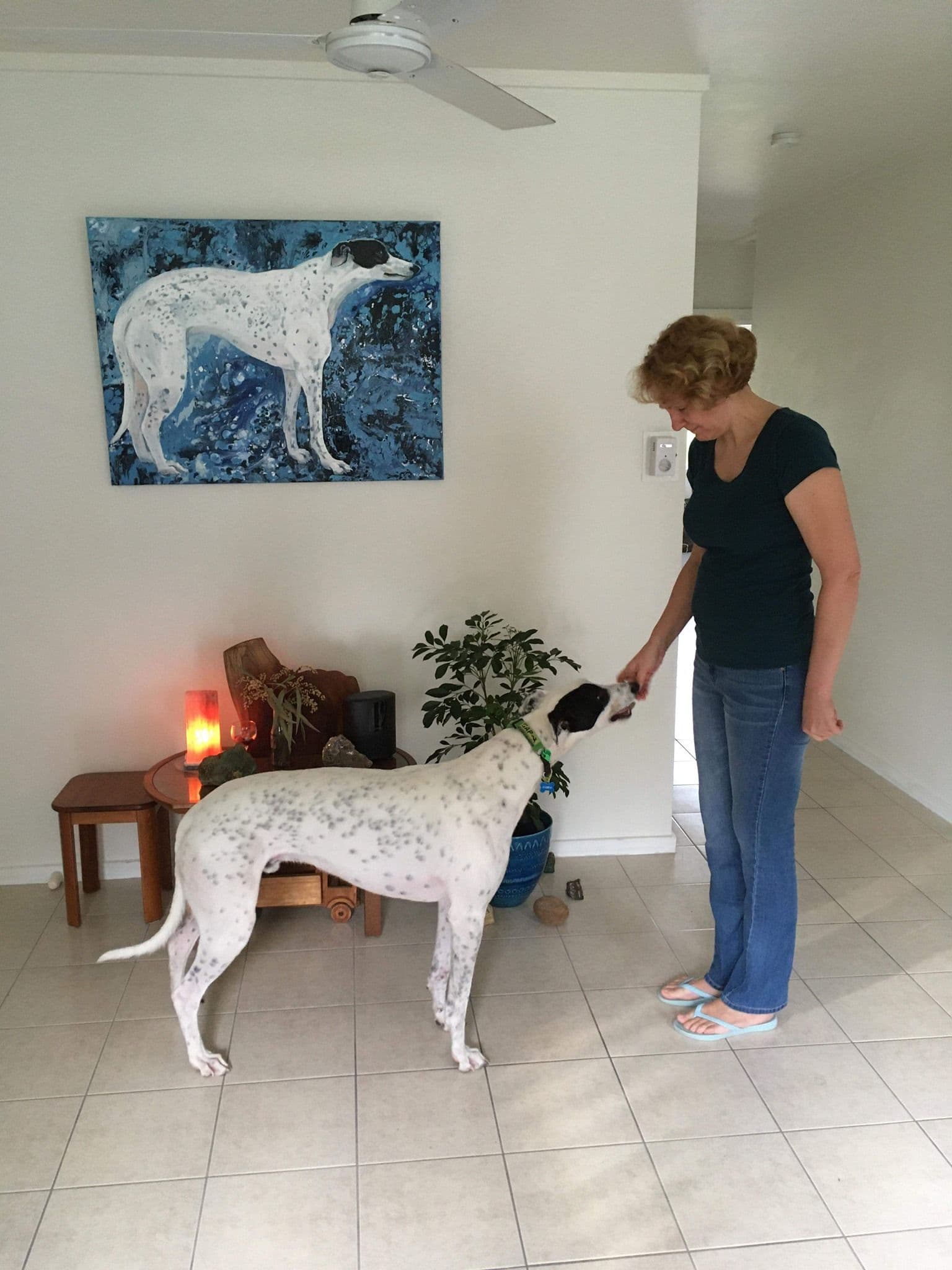
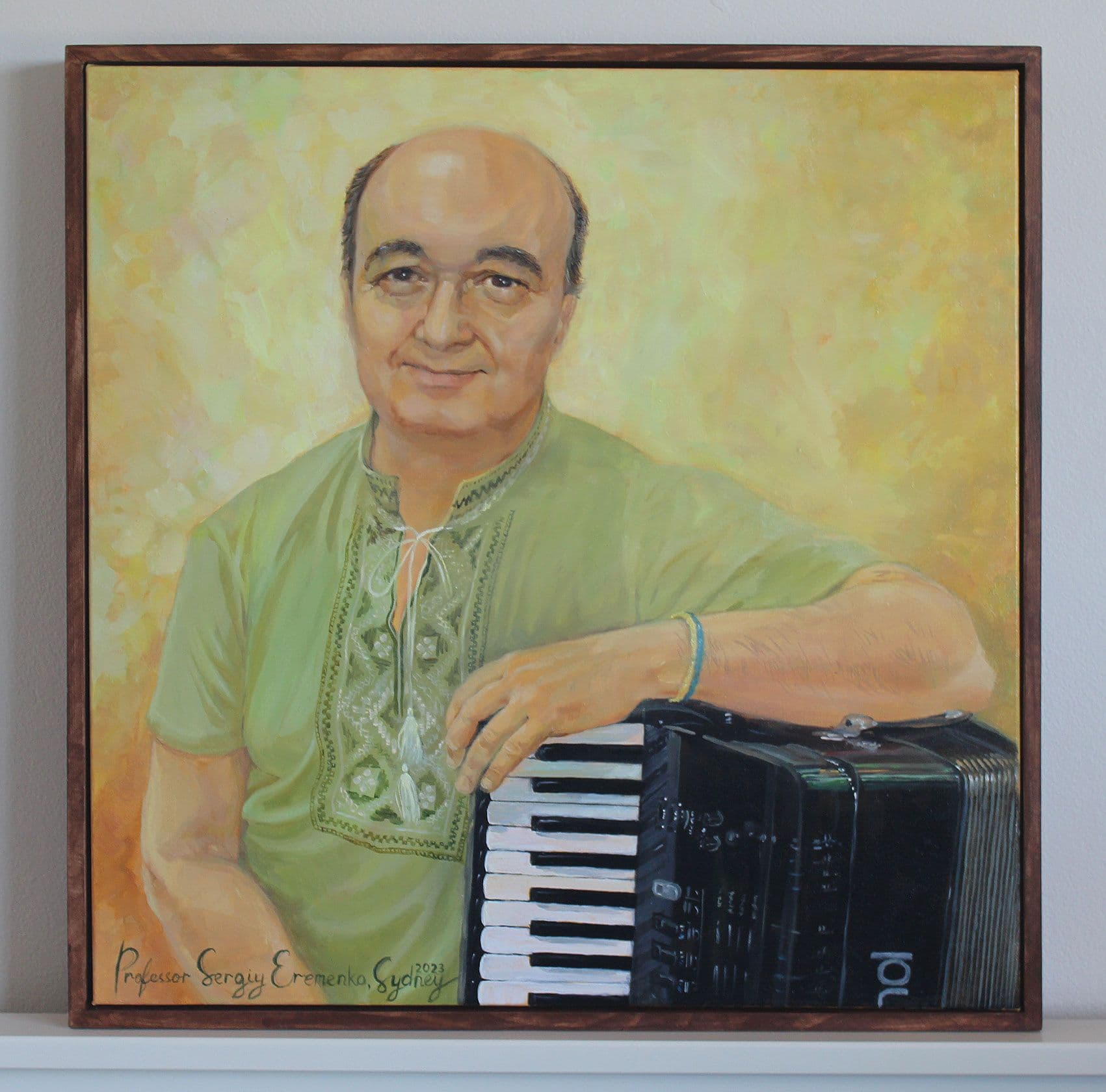
From time to time, someone commissions a portrait not simply as an artwork, but as a way to preserve a presence — a face, a character, a moment in life meant to last beyond the present. Portraits hold a unique place in art because they are created with the future in mind, becoming part of a family’s visual history.
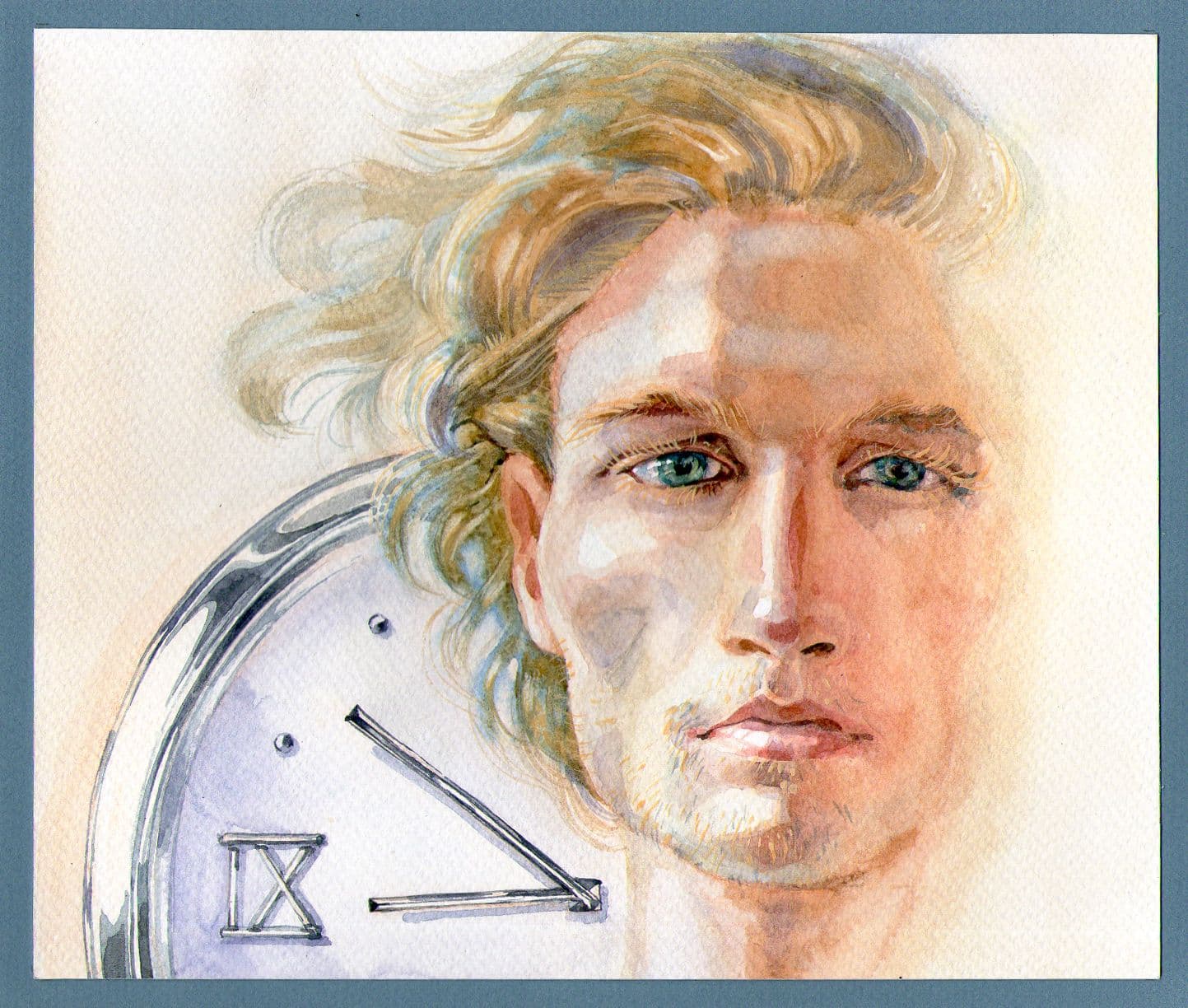
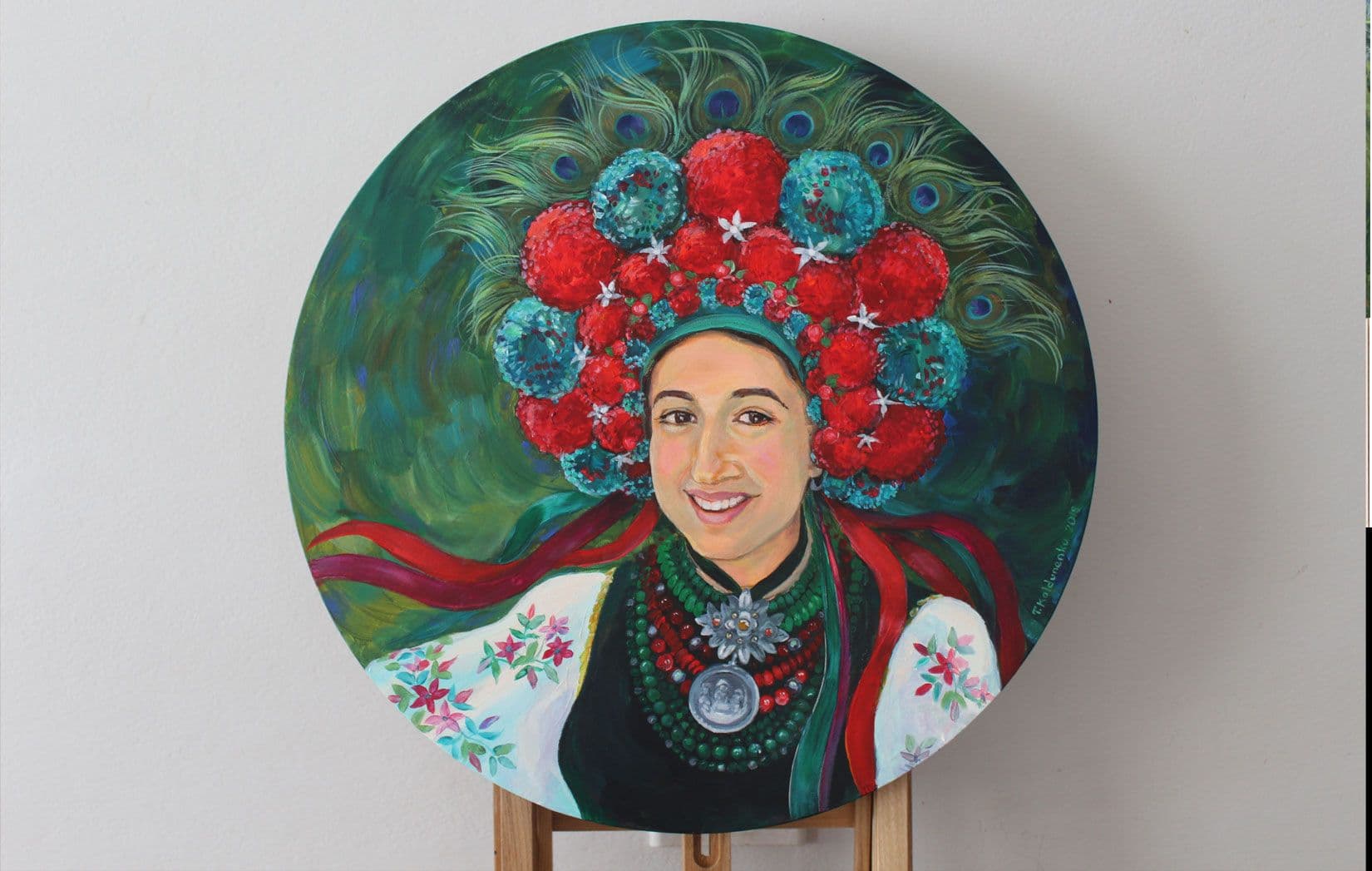
When I work on a portrait, my focus goes beyond likeness. I look for what makes a person recognisable to those who love them — a certain expression, a posture, a quiet strength or warmth that speaks of who they are. These details are often subtle, but they are what transform a portrait into something deeply personal.
Commissioned portraits are often created to mark important moments: a milestone, a legacy, or a tribute. Over time, they become witnesses to family stories, passed from one generation to the next, carrying memory, identity, and connection.
For me, creating a portrait is a shared process built on trust and attentiveness. It is about honouring the individual and creating a work that will continue to speak long after the sitting has ended — a lasting memory, held in paint.
1 April 2026
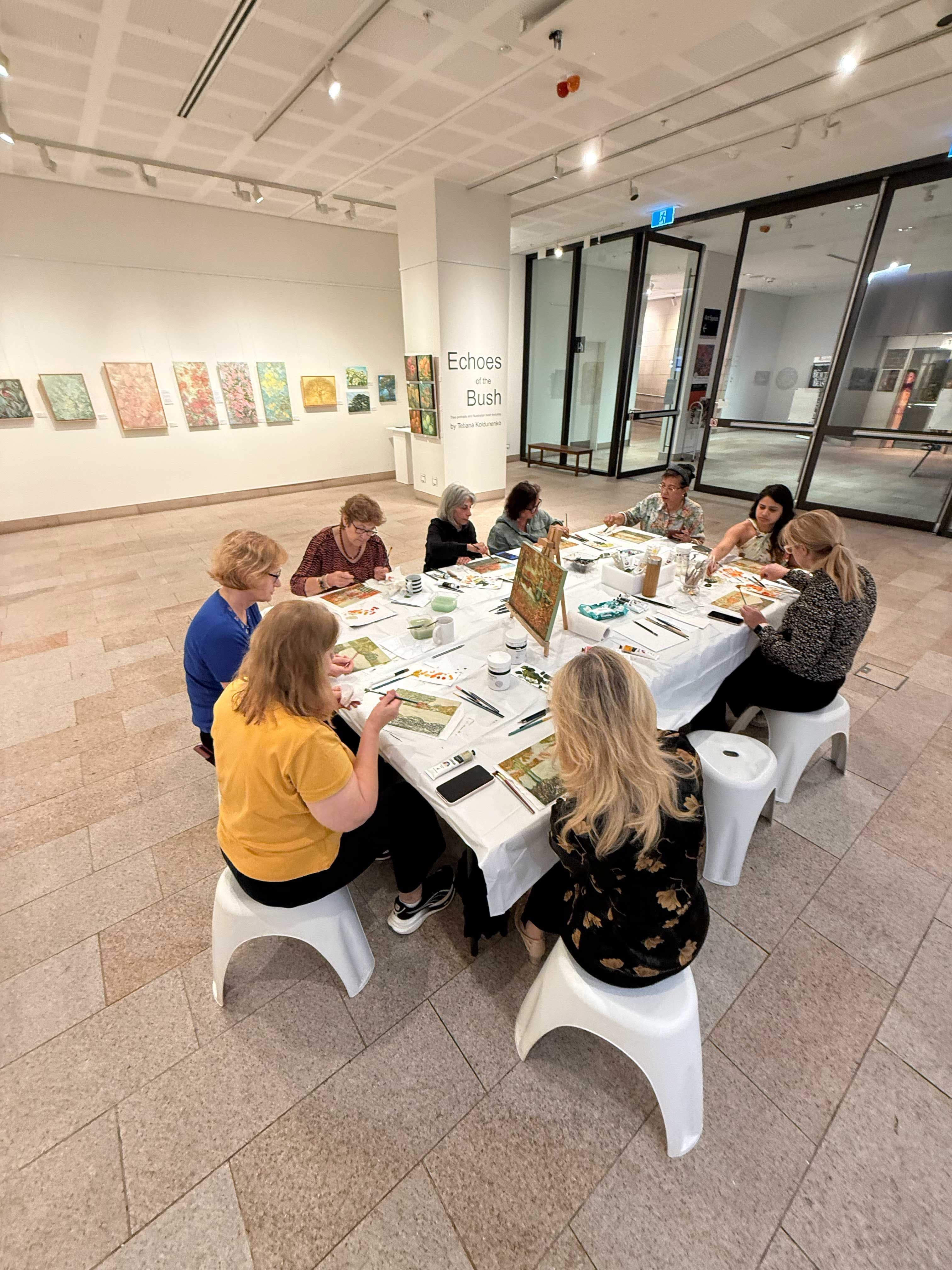
A big well done to everyone who joined the Autumn in Textures & Colours workshop 🍂 It was such a wonderful creative session to share together. If you missed this one — let me know, I’m already planning the next workshop!
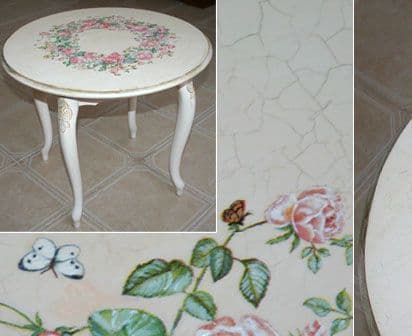
Furniture Decoration — Art You Can Live With. Working with furniture brings me a particular kind of joy. Three-dimensional objects are experienced from all sides, revealing a different picture as you move around them. There is something deeply satisfying about applying art to forms that are not only observed, but used and lived with every day. Chairs, tables, cabinets, and screens become surfaces where colour, texture, and form extend beyond the wall. Decorated furniture has the power to anchor a room. It can become a focal point, decisively unify a colour palette, or bring cohesion to an interior style. When art moves into functional objects, it becomes part of daily rituals, adding character and warmth to everyday moments. The process becomes even more meaningful when an old piece is given a second life. Repairing, recolouring, redesigning, reimagining, and reusing transforms something forgotten into something personal and renewed. Furniture decoration is, for me, a way of combining creativity with care — honouring what already exists while shaping it into something fresh, purposeful, and full of story.