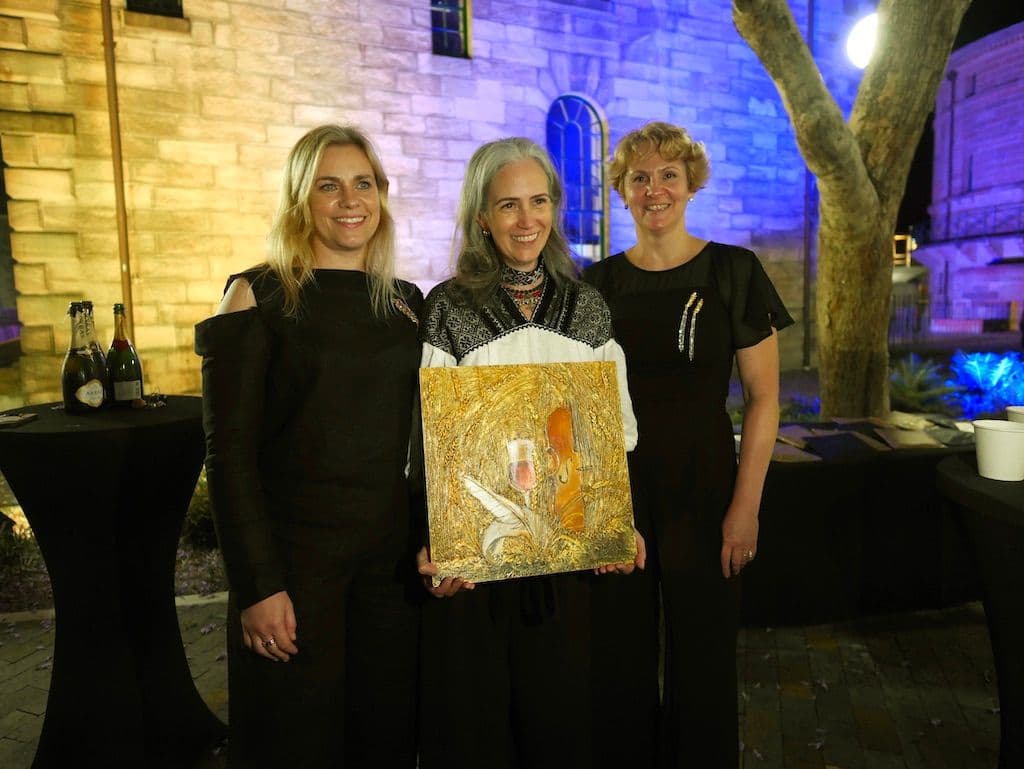
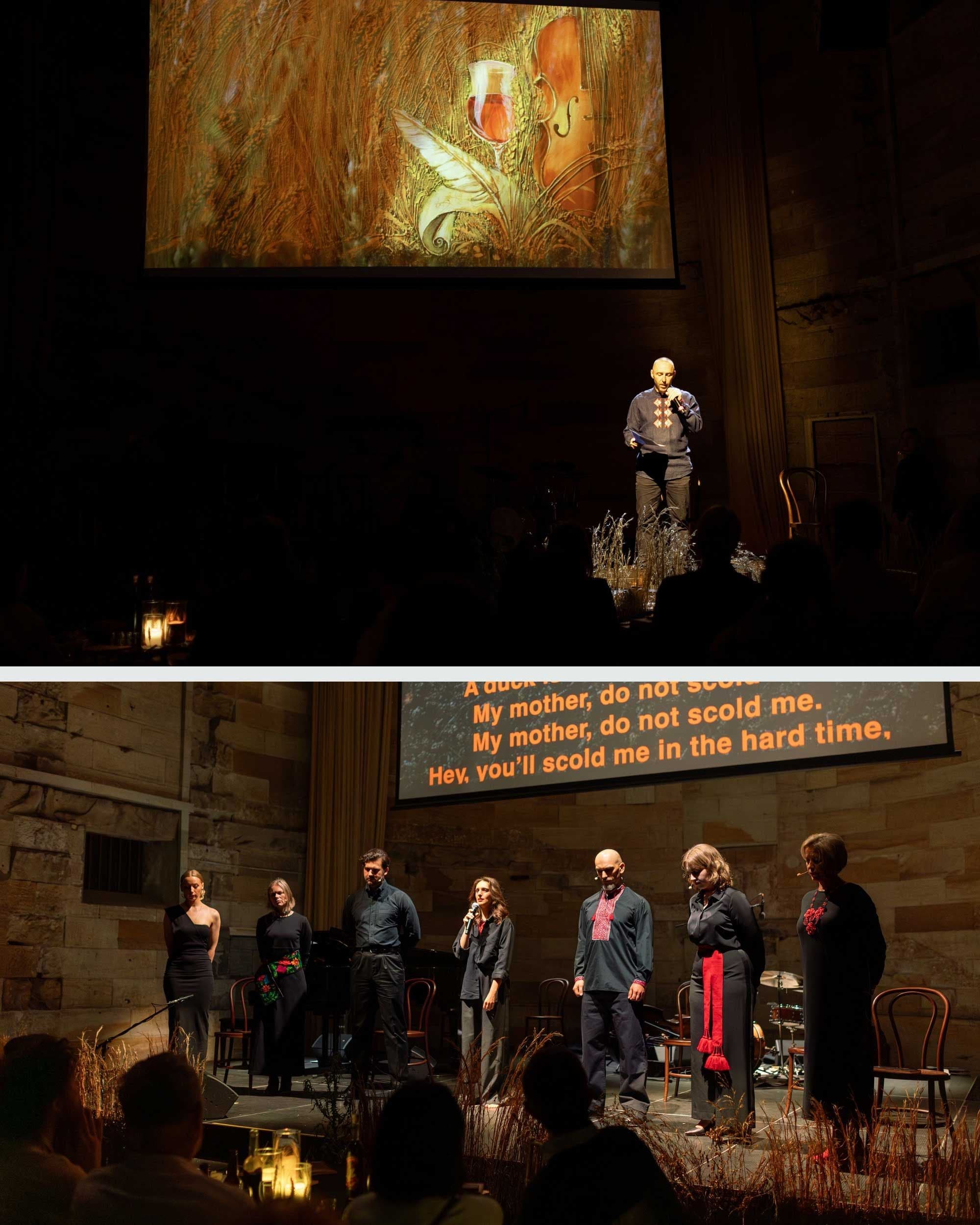
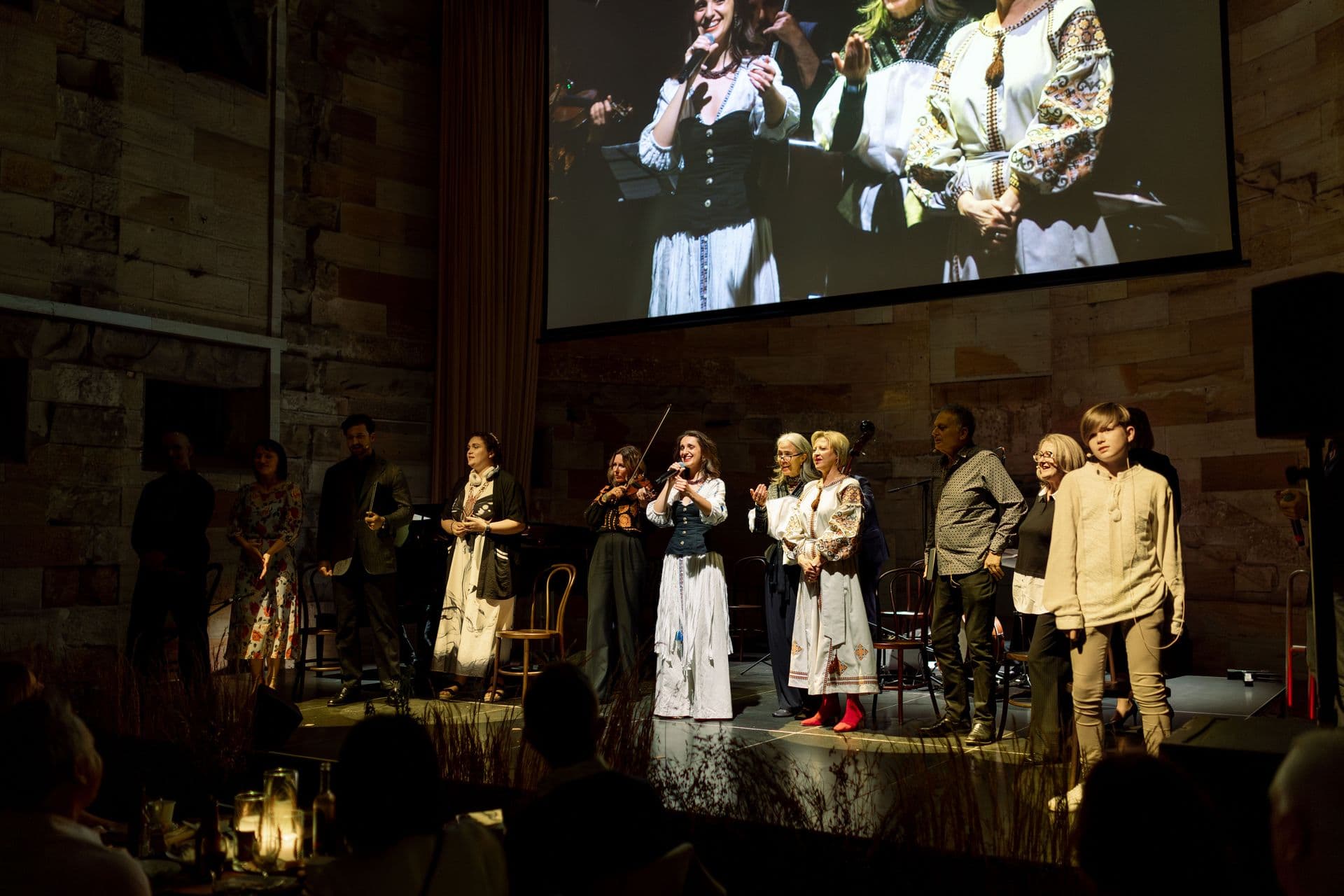
Being part of the Heartlands multimedia performance at Cell Block Theatre, Sydney, was a true privilege and an honour. It was a project driven by an incredibly motivated and generous team — a real dream team — and the result was powerful. A person, who came up with the idea of this unique event never held in Sydney before, creative director and producer of Heartlands – Linda Gough.
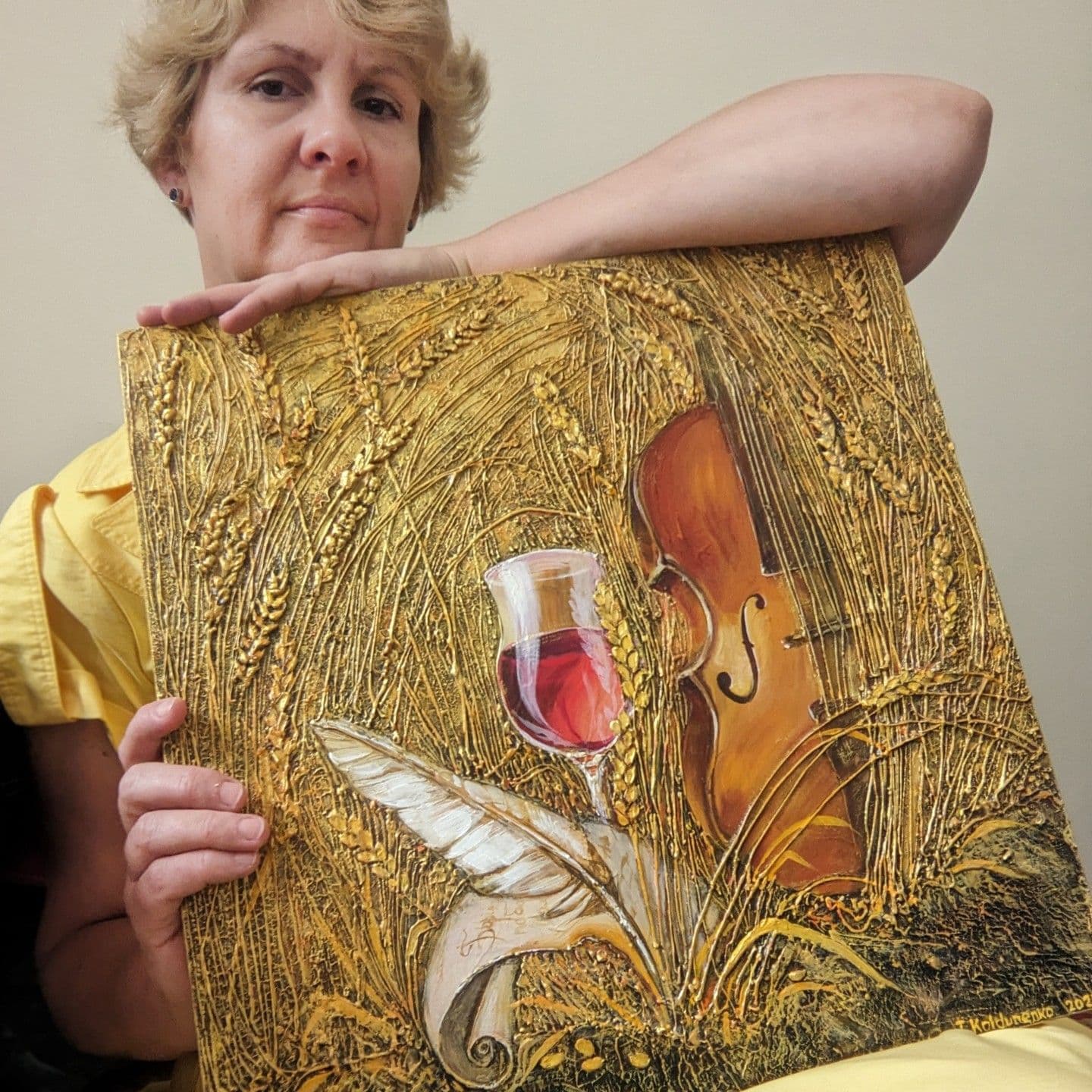
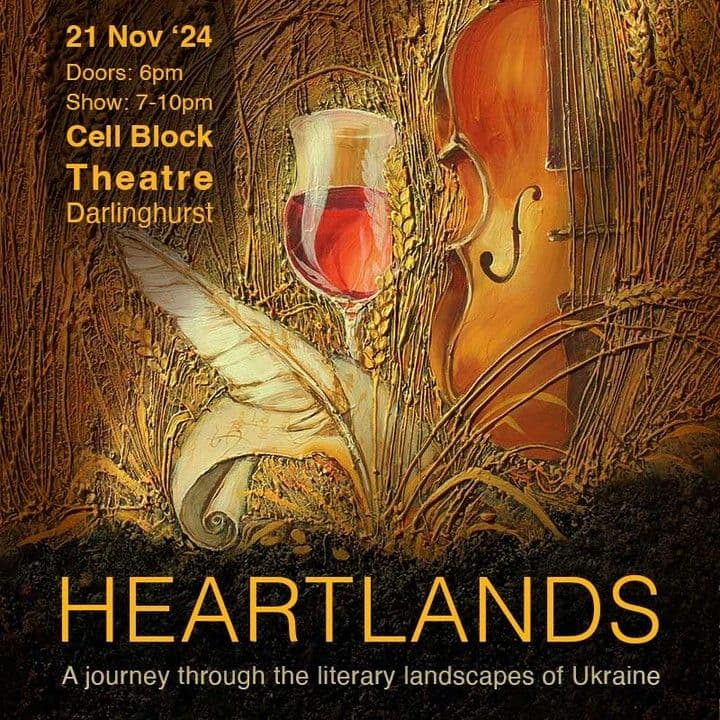
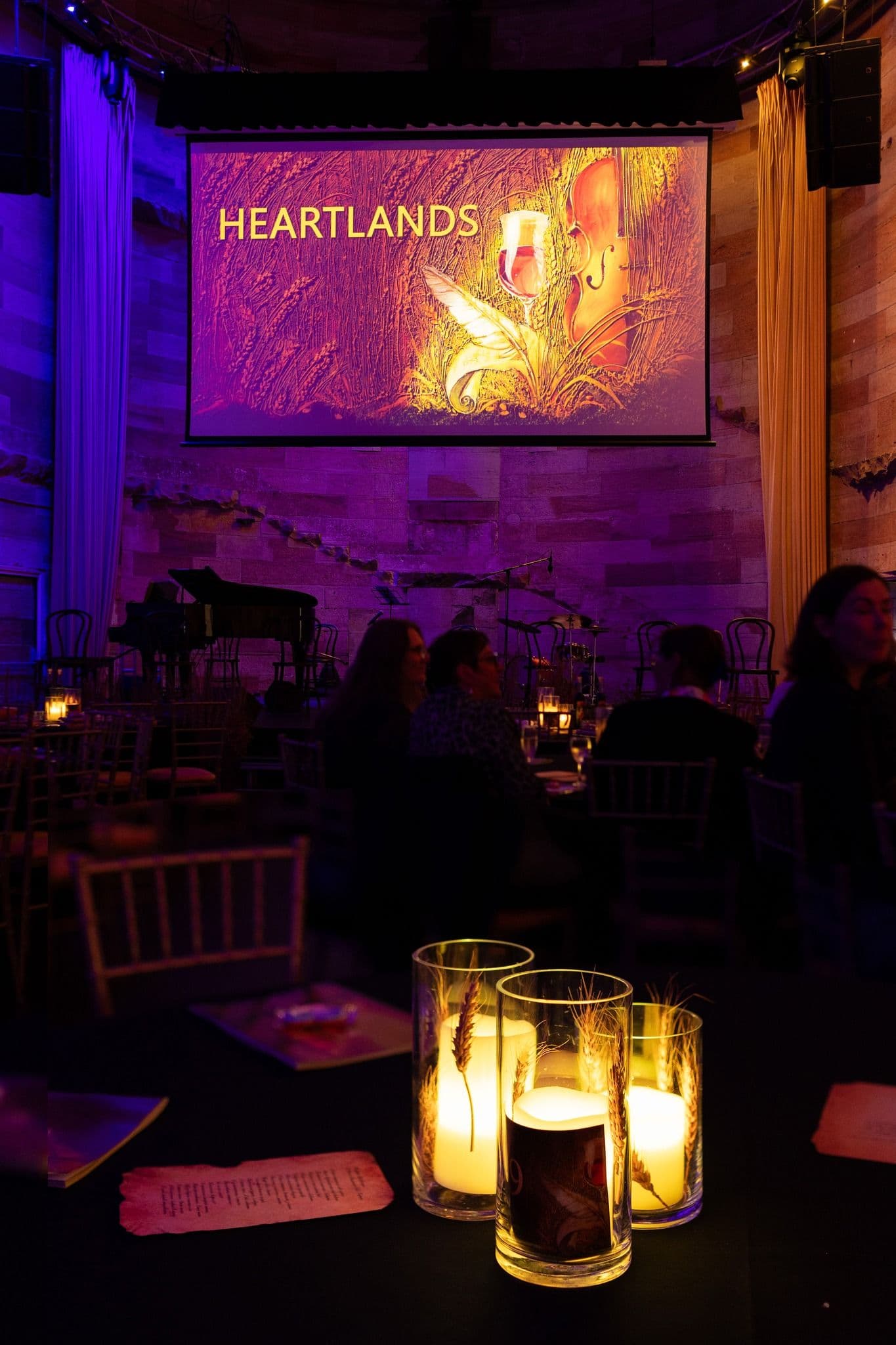
For this performance, I created the artwork of a golden wheat field rising from black soil. Ukraine is often called the breadbasket of Europe, and its fertile land has long nourished not only grain, but literature, music, and cultural memory. This image became the visual heart of the event, reflecting both abundance and endurance.
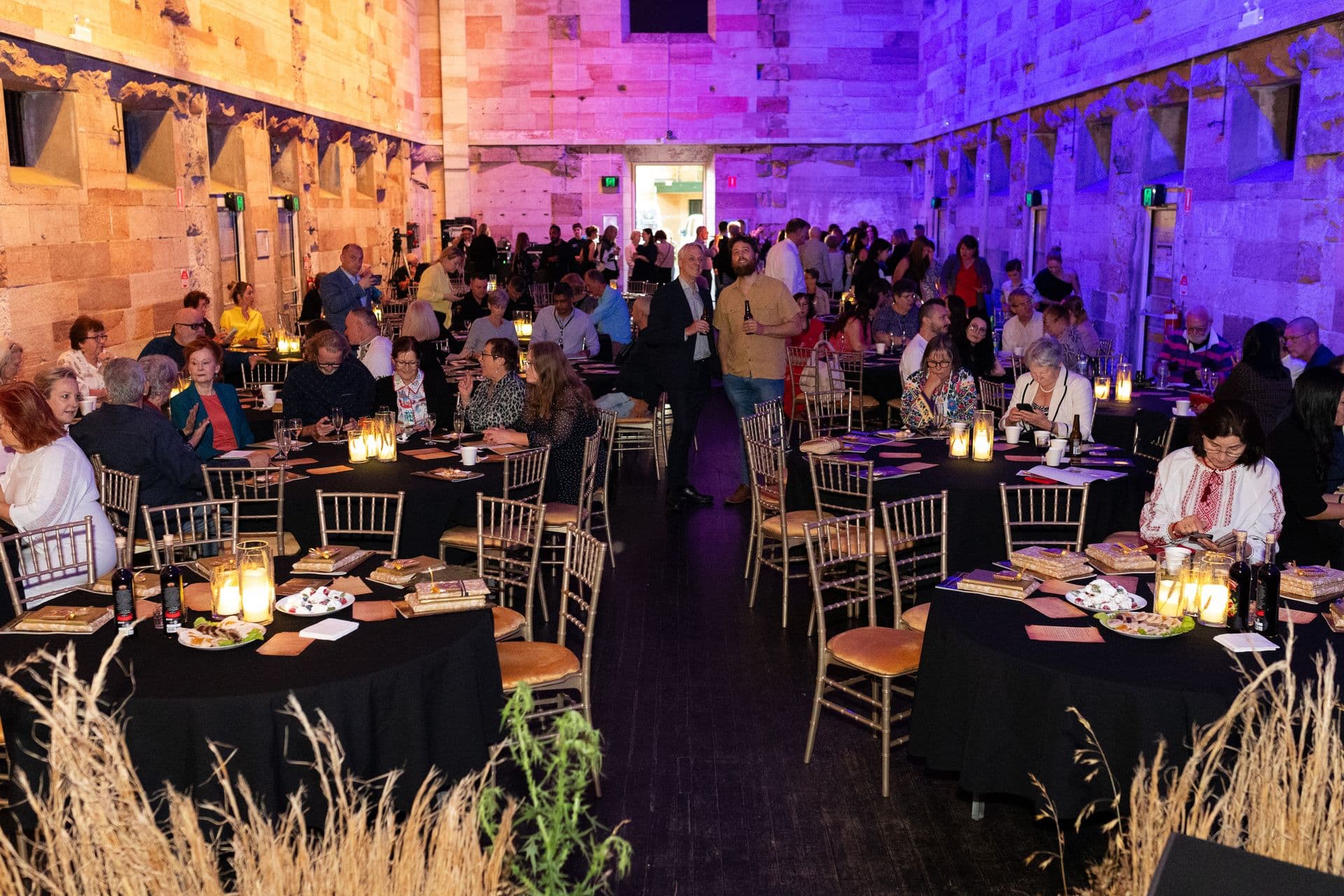
Heartlands offered audiences a deep experience of Ukrainian culture through poetry, music, storytelling, food, and shared presence. To my knowledge, it was the most substantial Ukrainian literary performance ever staged in the Southern Hemisphere, and I am proud to have supported it.
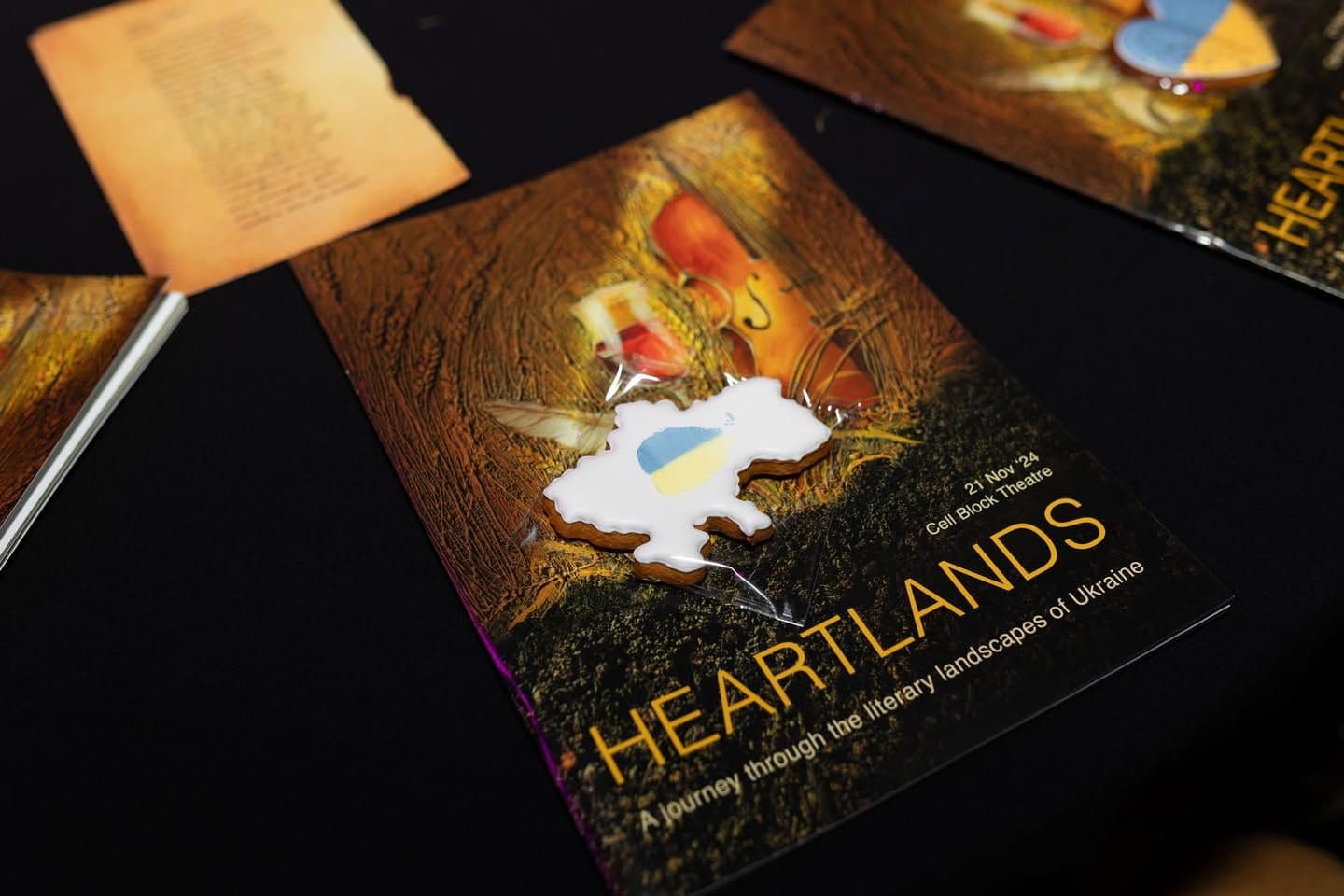
My role extended across the full visual identity of the event. I created the key artwork used throughout all materials, designed print collateral including posters, programmes, and food signage, developed digital assets for multiple platforms, and contributed to stage design. During the performance, my artwork formed the visual backdrop on the large screen behind the performers, shaping the atmosphere of the evening.
Heartlands remains one of the most meaningful projects I’ve been involved in — a genuine fusion of art, culture, and community, and a reminder of how creative collaboration can carry both beauty and purpose.
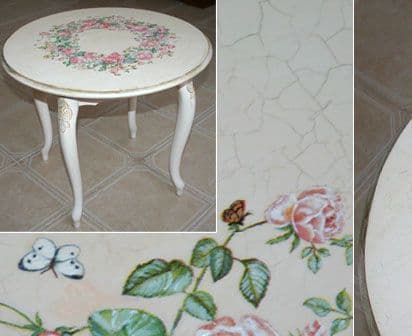
Furniture Decoration — Art You Can Live With. Working with furniture brings me a particular kind of joy. Three-dimensional objects are experienced from all sides, revealing a different picture as you move around them. There is something deeply satisfying about applying art to forms that are not only observed, but used and lived with every day. Chairs, tables, cabinets, and screens become surfaces where colour, texture, and form extend beyond the wall. Decorated furniture has the power to anchor a room. It can become a focal point, decisively unify a colour palette, or bring cohesion to an interior style. When art moves into functional objects, it becomes part of daily rituals, adding character and warmth to everyday moments. The process becomes even more meaningful when an old piece is given a second life. Repairing, recolouring, redesigning, reimagining, and reusing transforms something forgotten into something personal and renewed. Furniture decoration is, for me, a way of combining creativity with care — honouring what already exists while shaping it into something fresh, purposeful, and full of story.
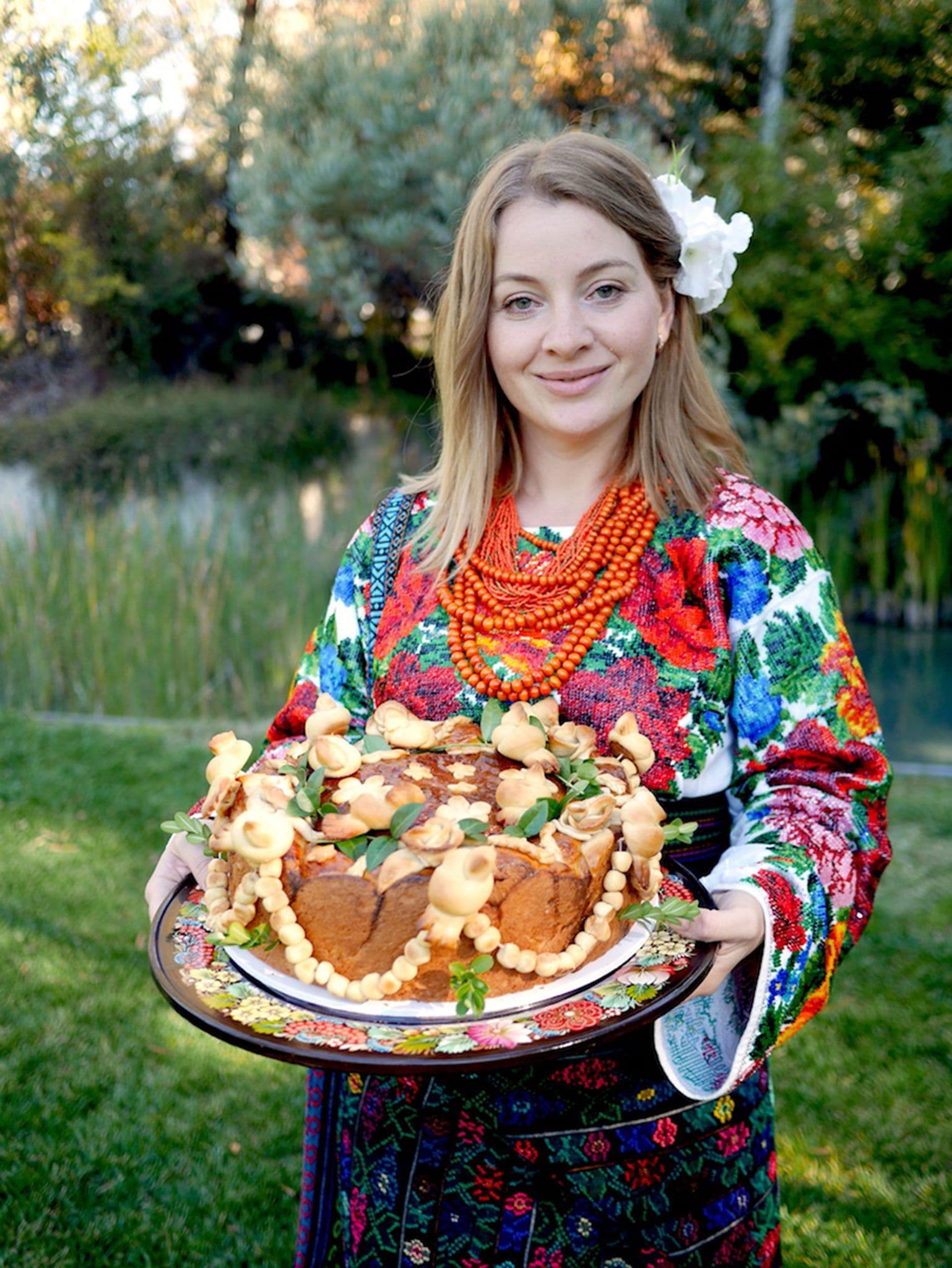
Cultural Production at Scale: Behind the Scenes of Diplomatic Performances. Large-scale cultural productions rely on careful planning, close collaboration, and deep respect for historical detail. The costume performance at the National Gallery of Australia, Canberra, in 2019 was the most complex project of this kind that I coordinated. It was created for the Embassy of Ukraine and the Ukrainian Women’s Association, and held in honour of the late Christine (Hrystyna) Syvenkyj-Bailey, whose lifelong dedication to Ukrainian cultural heritage continues to resonate deeply. The project required working across multiple teams and private collections to deliver a unified and meaningful performance for a diplomatic audience. For this event, I coordinated 29 models and 17 private collectors, alongside multiple cultural organisations and contributors, bringing together diverse elements into a single coherent presentation. Every detail — from costume construction to the order of presentation — was carefully curated to communicate a clear cultural narrative. My responsibilities spanned curatorial decision-making, logistical coordination, visual design, and narrative development, ensuring that each component supported the overall experience. An earlier performance in 2018, initiated by Christine Syvenkyj-Bailey, was created primarily on the basis of her personal collection. My role focused on shaping the presentation, coordinating contributors, and translating the collection into a clear and engaging public performance. Creating region-appropriate floral head wreaths and jewellery for such a large number of models was particularly challenging, both creatively and logistically. Managing the transport, handling, and return of numerous historical and handmade items required precision and care, but the process was completed successfully without loss or damage. Following the event, I designed a commemorative calendar featuring photographs taken during the performance by Tetiana Matsypura, extending the life of the project beyond the event itself.