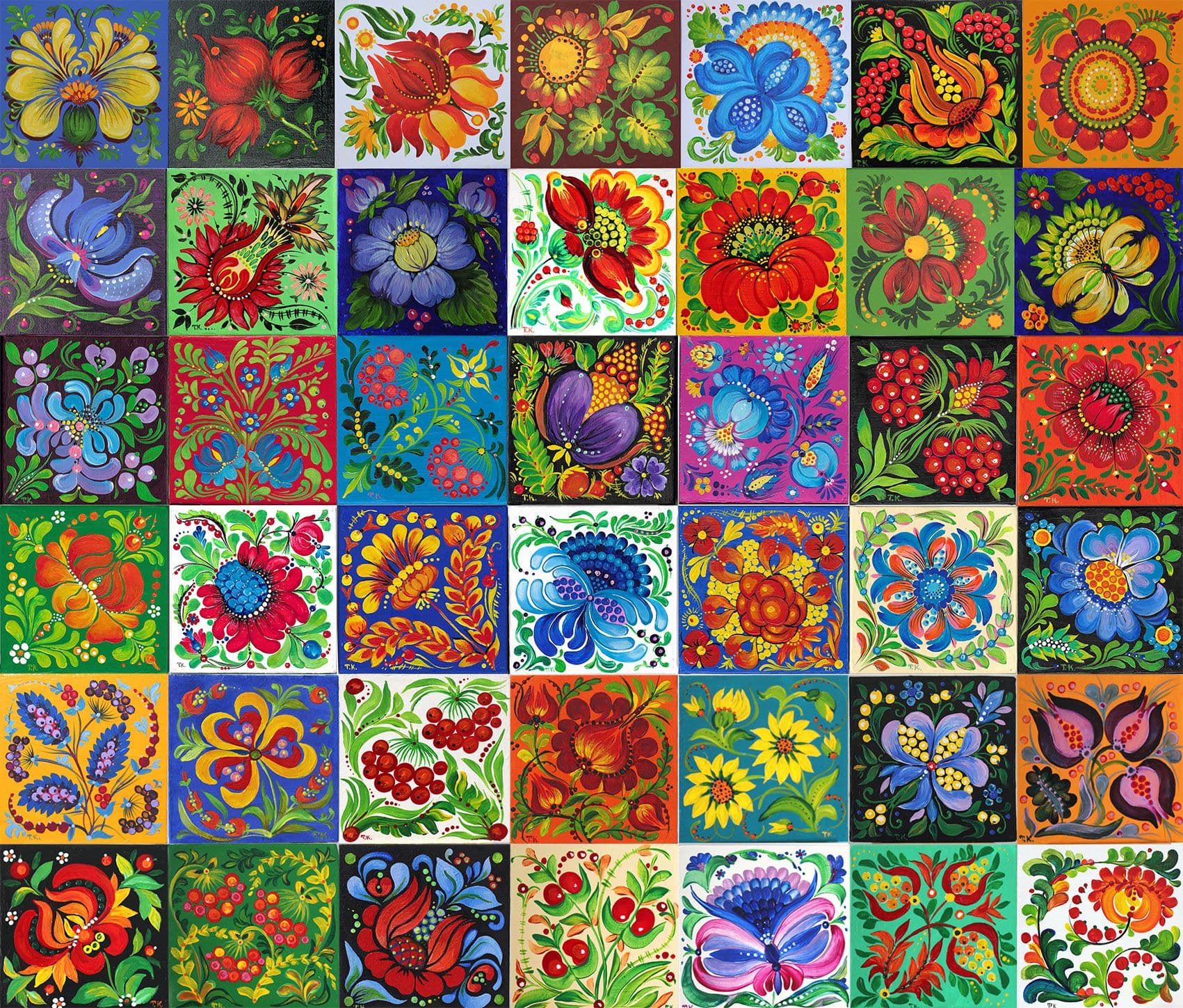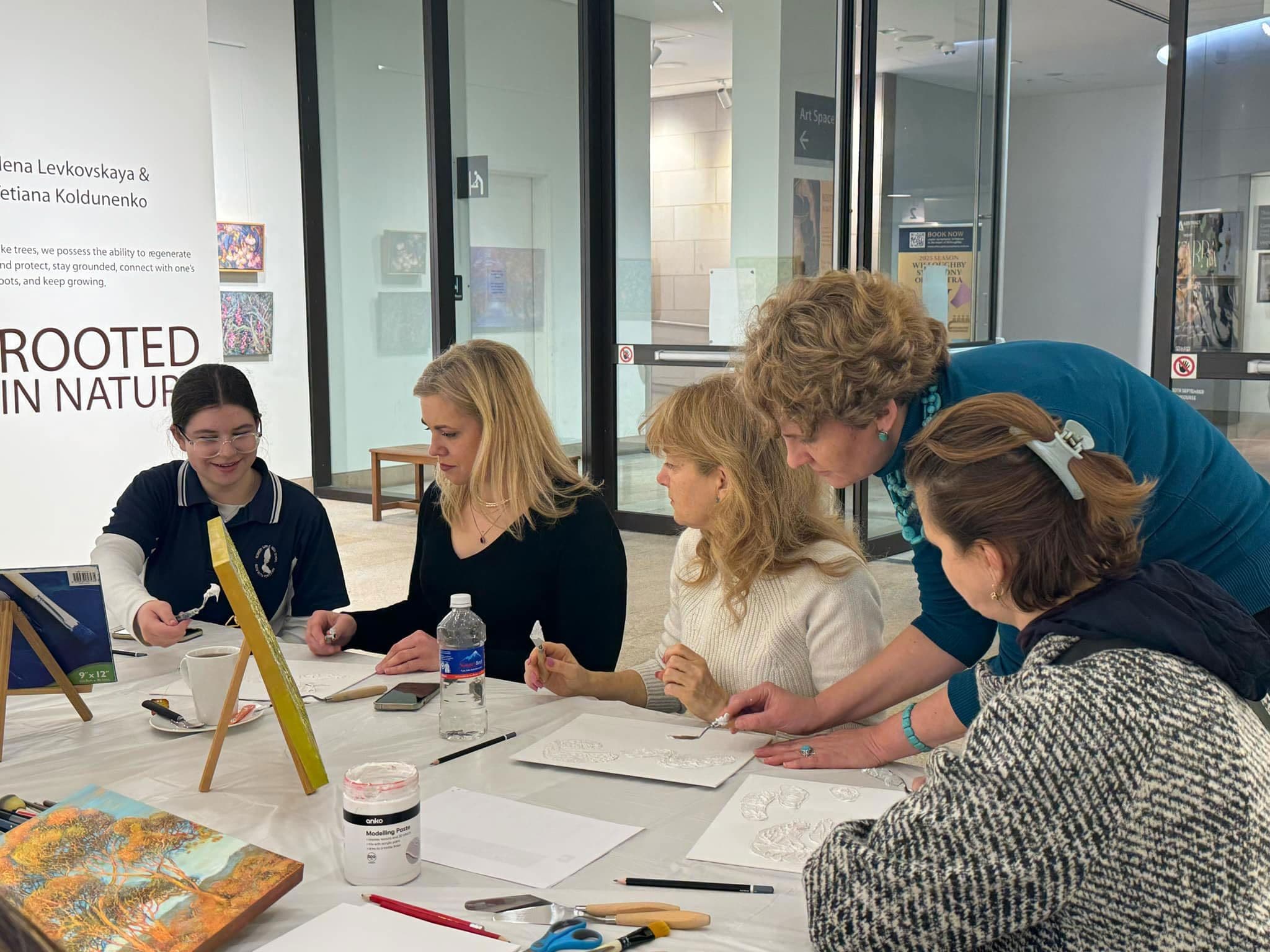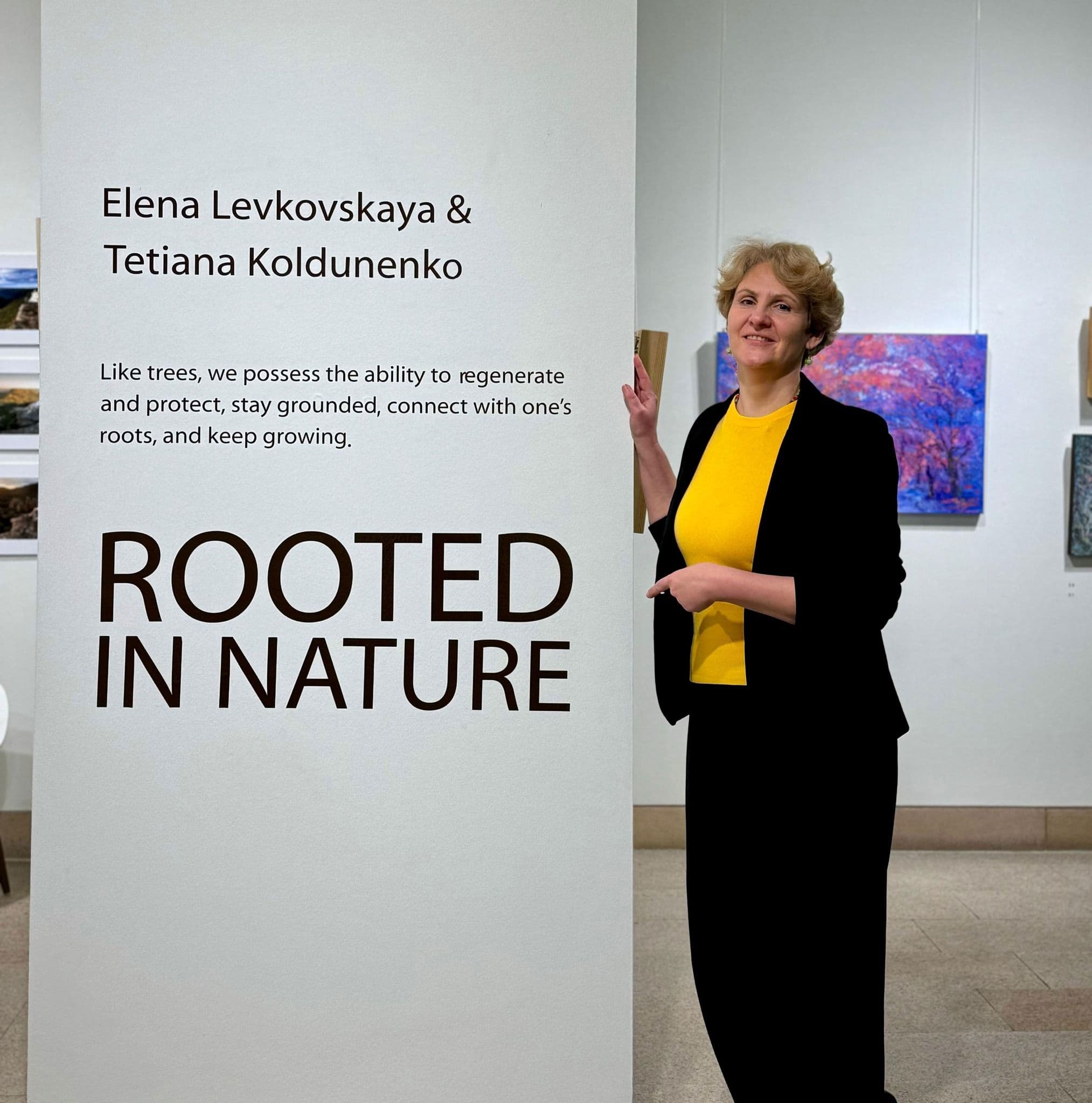
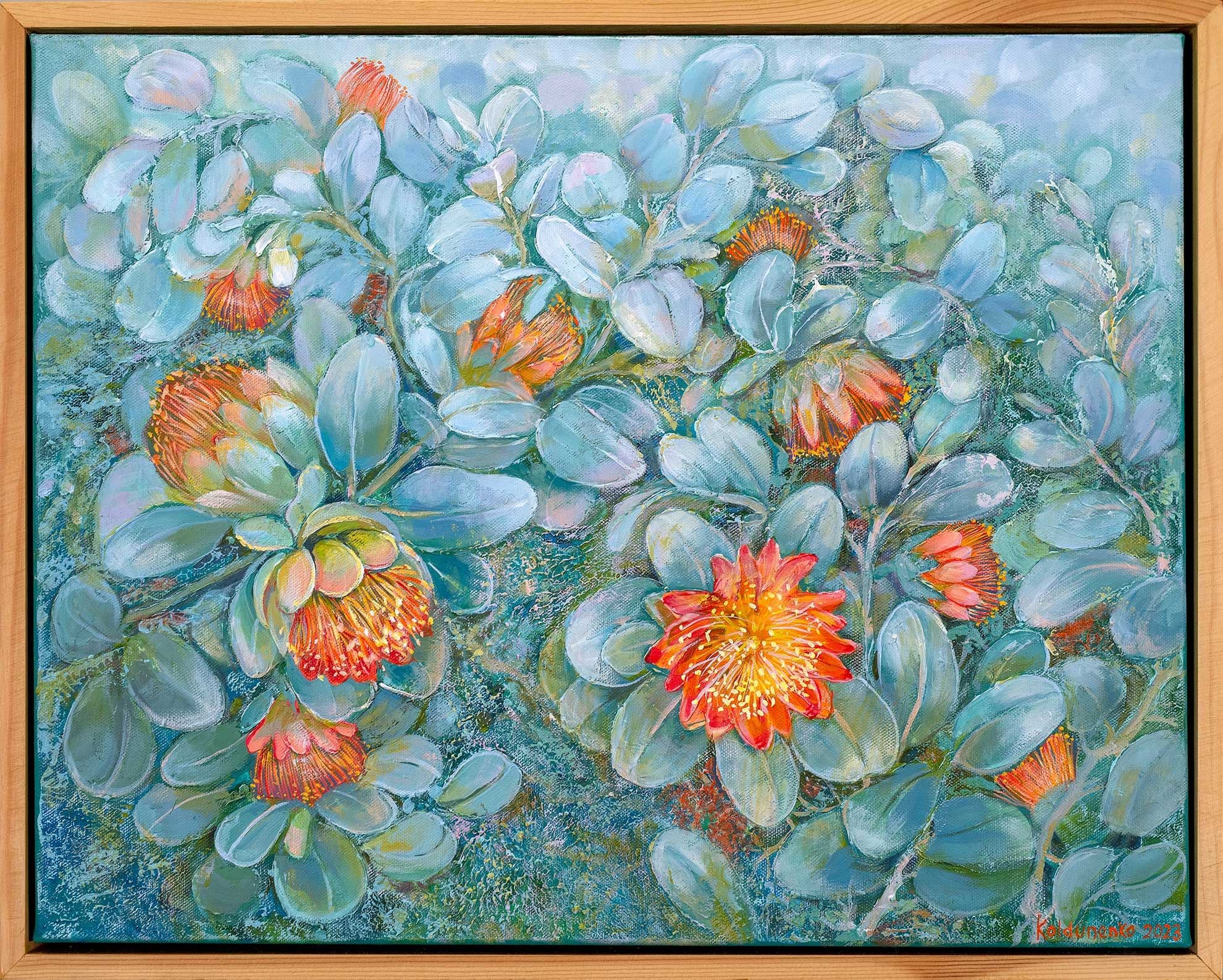
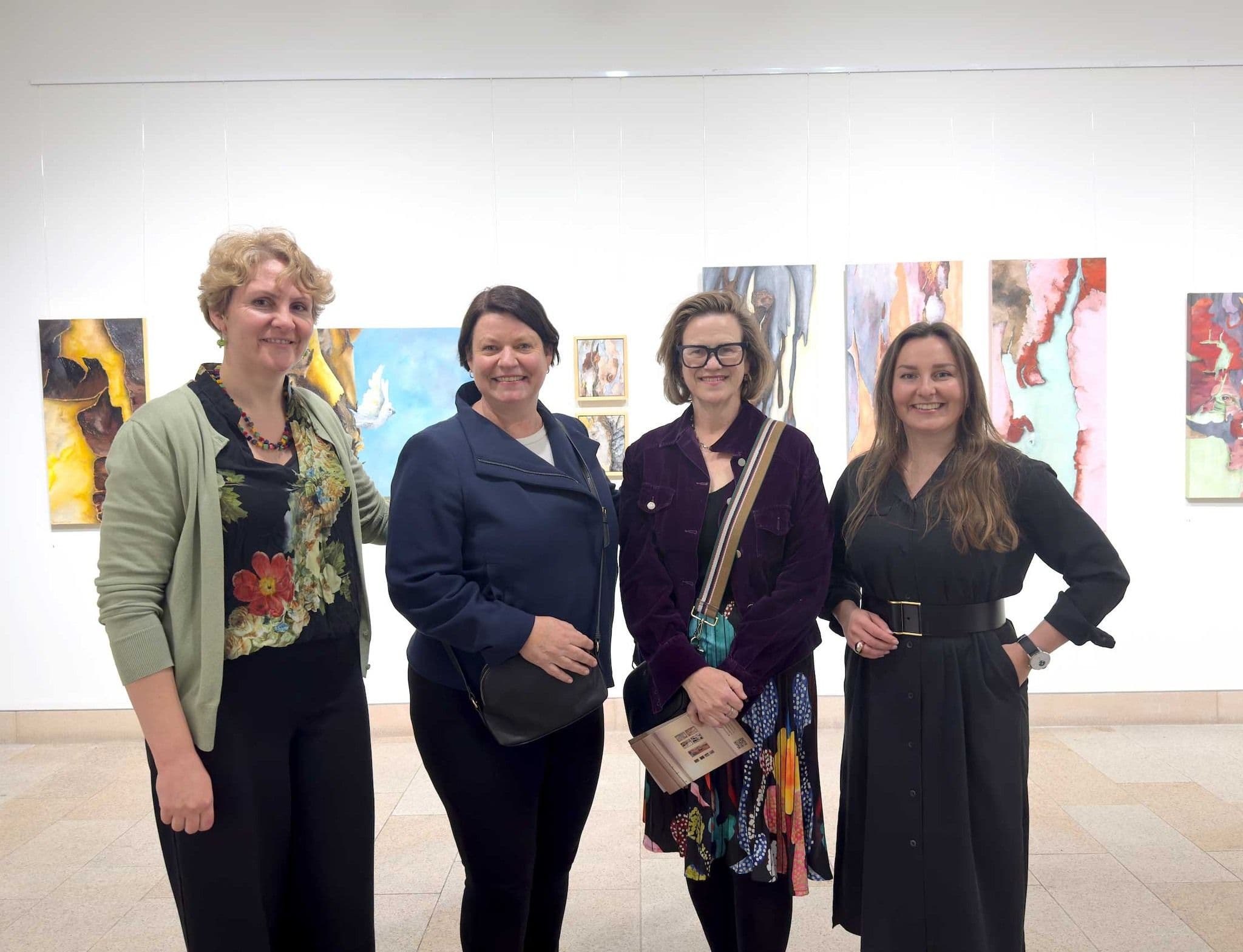
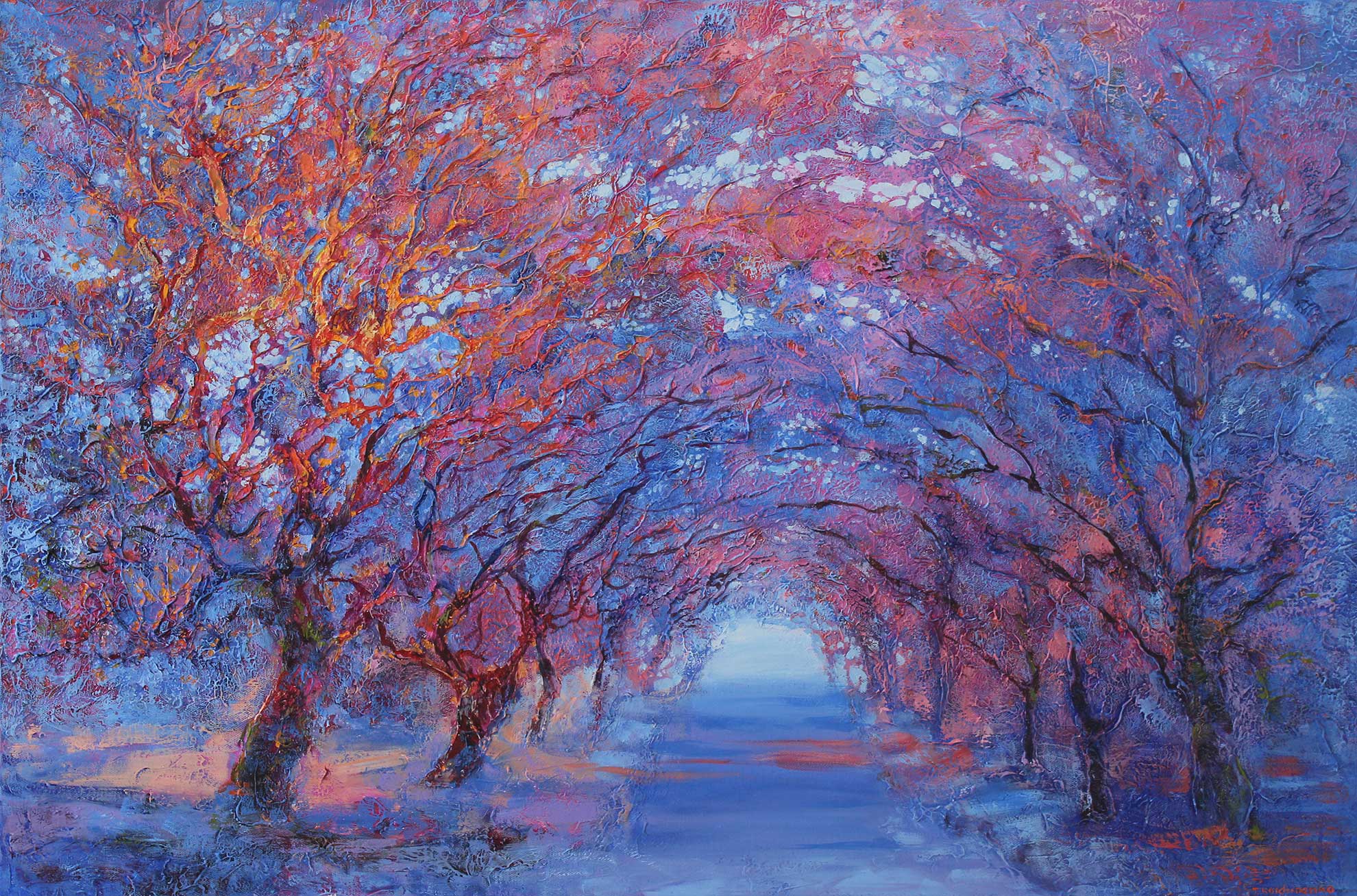
Our double solo exhibition at Chatswood Art Space on The Concourse was an experience we will long remember. A heartfelt thank you to everyone who visited, supported the exhibition, and purchased artworks — your engagement made this show truly meaningful.
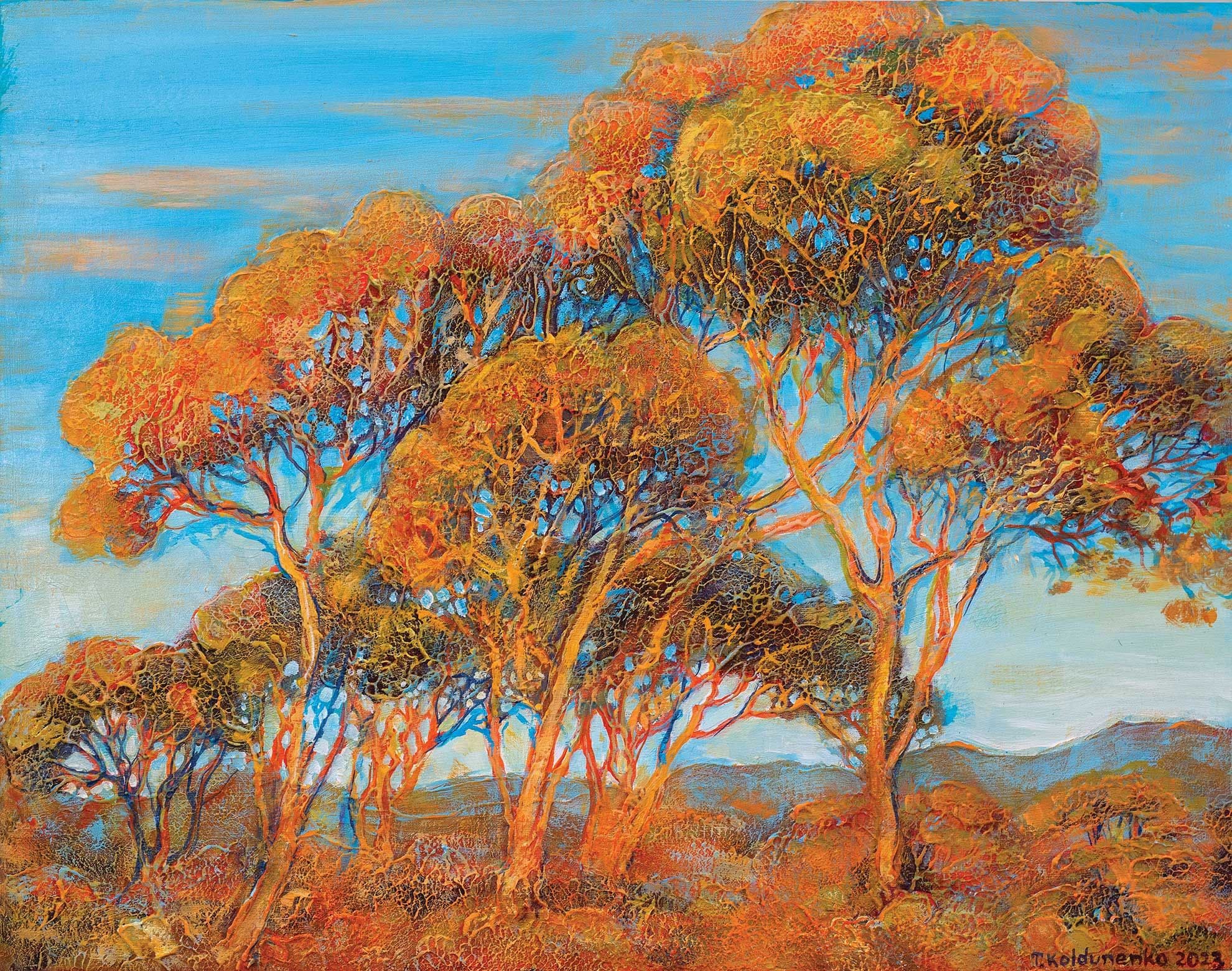
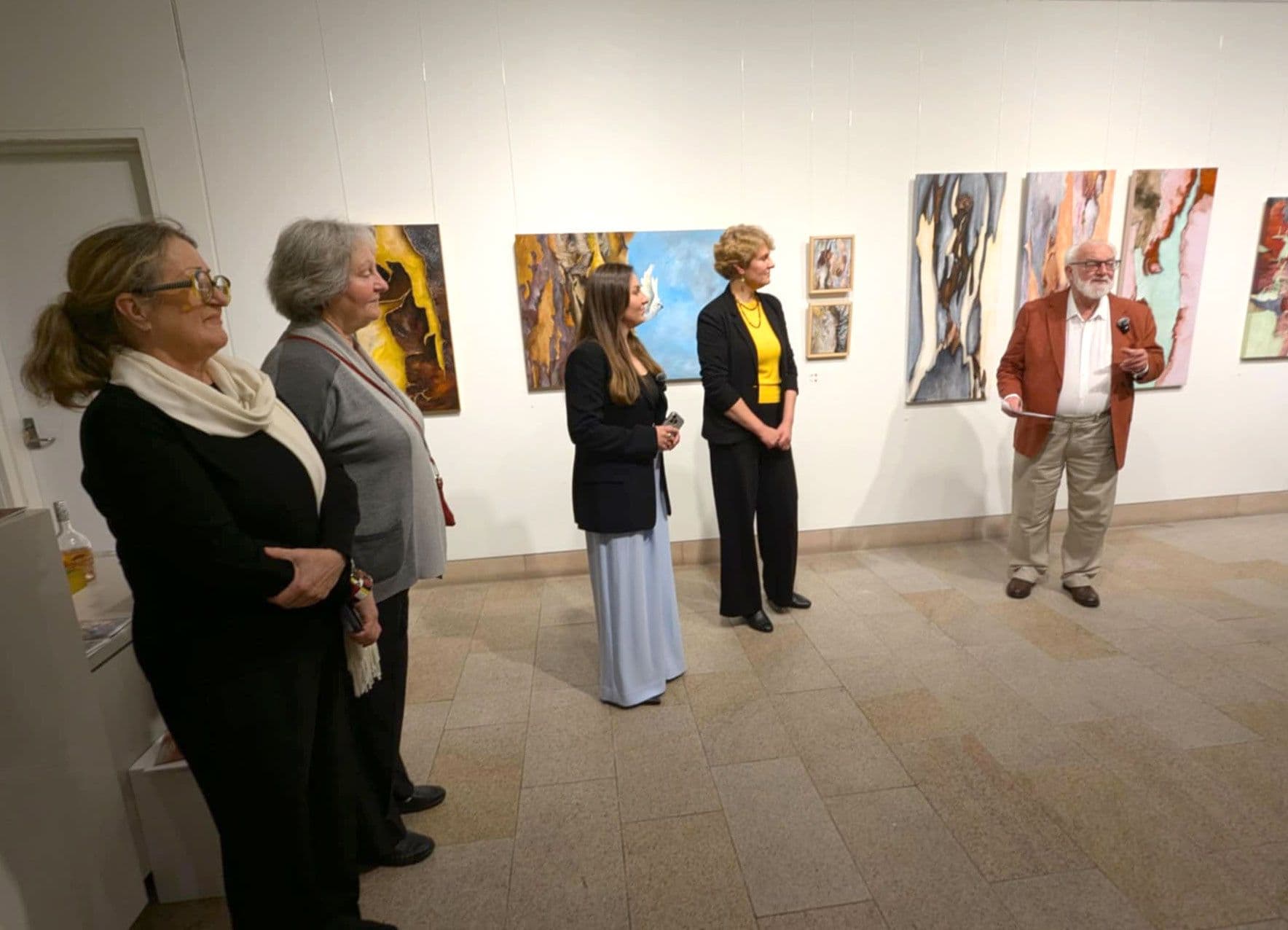
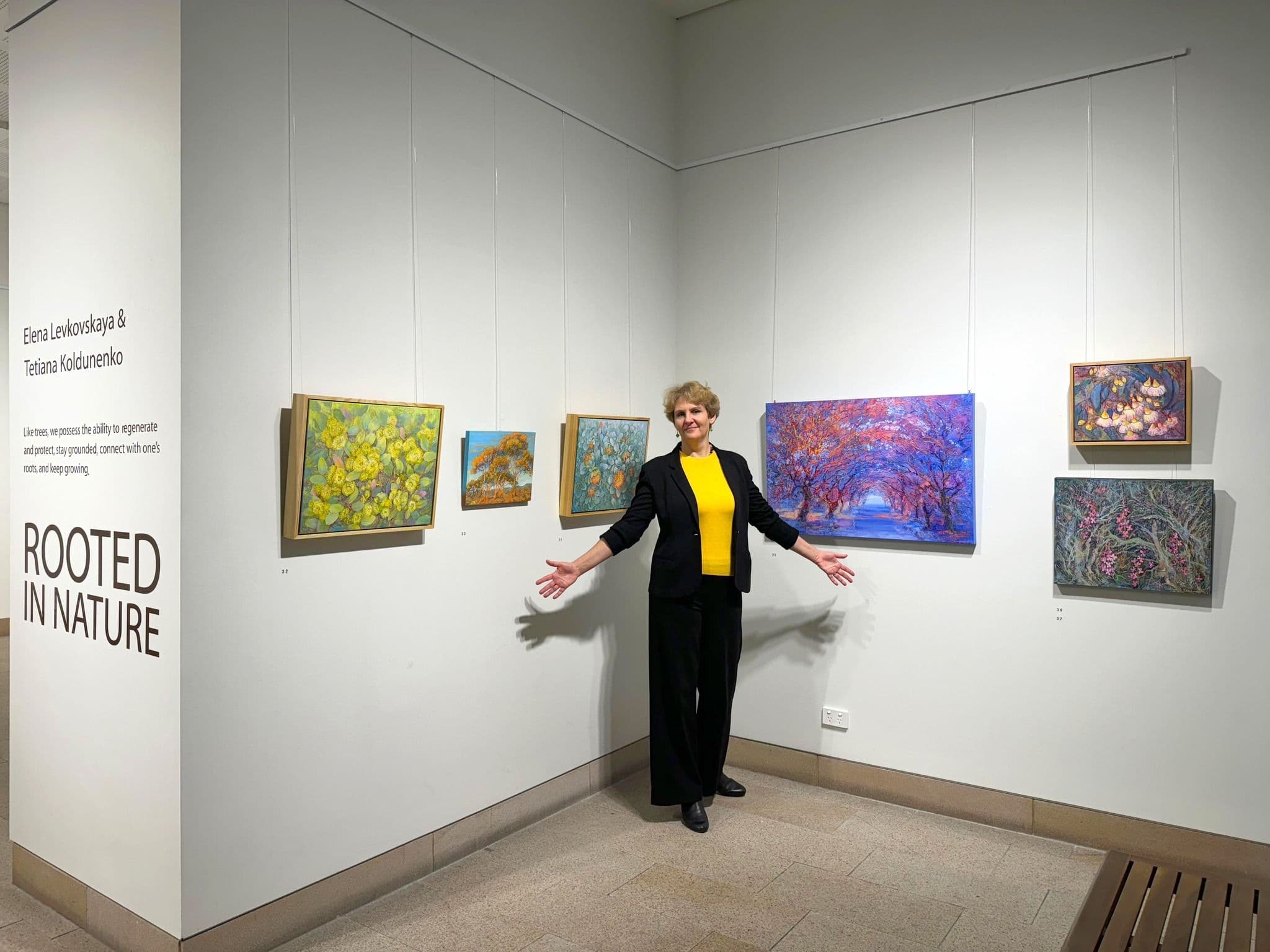
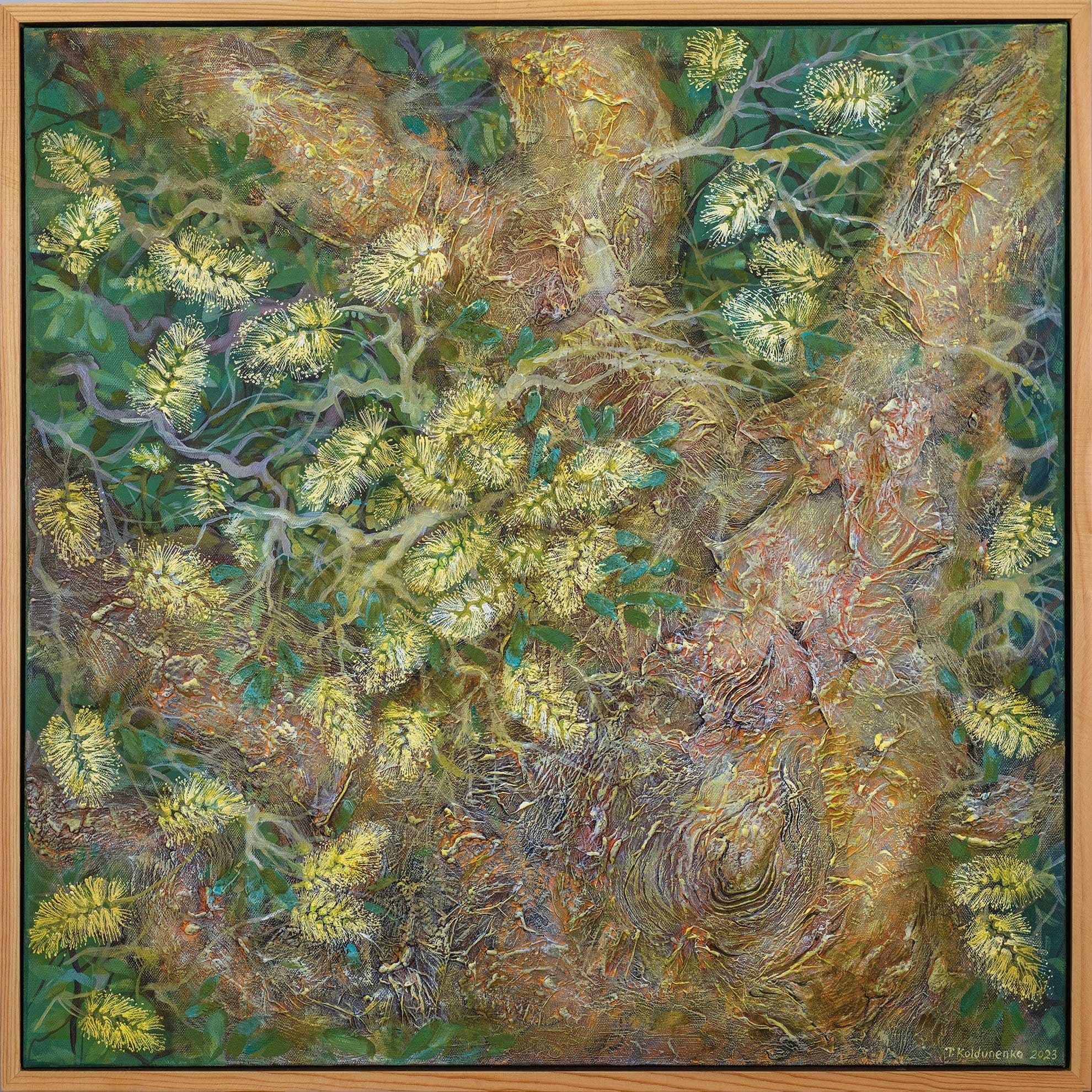
Out of my 28 artworks presented (18 on the walls and 10 in storage), 19 have found new homes. Over the ten days of the exhibition, we had the privilege of speaking with around 600 visitors, and we are deeply grateful for the thoughtful feedback and personal stories shared along the way.
Special thanks go to the Willoughby Council staff and Mayor Tanya Taylor for their support and smooth organisation. We are also thankful to our guest speaker Alan Davies and musician Viktoria Stepanenko, whose contributions added depth and warmth to the opening evening.
The atmosphere throughout the exhibition was generous and engaging. We hope visitors carried a sense of positivity with them, and perhaps a renewed desire to connect with nature — something art does best when it is shared.
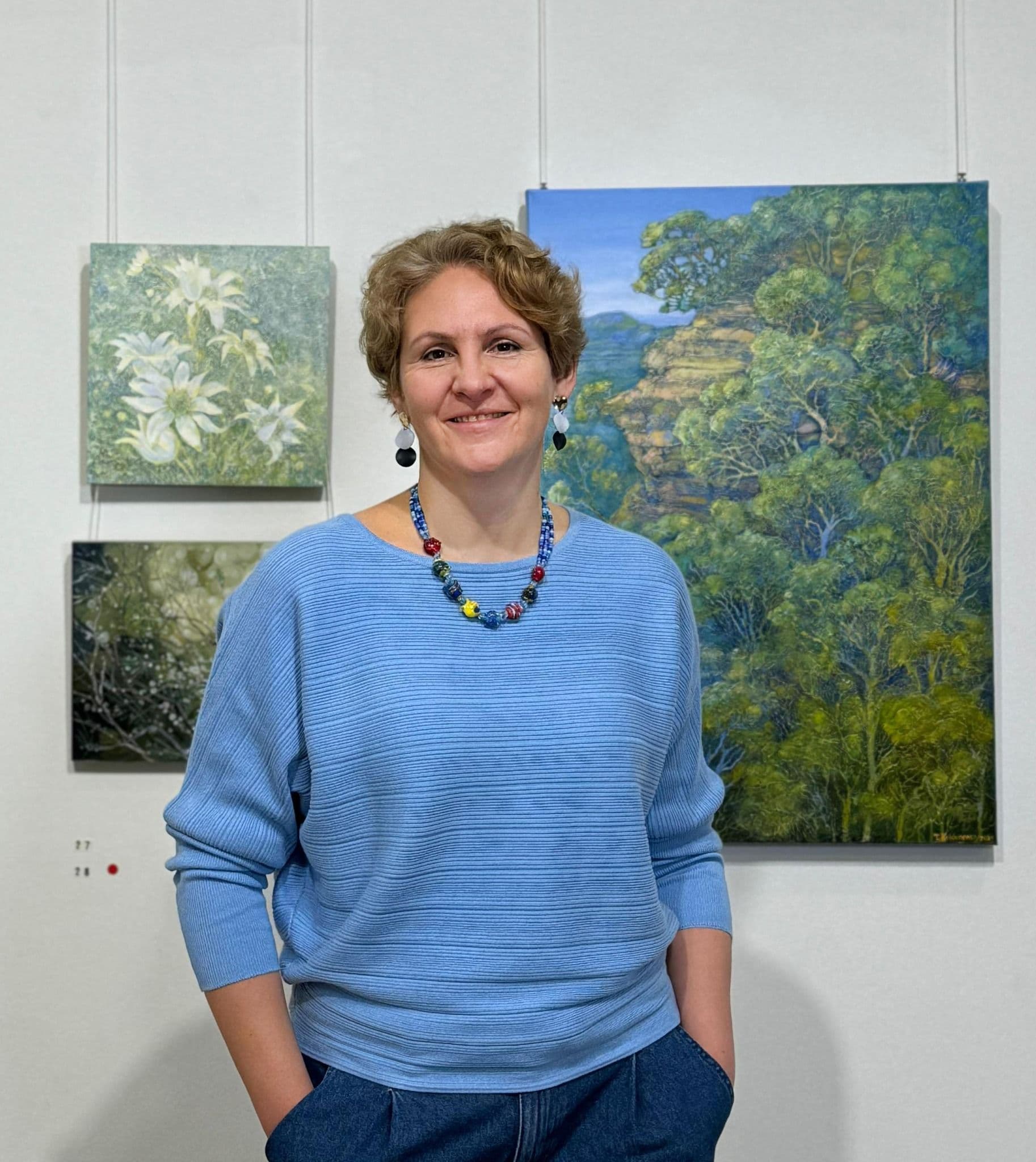
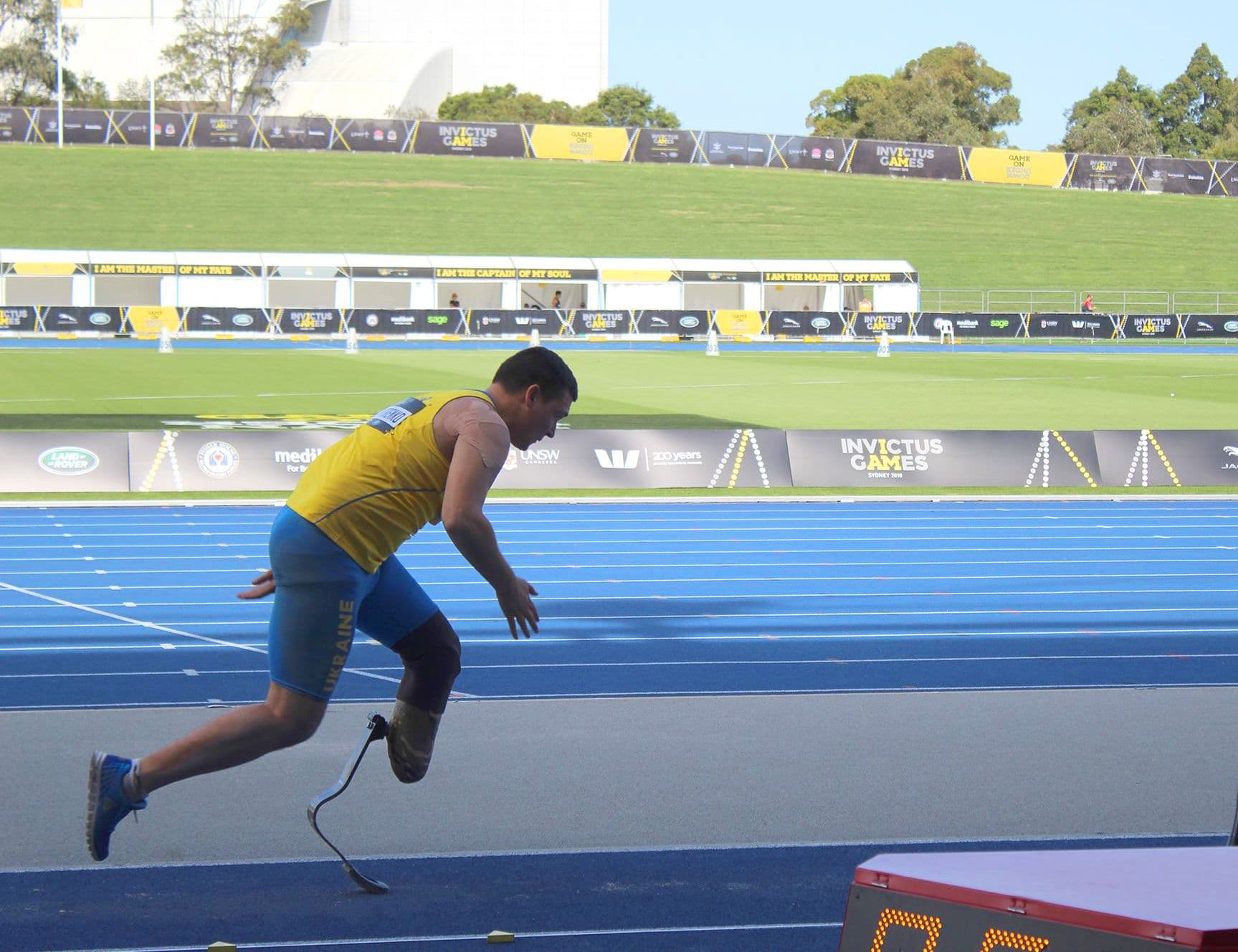
Photography is another way I tell stories. Through the lens, I focus on capturing the essence of a moment — and quite often, that essence is found in something simple and authentic, like a genuine smile. For me, photography is not about staging perfection, but about conveying mood, feeling, and the small details that make each moment distinct. My approach is grounded in clarity and intention: clean, uncluttered compositions mood-driven visual storytelling thoughtful styling, particularly in portrait work I enjoy creating portraits that feel natural, balanced, and well composed, as well as documenting events in a way that is honest, engaging, and true to the atmosphere of the moment. Whether photographing a performance, an event, or an individual, my focus remains consistent — imagery that communicates clearly and carries emotional weight.