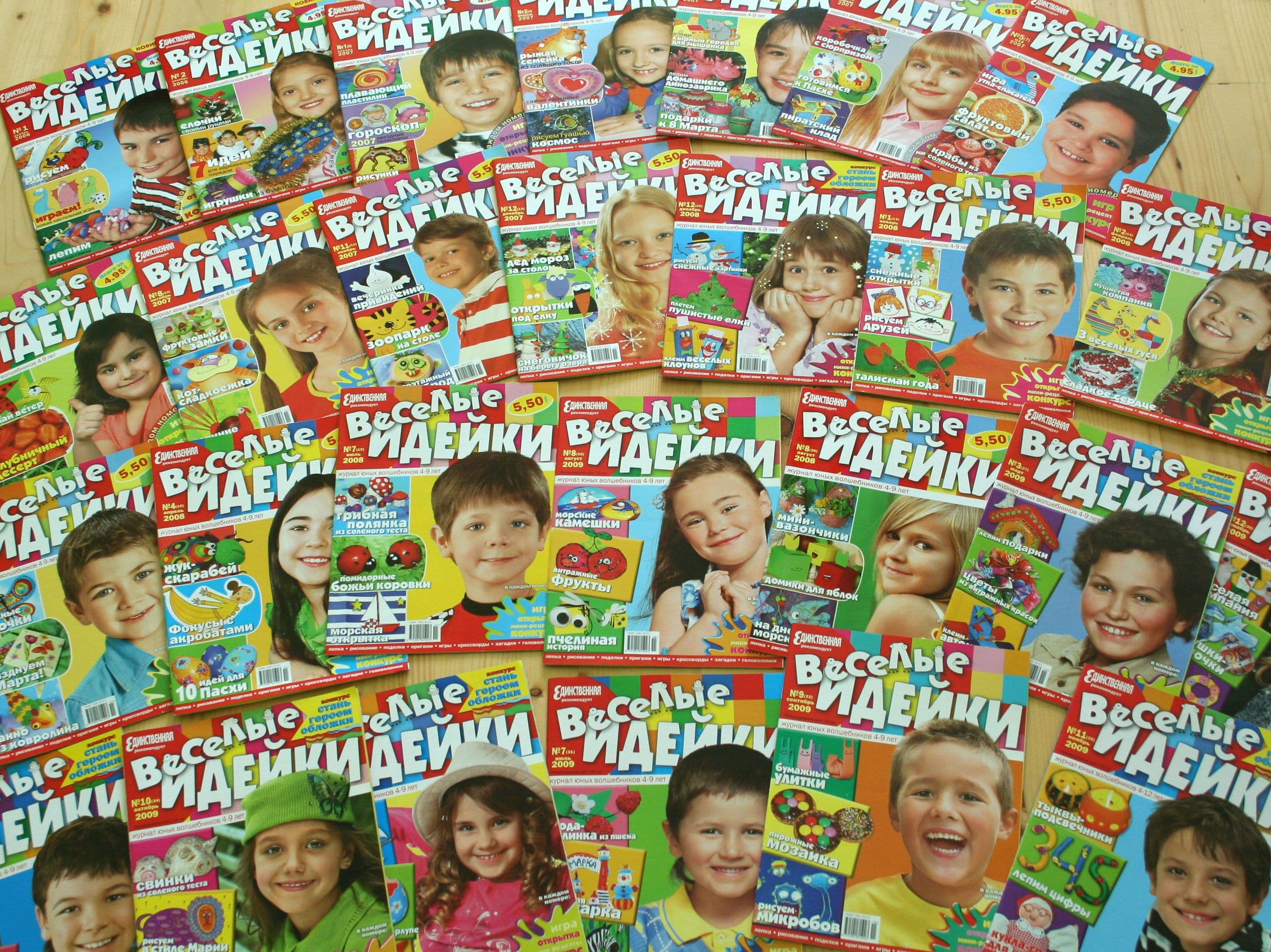
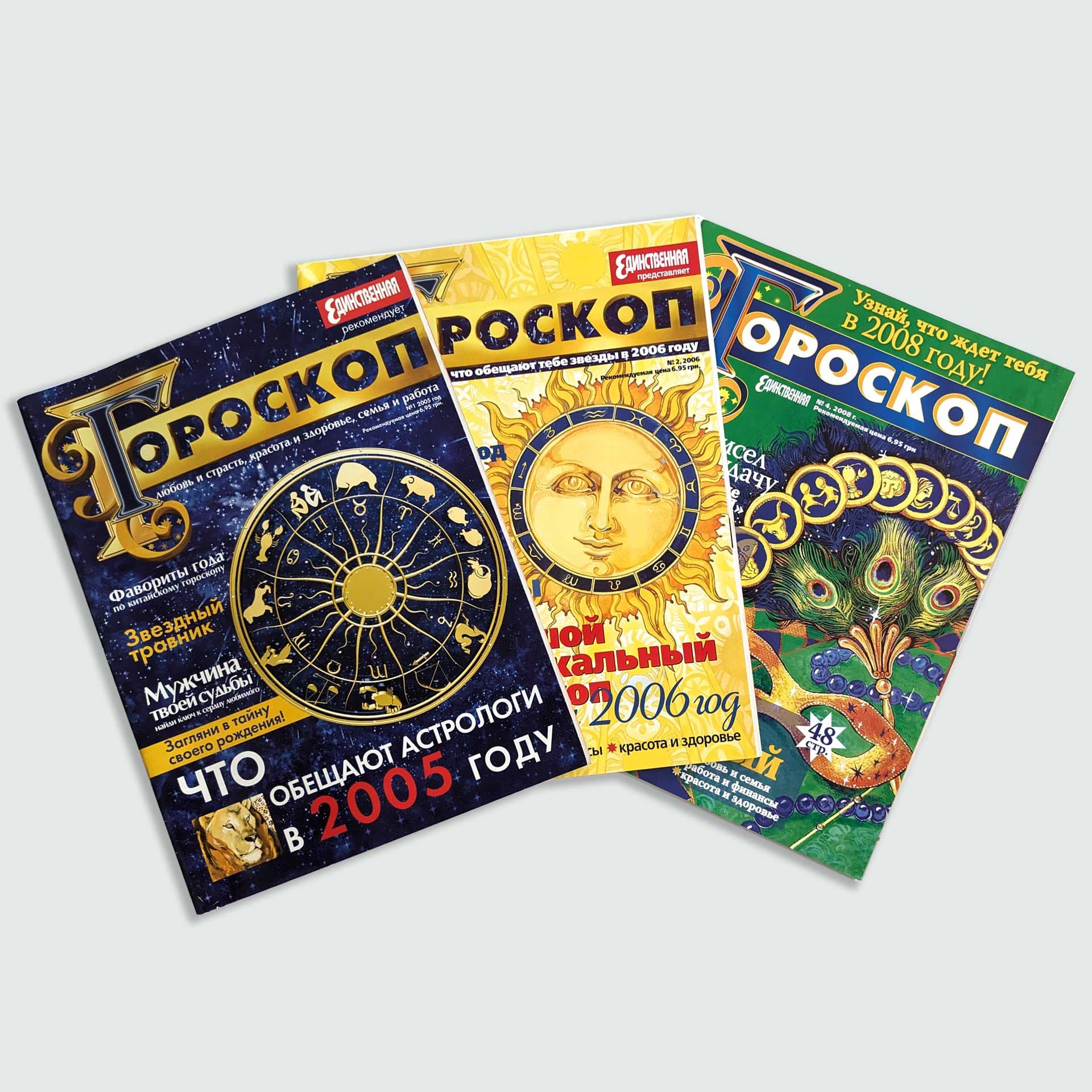
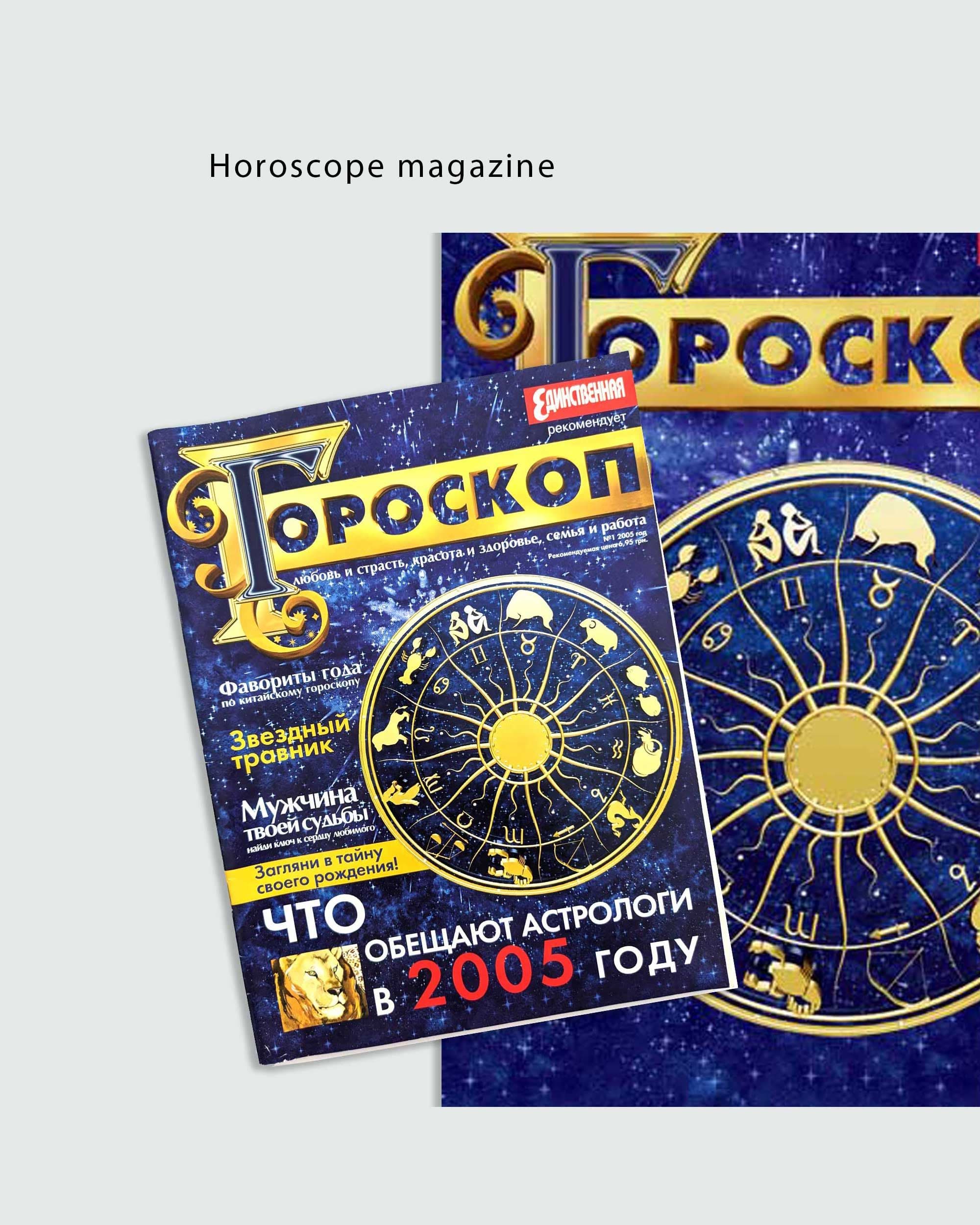
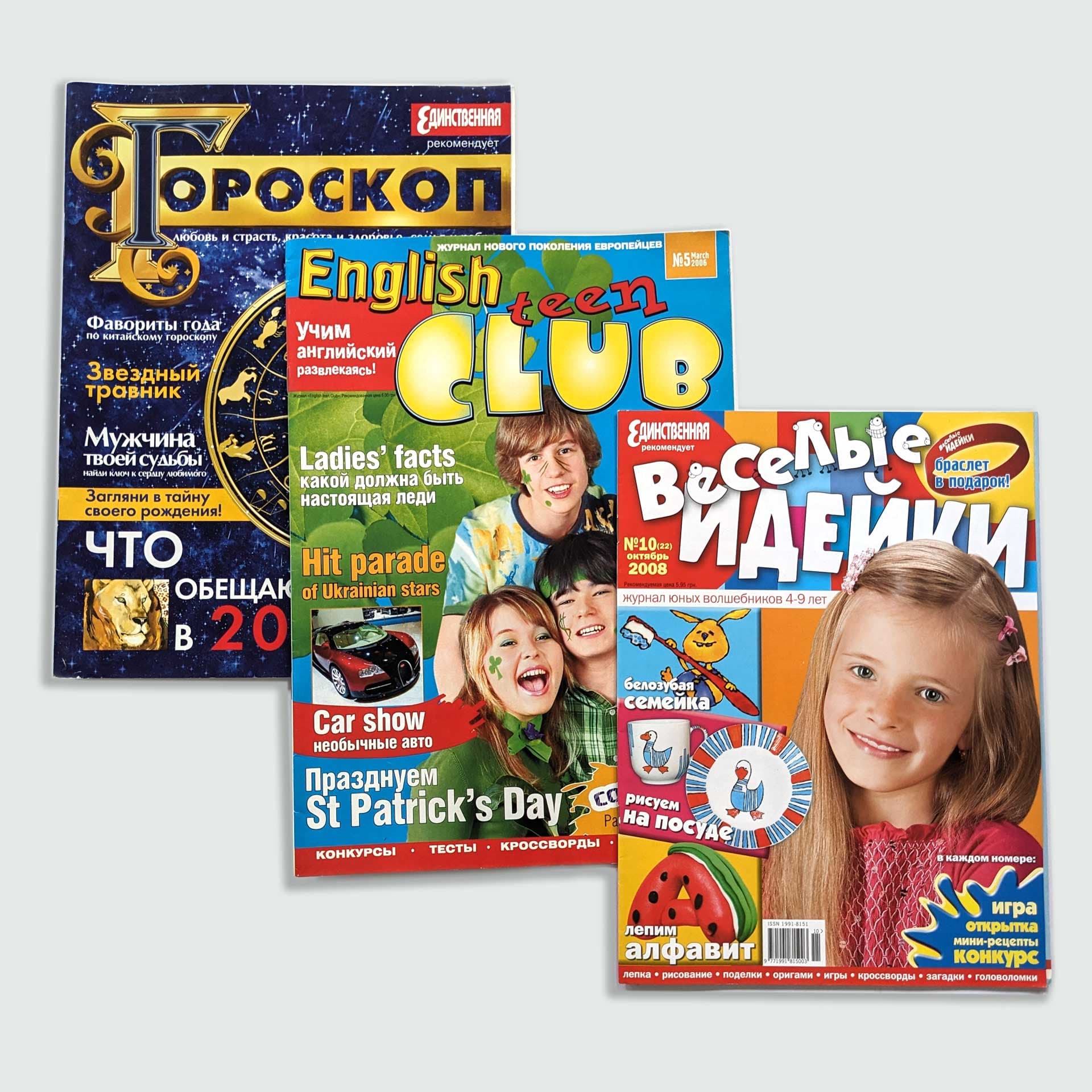
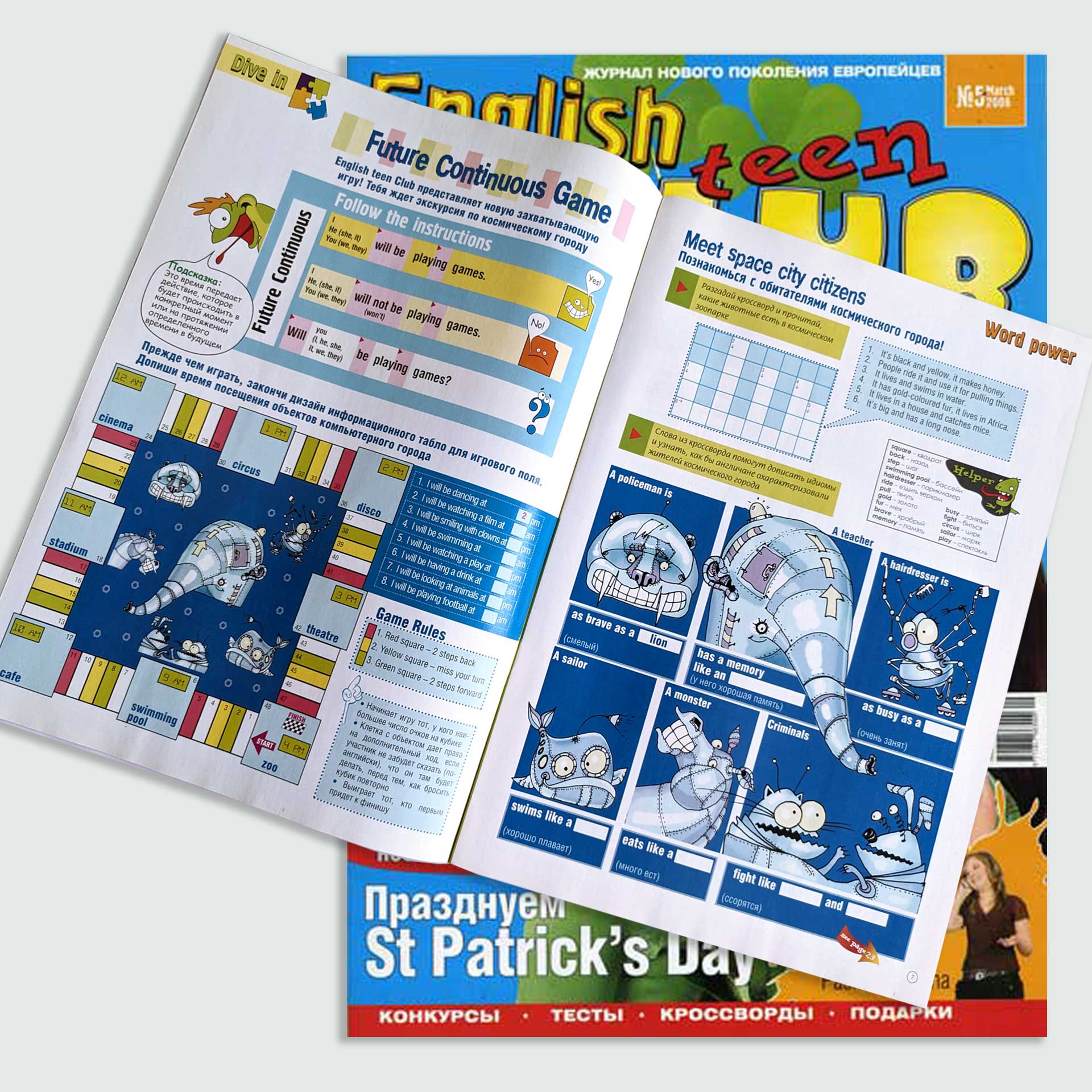
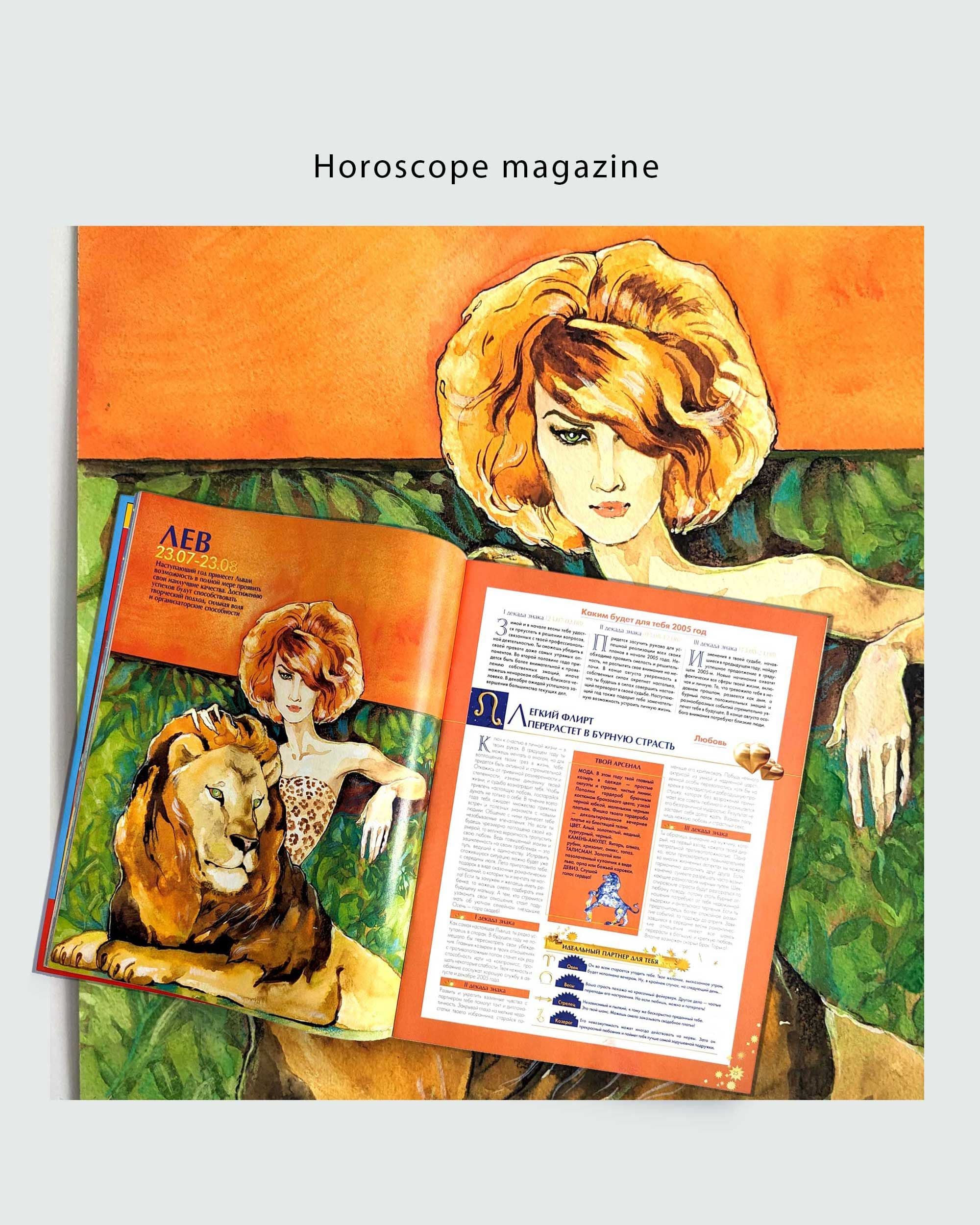
Before moving to Australia, I spent five formative years working at Edipresse Ukraine, an international publishing house. I began as a designer and illustrator and later took on the role of chief editor, alongside working as a photographer and illustrator. This period played a significant role in shaping my approach to clarity, storytelling, and creating strong, high-quality visual narratives.
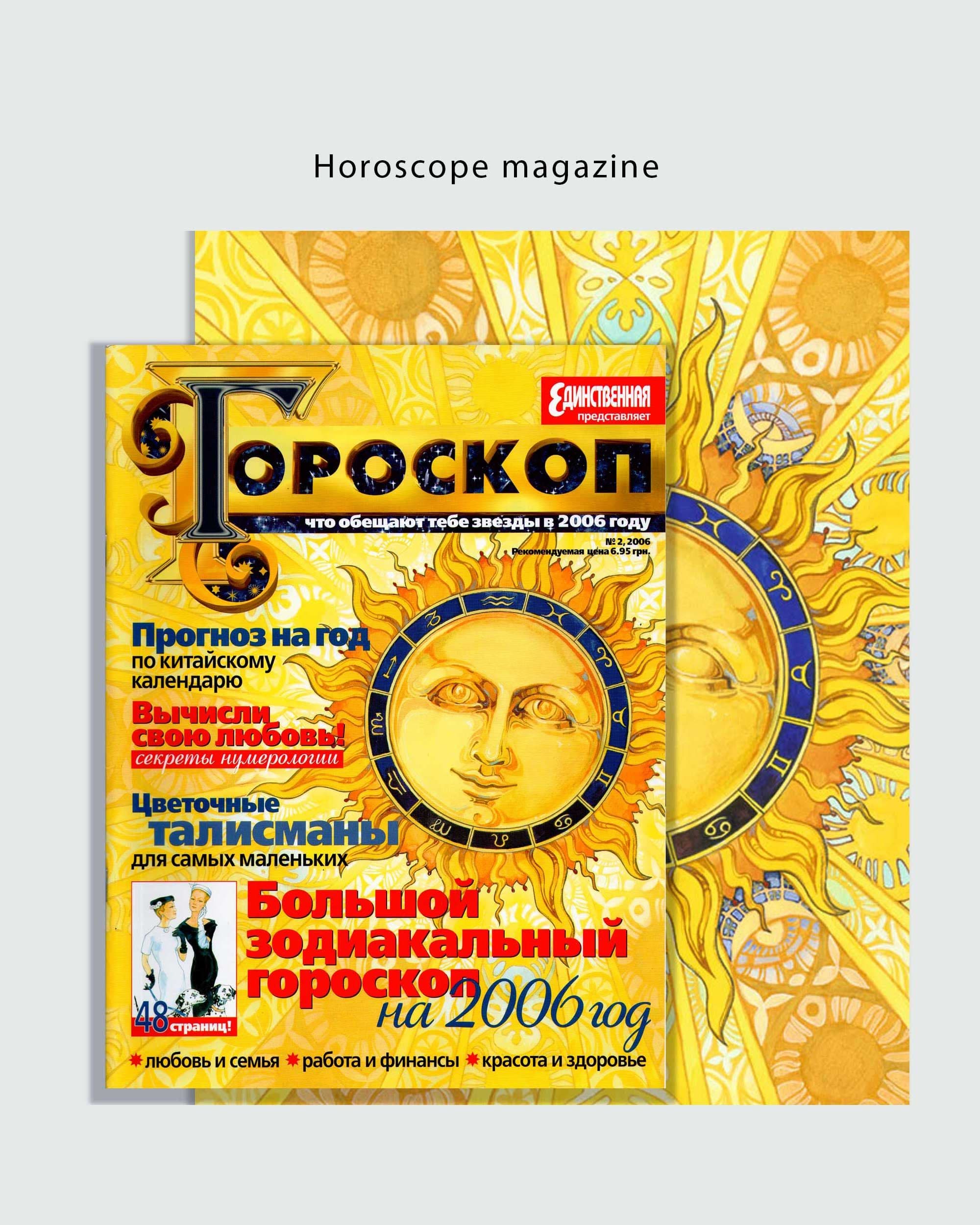
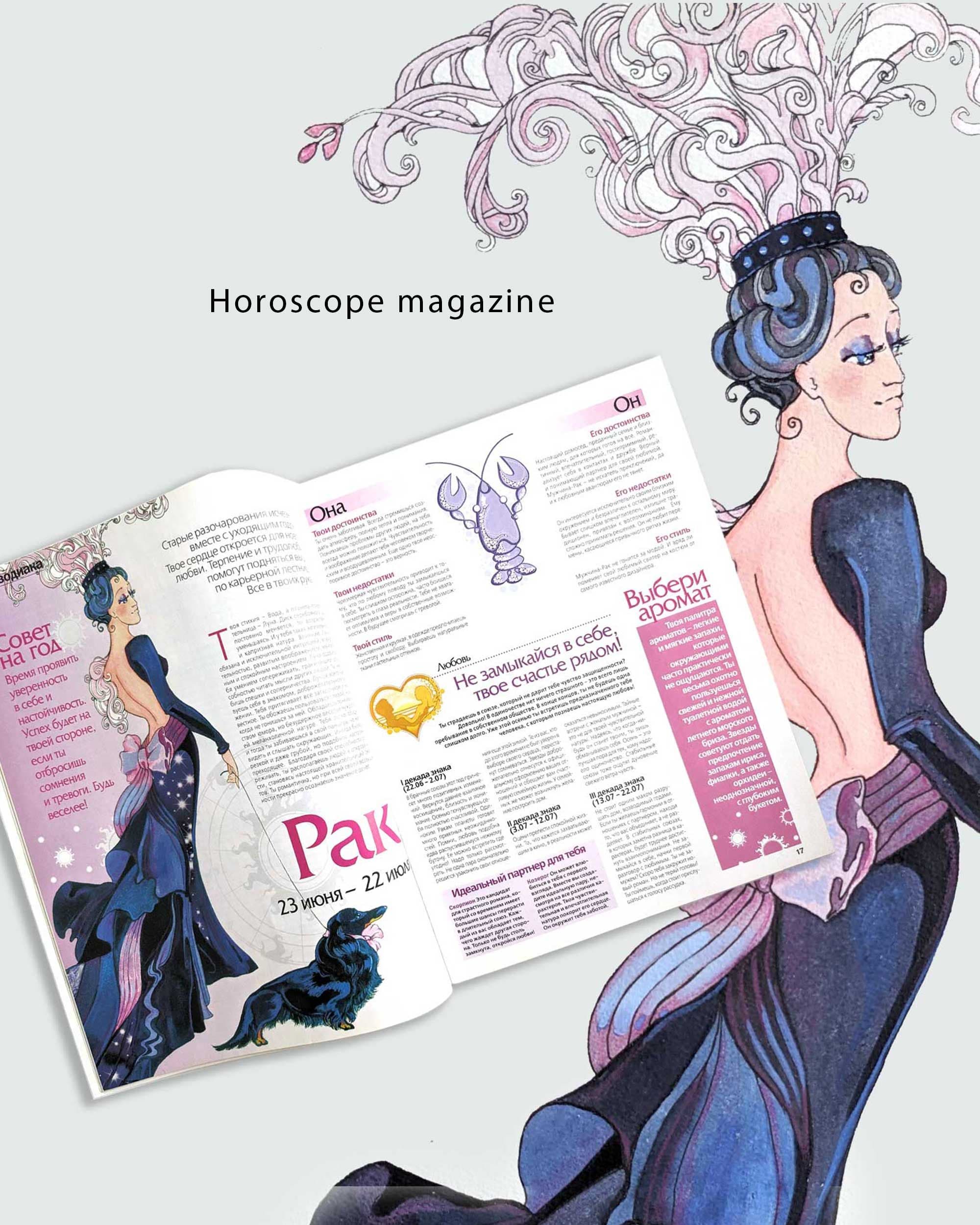
Between 2004 and 2009, I worked across a wide range of publications and roles:
Working within a fast-paced publishing environment taught me how to balance creativity with structure, deadlines, and audience needs. I learned how words and images support one another, and how thoughtful design can guide attention, communicate ideas clearly, and tell stories that engage readers of all ages.
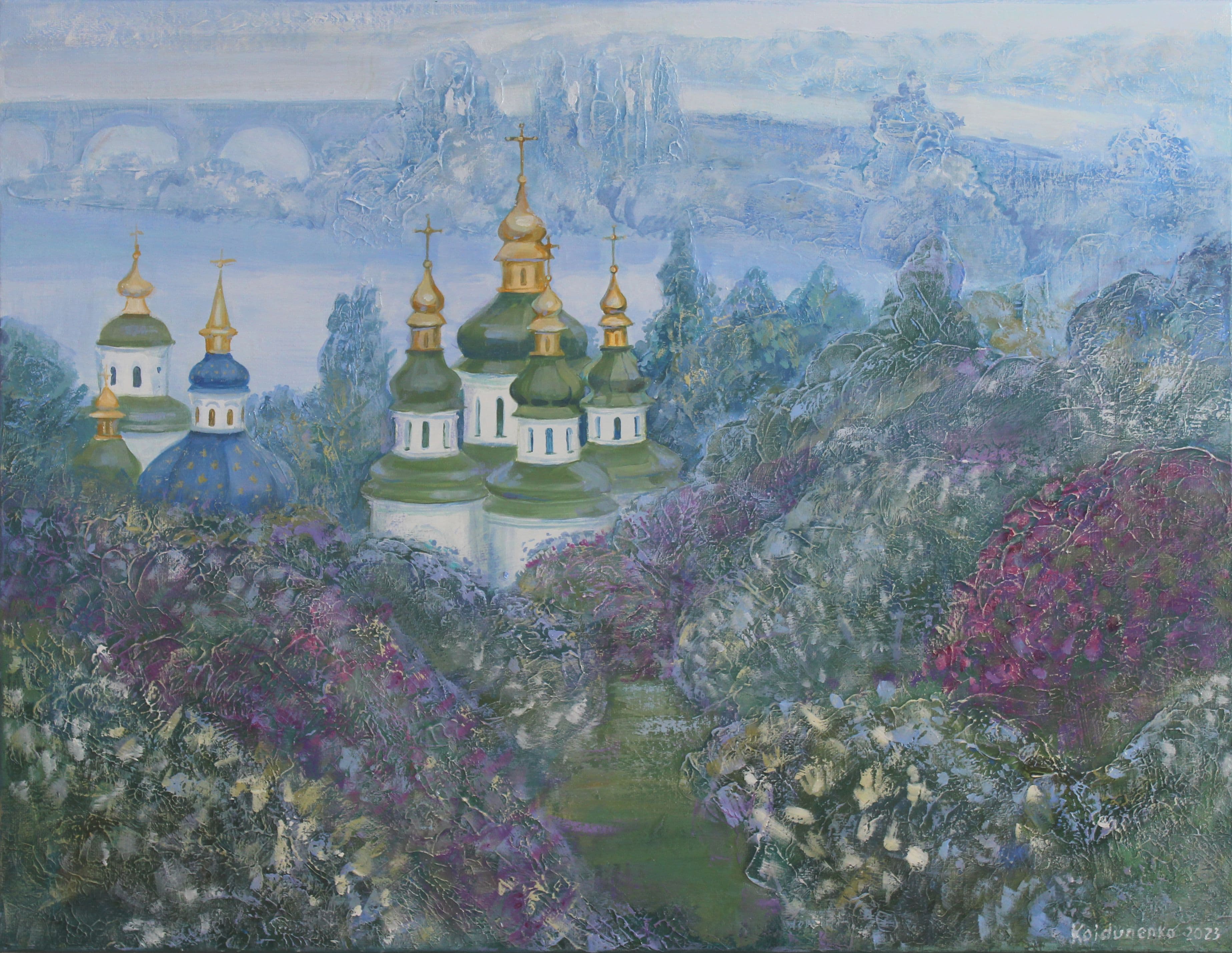
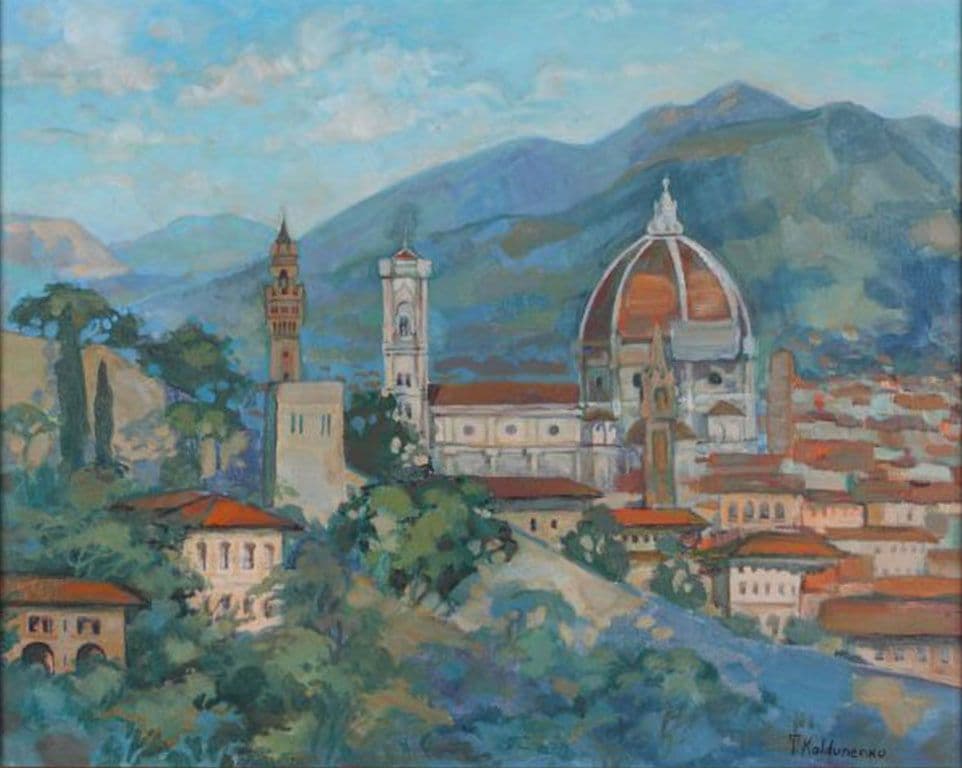
For me, as for many of my collectors, moving to Australia has been a blessed and life-changing experience. At the same time, it doesn’t erase the feeling of missing home. Memory travels with us — through seasons, colours, familiar landscapes, and small visual details that stay deeply rooted inside. Quite often, Ukrainian collectors commission artworks that reconnect them with home. These might be flowers remembered from a childhood garden, the softness of snow, the glow of golden autumn, or the unmistakable outlines of traditional Ukrainian architecture. These subjects carry emotional weight — they speak of belonging, memory, and personal history. I find great meaning in creating these works, because I share the same feelings. Painting nostalgic themes allows me to revisit places and atmospheres that shaped me, while offering others a visual connection to what they hold dear. The artwork becomes more than an image; it becomes a bridge between past and present, between where we come from and where we are now. Through these commissions, nostalgia turns into something tangible — a way to honour memory, identity, and the enduring connection to home, even when life unfolds far from it.
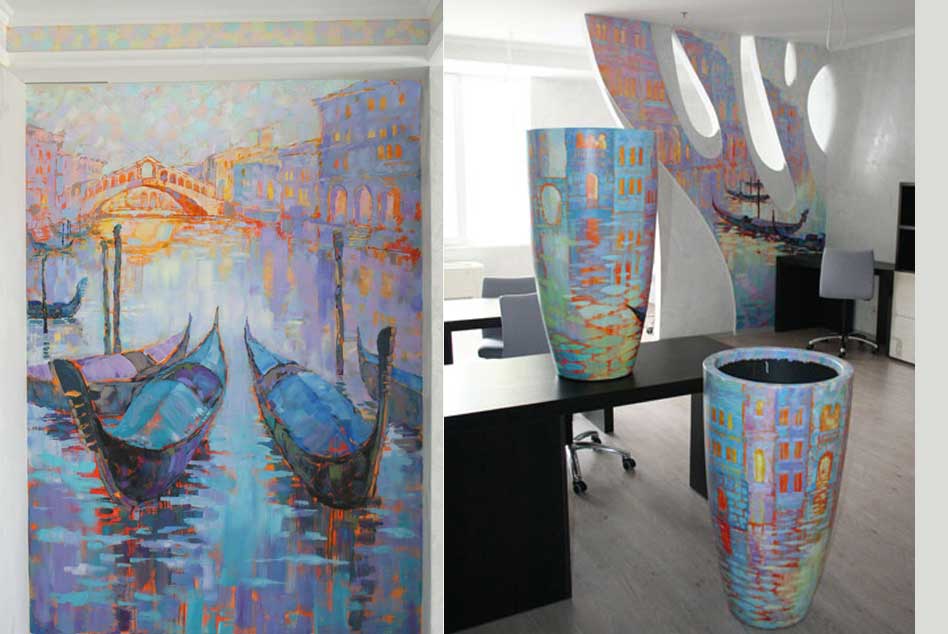
Murals are a powerful way to transform an interior, creating an immediate emotional response and a strong sense of place. Whether subtle and atmospheric or bold and expressive, a mural can change the mood of a room instantly, making it feel more connected, considered, and complete. As a Sydney-based artist and designer, I specialise in creating custom interior murals that integrate seamlessly with residential and commercial spaces. Unlike external murals, interior murals become part of daily life — interacting with natural light, architecture, furniture, and textures. A well-designed mural unites colours, materials, and styles, acting as a visual anchor for the entire interior. I work exclusively with professional, art-quality acrylic paints, chosen for their durability, colour stability, and practicality. Acrylic paint is washable and long-lasting, making it ideal for interiors where both beauty and functionality matter. With correct surface preparation and finishing, an interior mural remains vibrant and resilient for many years. Finish plays a crucial role in the final result. When working with acrylics, it is important not to mix matte and glossy surfaces unintentionally, as this can disrupt the visual harmony of the artwork. A consistent finish ensures the mural reads as a cohesive piece rather than fragmented elements reflecting light differently. An interior mural is often the final design layer — the element that brings everything together. It can soften a minimalist space, add depth to neutral interiors, or create a quiet focal point that enhances the character of a room. Thoughtfully created, a mural does not overpower an interior; it completes it. If you are looking for a custom mural artist in Sydney to create a unique, site-specific artwork for your interior, I welcome collaborations with homeowners, interior designers, architects, and commercial clients.