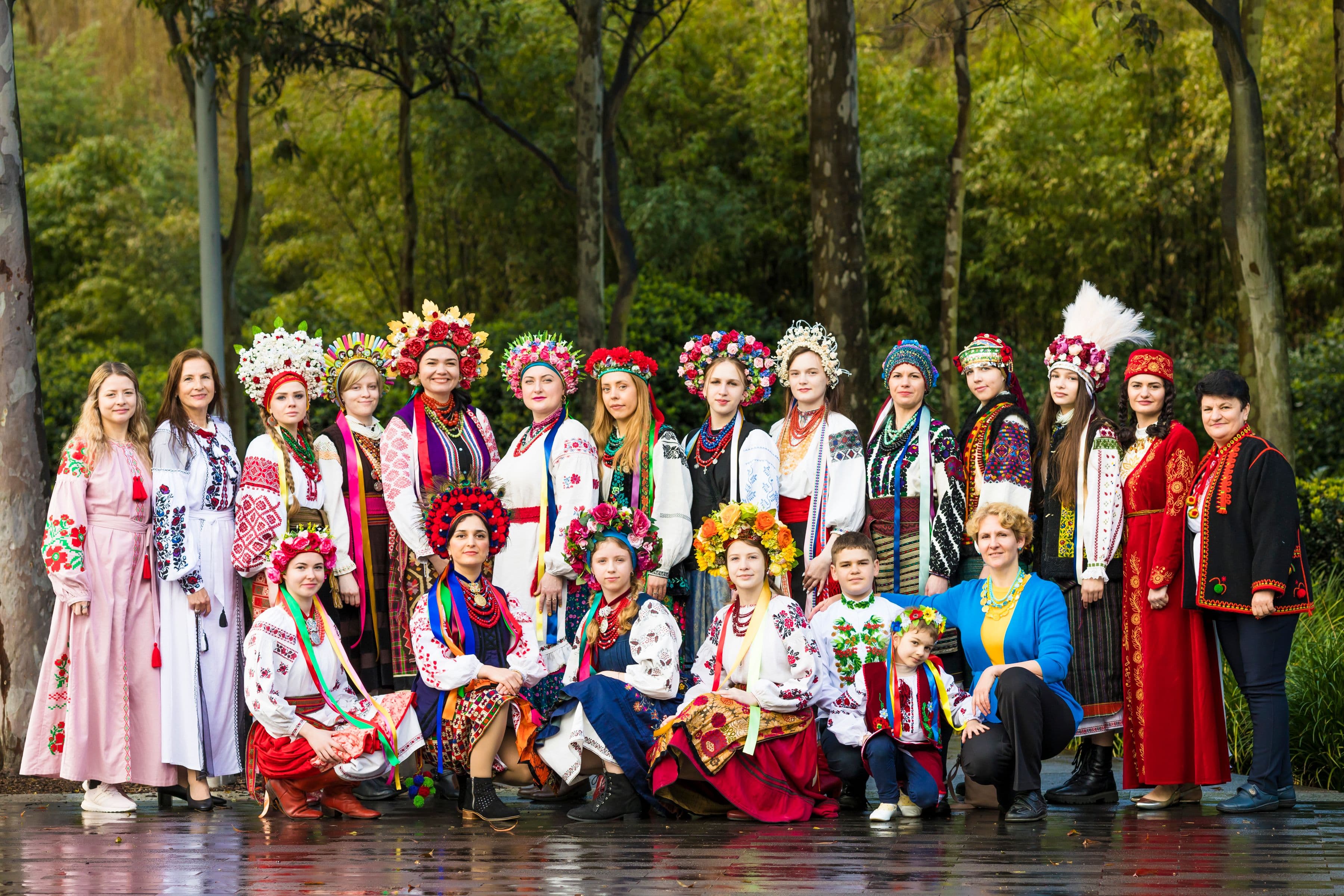
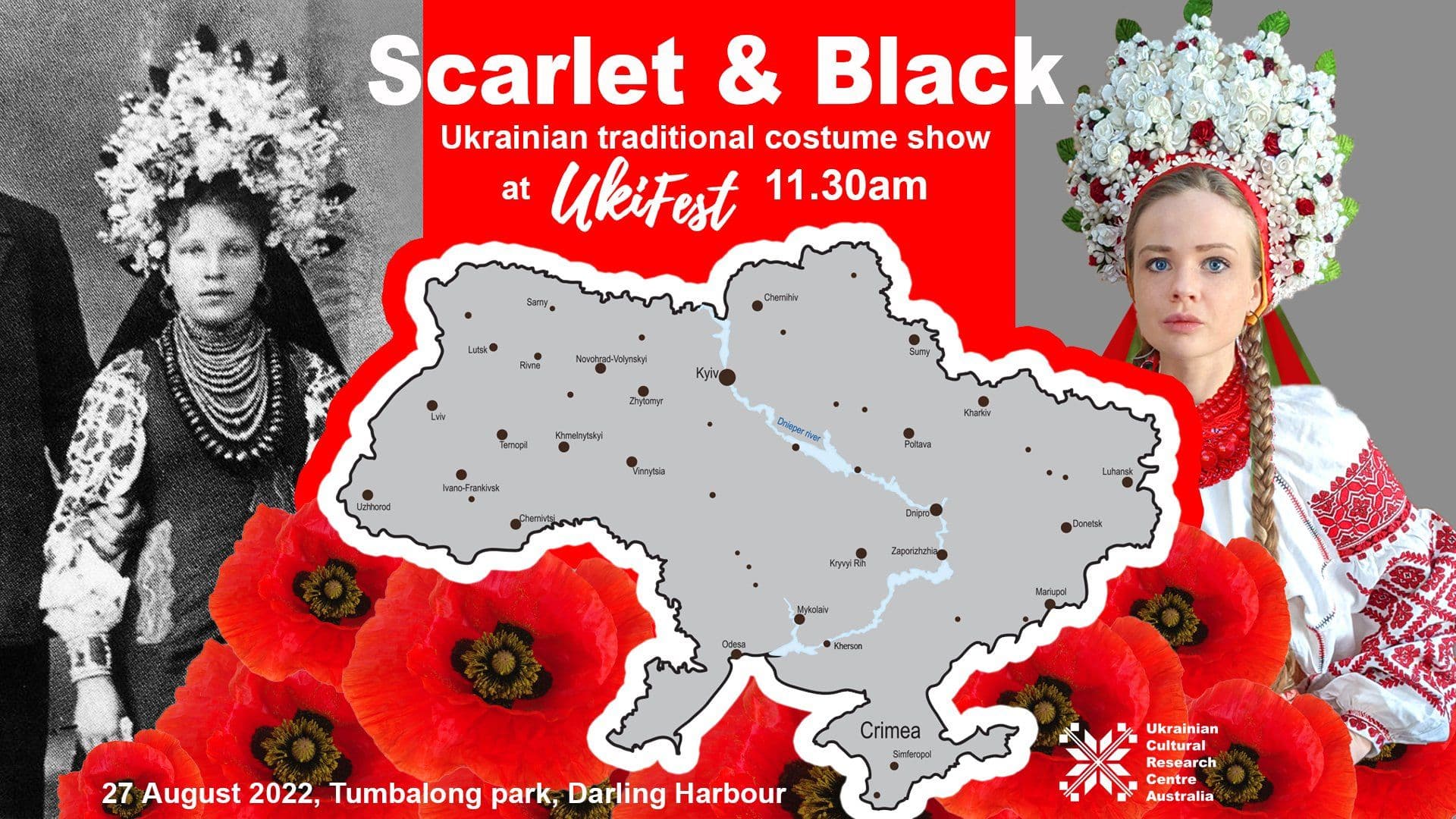
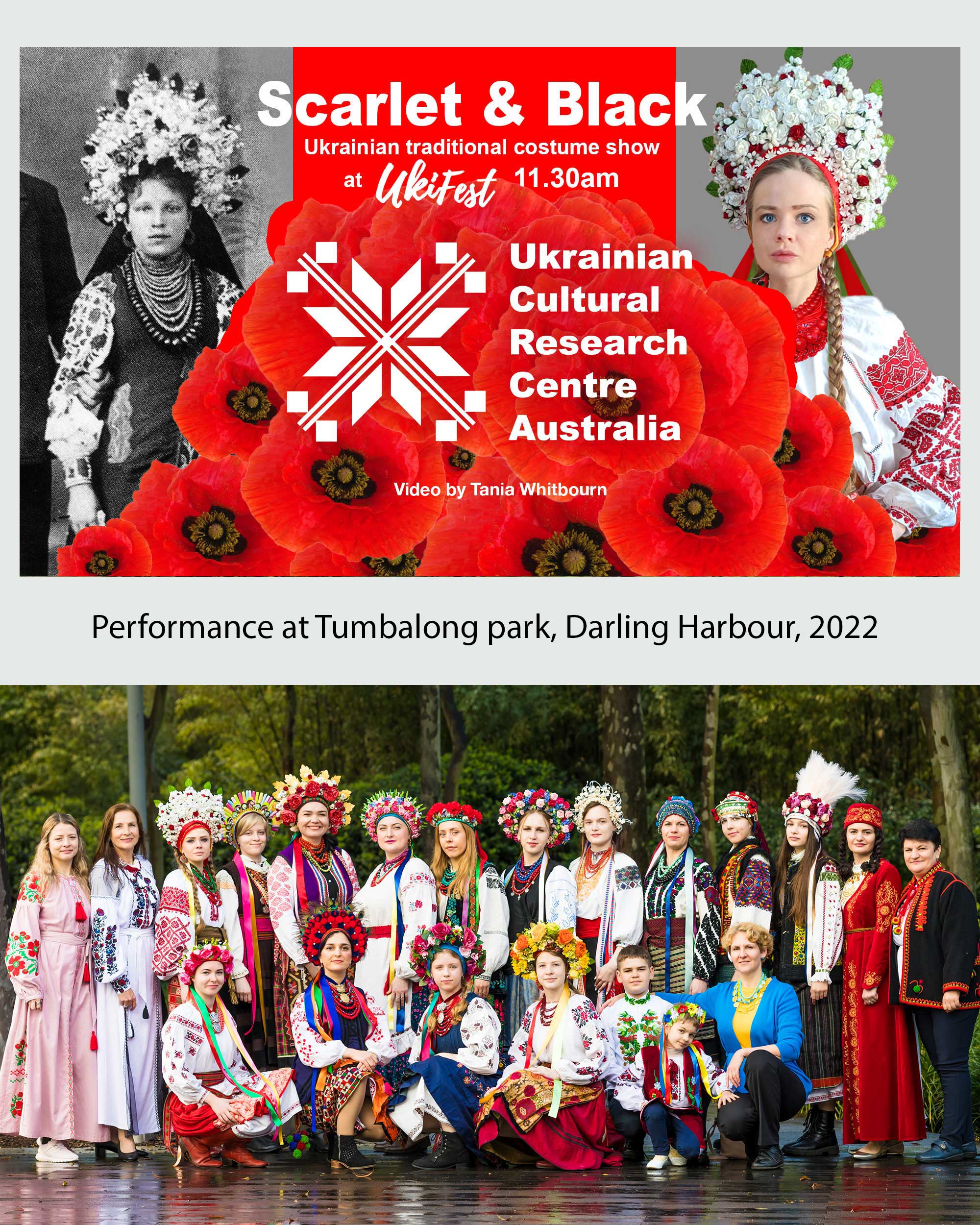
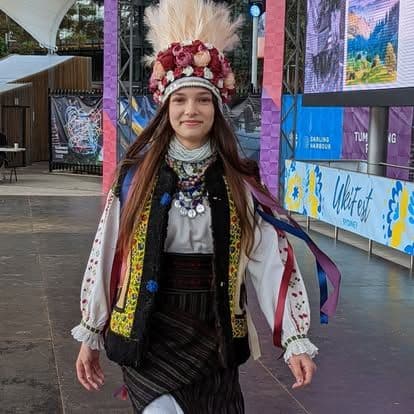
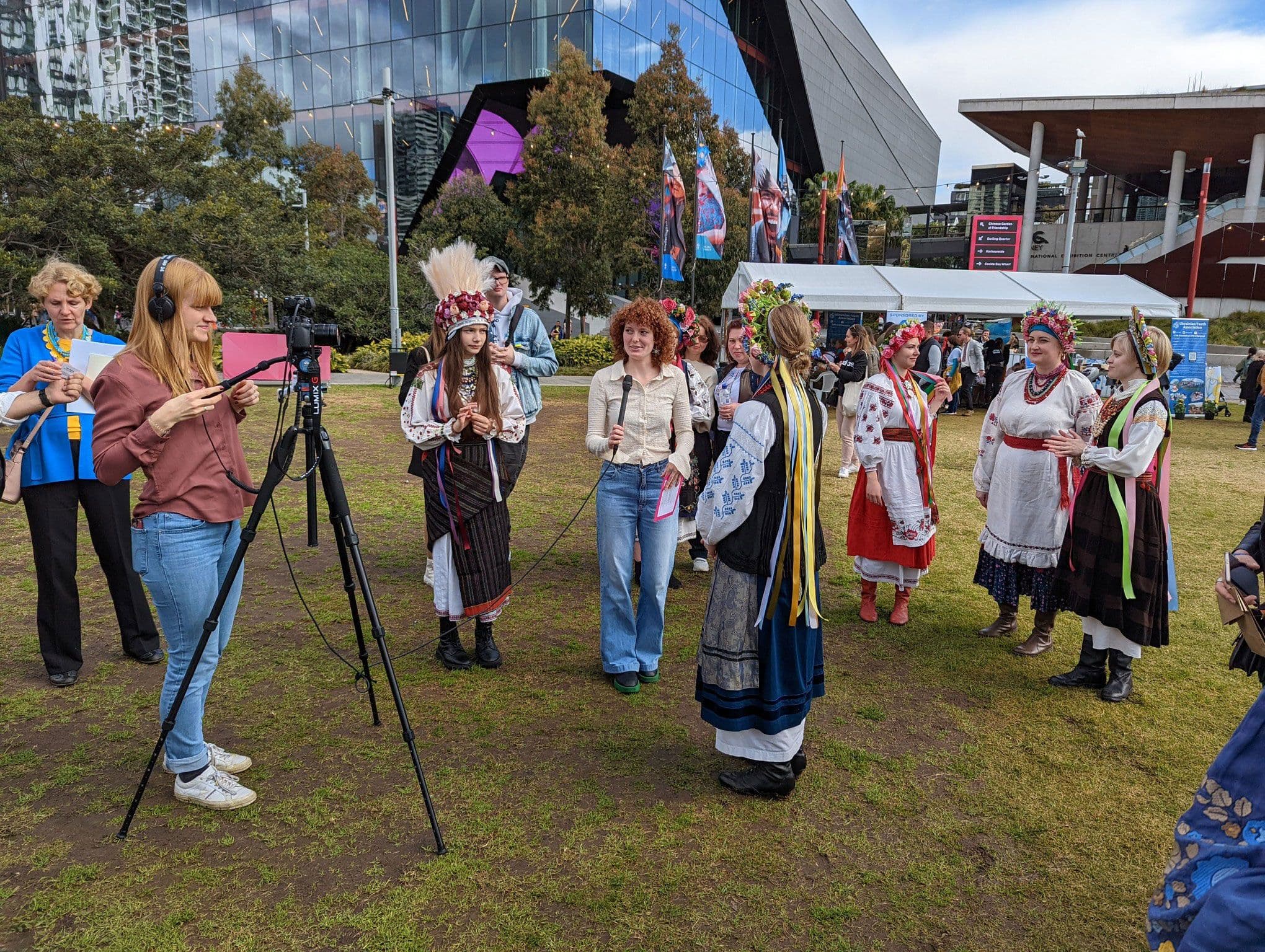
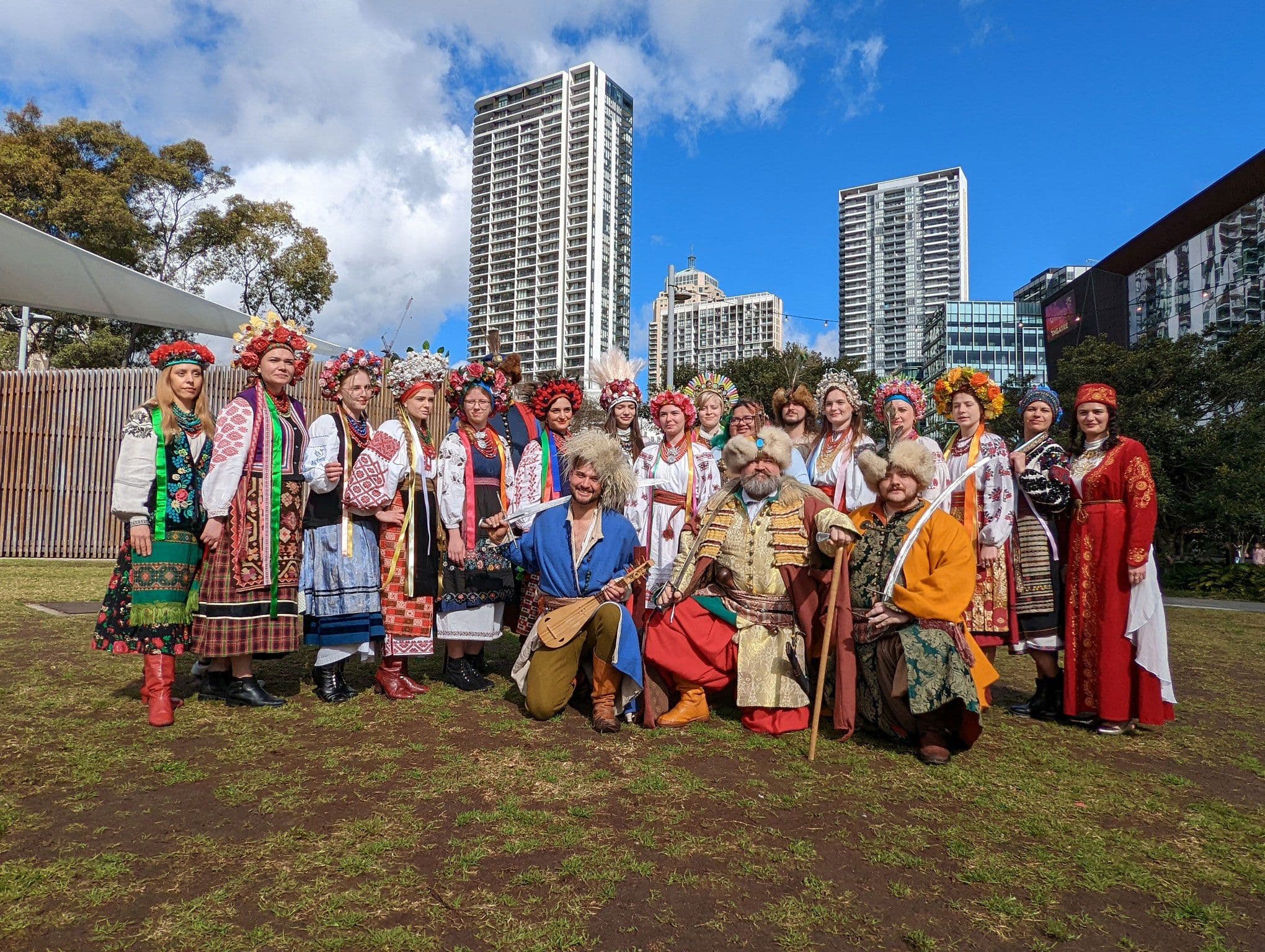
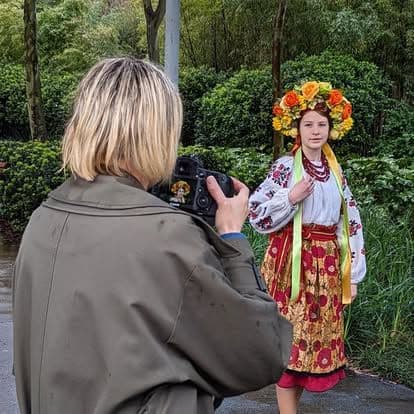
Cultural Performance at the Ukrainian Festival, Sydney — 2022. In 2022, I curated and produced a major cultural performance at Tumbalong Park, Darling Harbour as part of the Ukrainian Festival. The show was created primarily using the private collections of Roxolana Mishalow and Tanya Whitbourn, whose garments carried deep regional and historical significance.
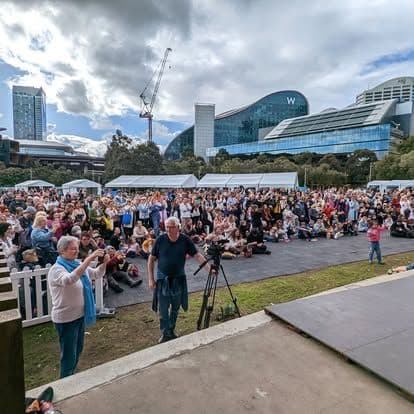
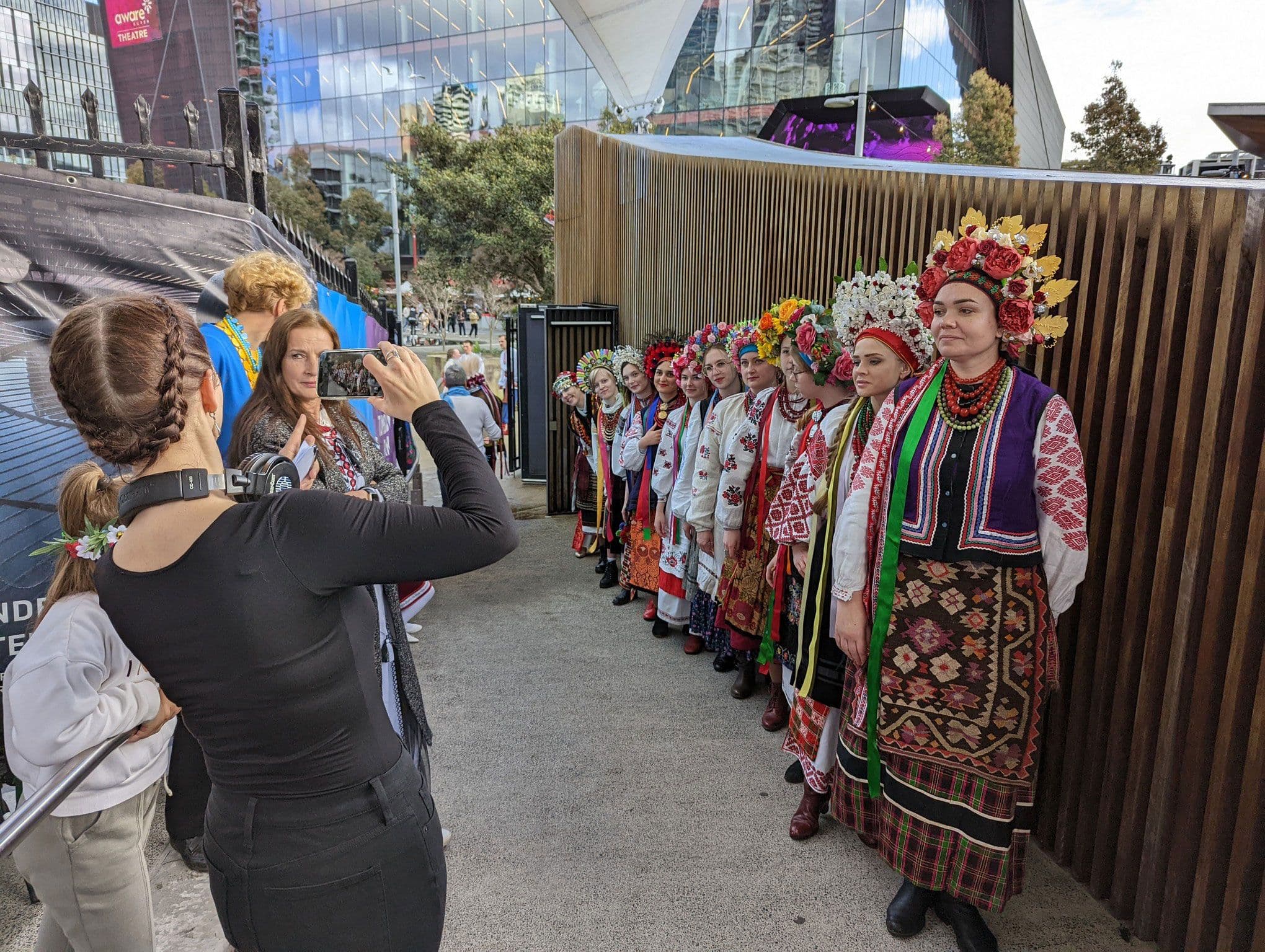
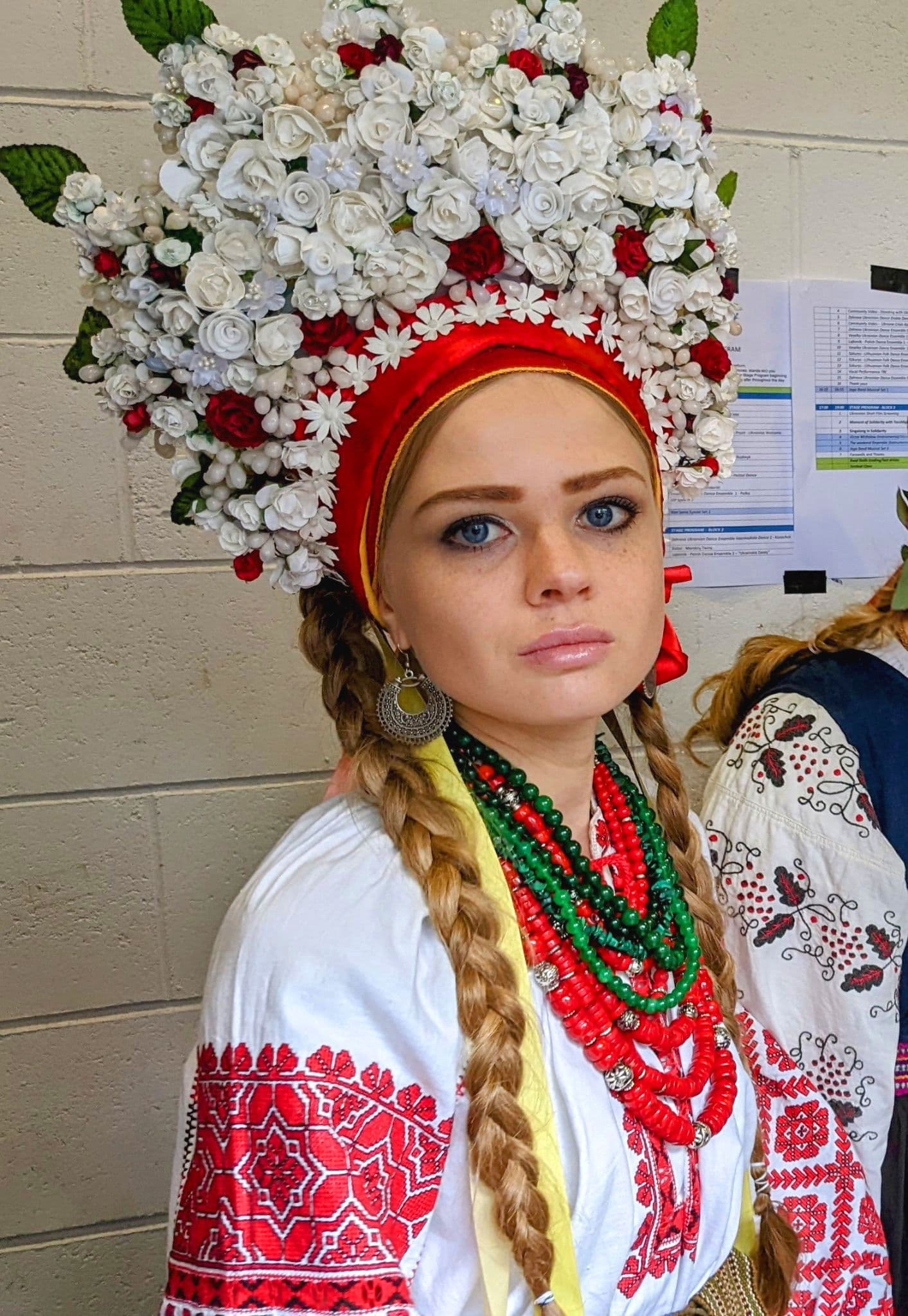
This performance was unlike any I had worked on before. All of the models were Ukrainian refugees. Each person on stage carried their own story of displacement, resilience, and survival, which gave the presentation an added layer of meaning that could not be staged or rehearsed.
The vibrant regional costumes were intentionally contrasted with the visual narrative behind them. I designed a series of projected slides showing Ukrainian towns and cities before and after the war. Together, costume and imagery created a powerful dialogue — beauty and heritage set against destruction and loss.
What emerged was more than a performance. It became a moment of collective remembrance and visibility, honouring Ukrainian culture while acknowledging the realities of war. Through this work, tradition was not frozen in the past, but stood firmly in the present — resilient, human, and deeply alive.
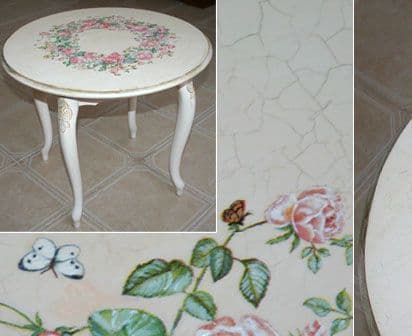
Furniture Decoration — Art You Can Live With. Working with furniture brings me a particular kind of joy. Three-dimensional objects are experienced from all sides, revealing a different picture as you move around them. There is something deeply satisfying about applying art to forms that are not only observed, but used and lived with every day. Chairs, tables, cabinets, and screens become surfaces where colour, texture, and form extend beyond the wall. Decorated furniture has the power to anchor a room. It can become a focal point, decisively unify a colour palette, or bring cohesion to an interior style. When art moves into functional objects, it becomes part of daily rituals, adding character and warmth to everyday moments. The process becomes even more meaningful when an old piece is given a second life. Repairing, recolouring, redesigning, reimagining, and reusing transforms something forgotten into something personal and renewed. Furniture decoration is, for me, a way of combining creativity with care — honouring what already exists while shaping it into something fresh, purposeful, and full of story.
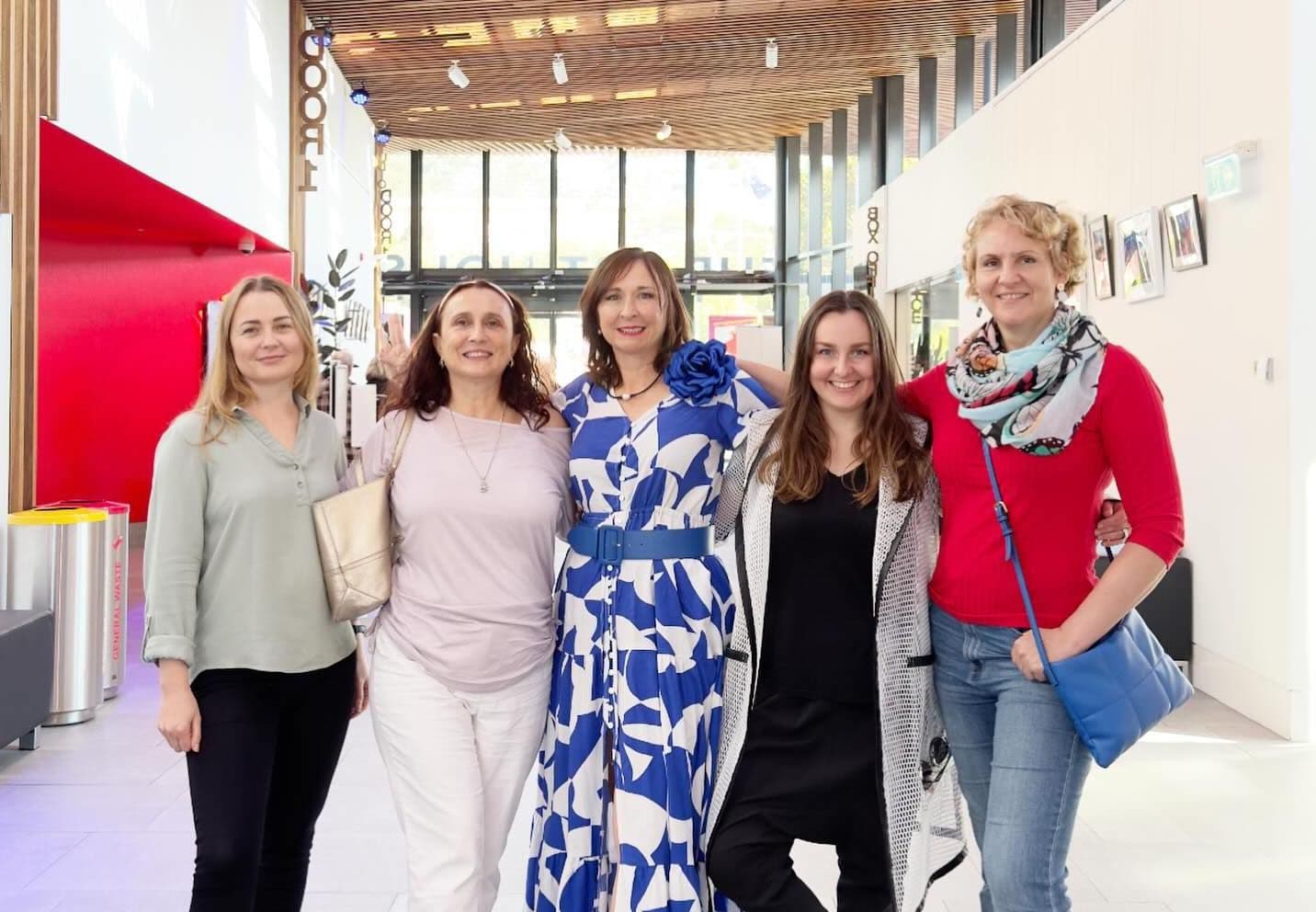
Breathing Space was a group exhibition by True Blue & a Little Bit of Yellow, held at The Art House, Wyong, NSW, from 1–25 May 2024. It felt good to return to the Central Coast and exhibit together once again. The works on display moved between bold painterly gestures and refined detail, with many pieces inspired by the coastal landscapes of the Central Coast and Sydney’s Northern Beaches. The exhibition offered space for colour, reflection, and connection — a moment to pause, breathe, and engage with art grounded in place and experience. Breathing Space was both a return and a continuation — of shared practice, shared values, and ongoing support through art.