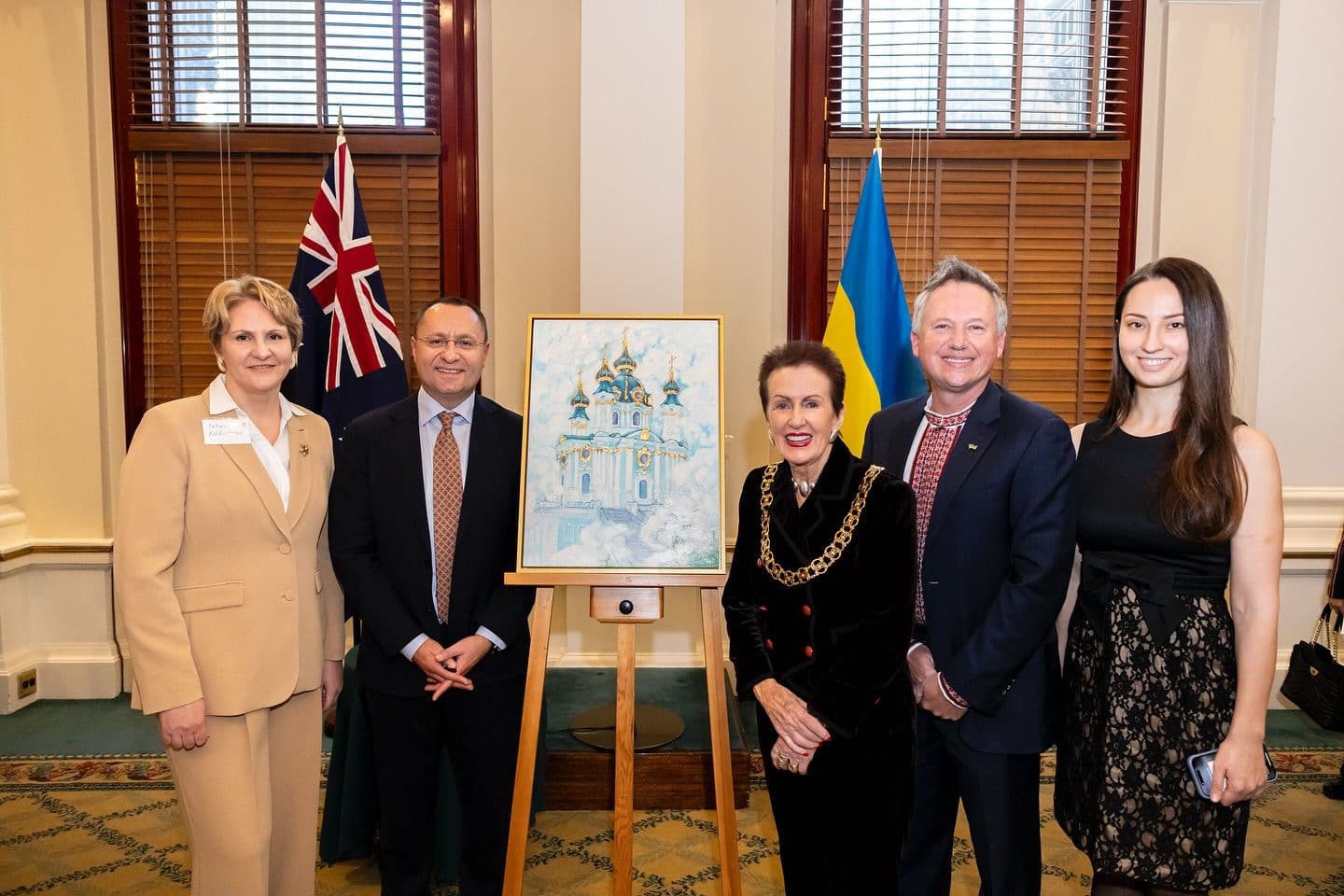
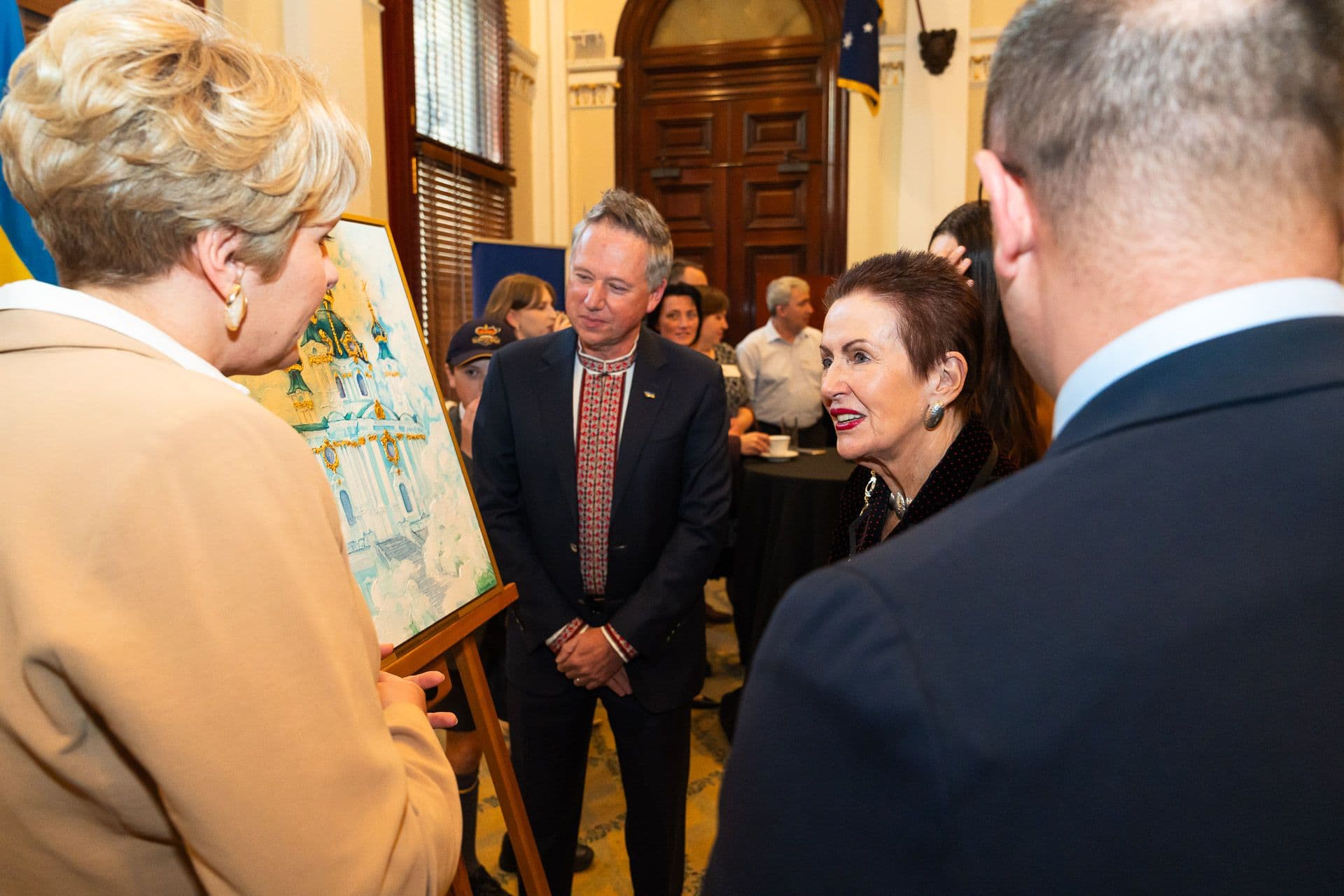
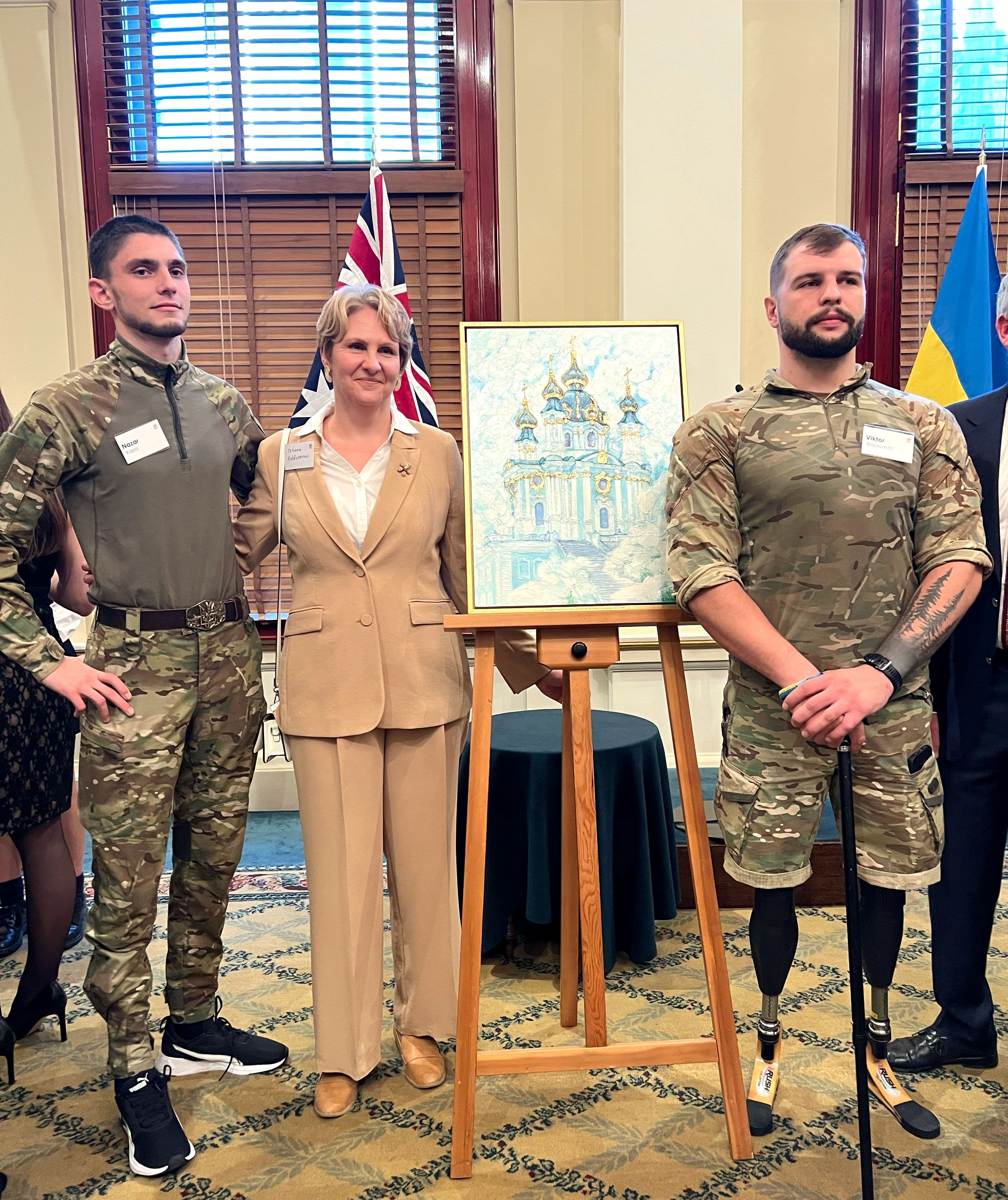
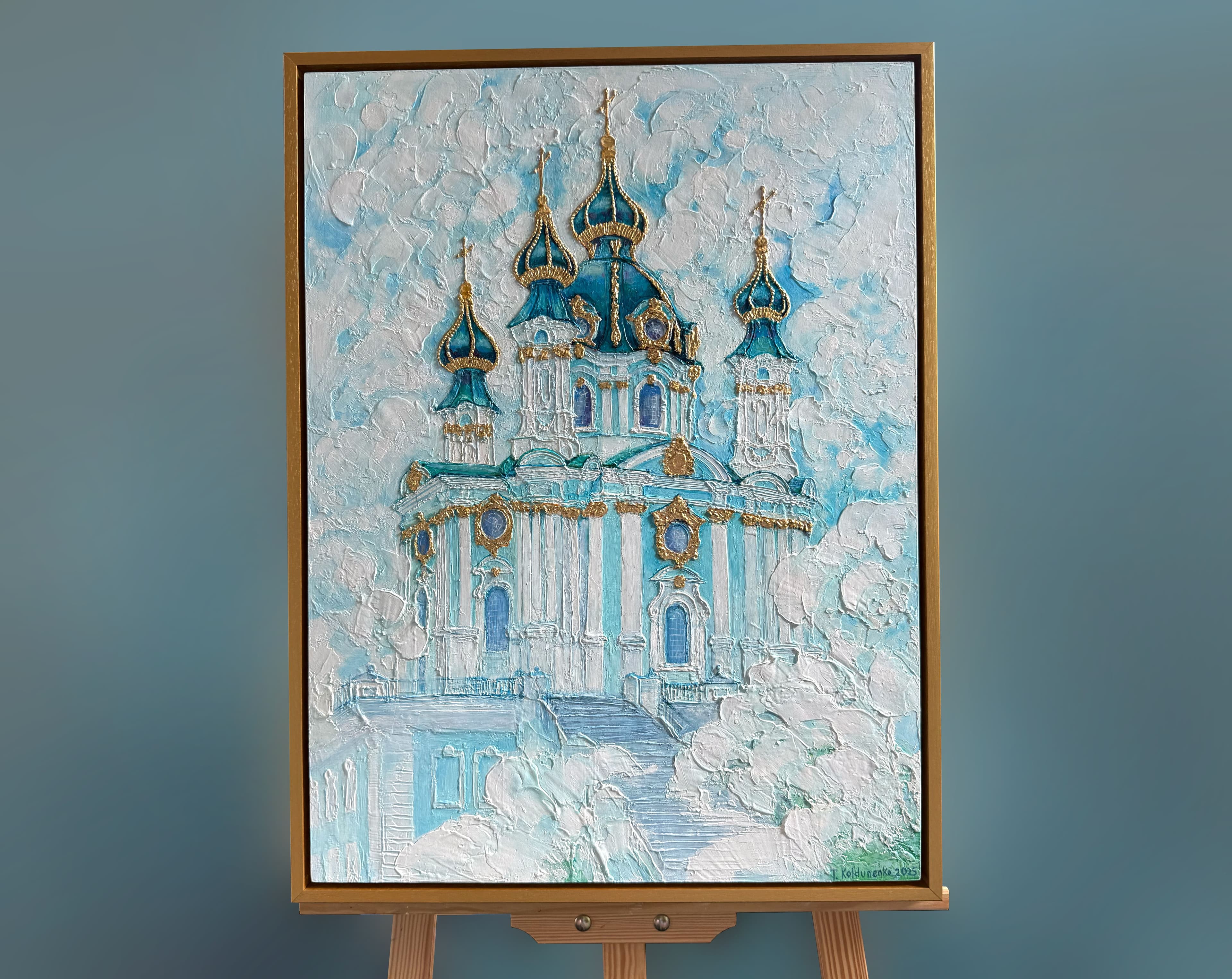
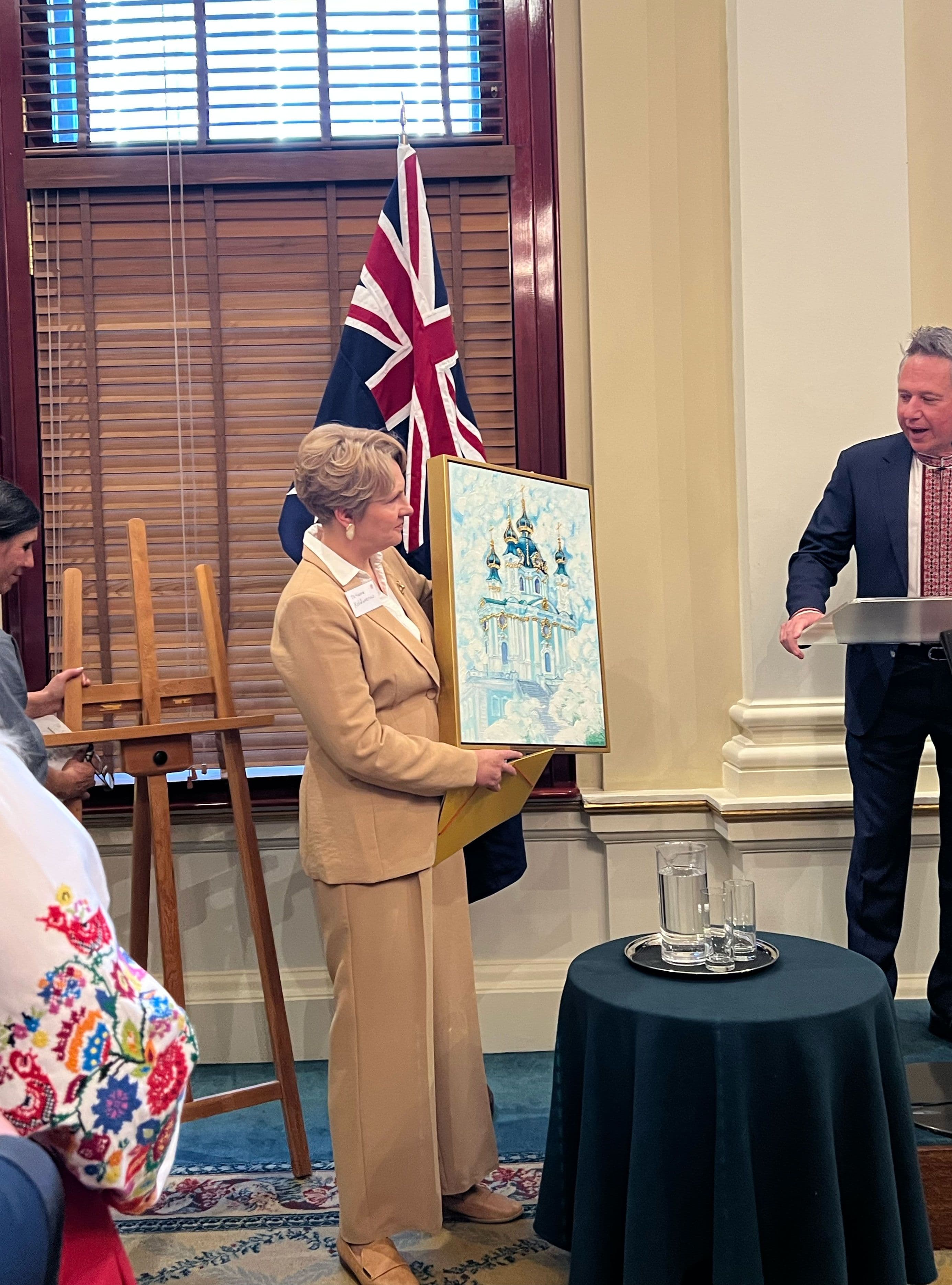
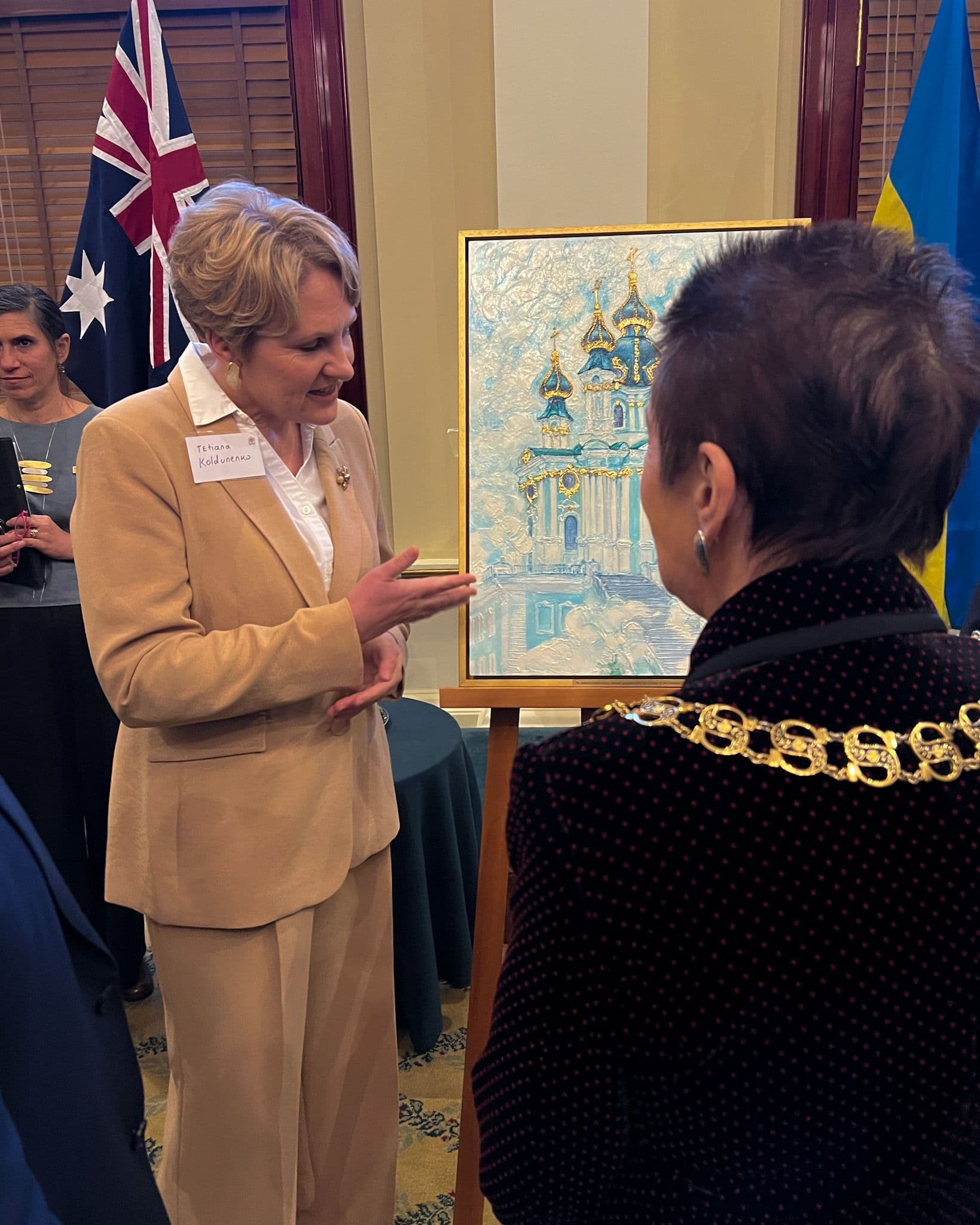
I’m deeply honoured that my painting, St. Andrew’s Church in Kyiv, Ukraine is now part of the City of Sydney Civic Collection.
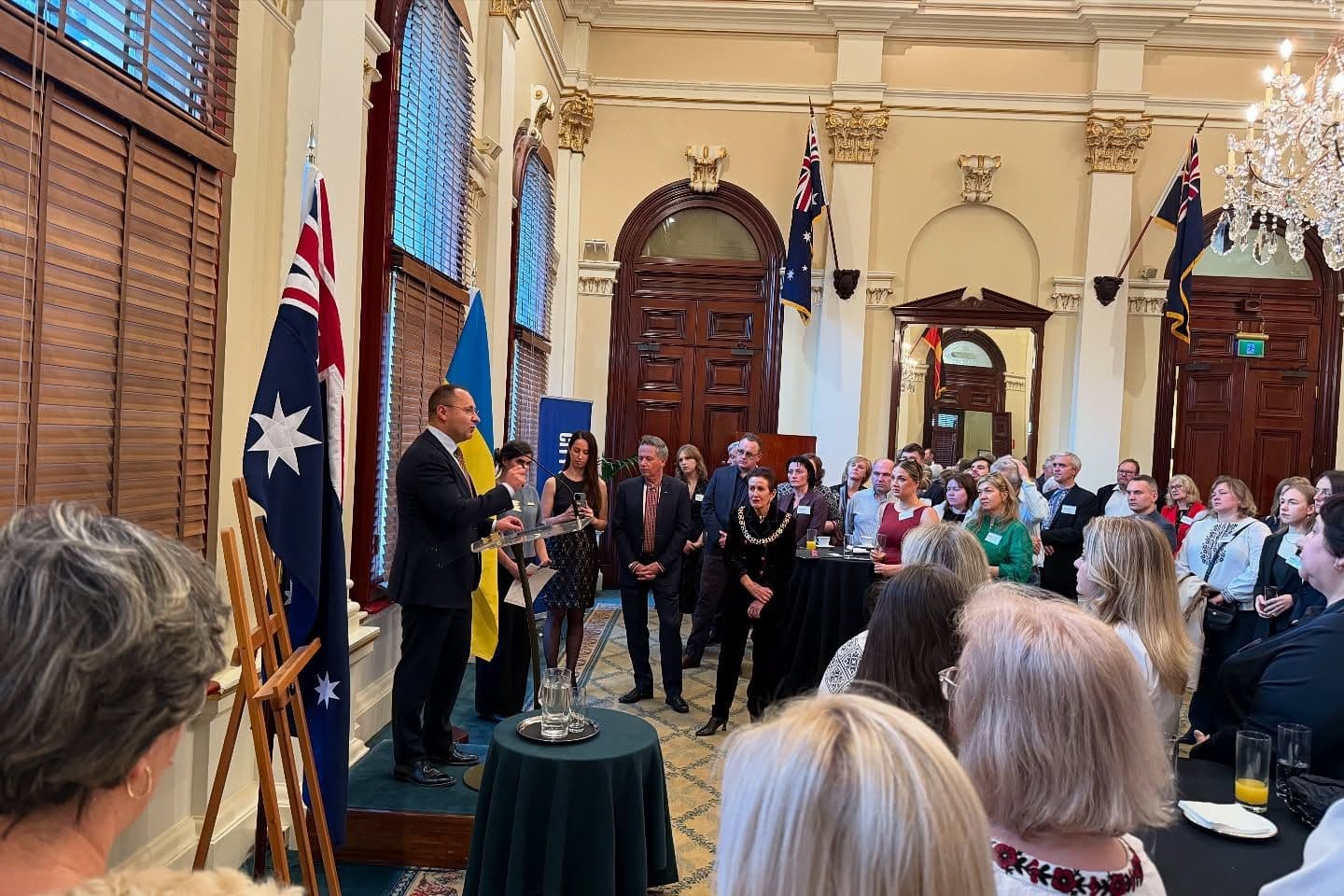
This artwork was officially presented in May 2025 by Andrew Mencinsky, President of the Ukrainian Council of NSW, to Lord Mayor Clover Moore and the City of Sydney—a gesture of gratitude for their ongoing support of displaced Ukrainians and our community since the beginning of Russia’s full-scale invasion in 2022.
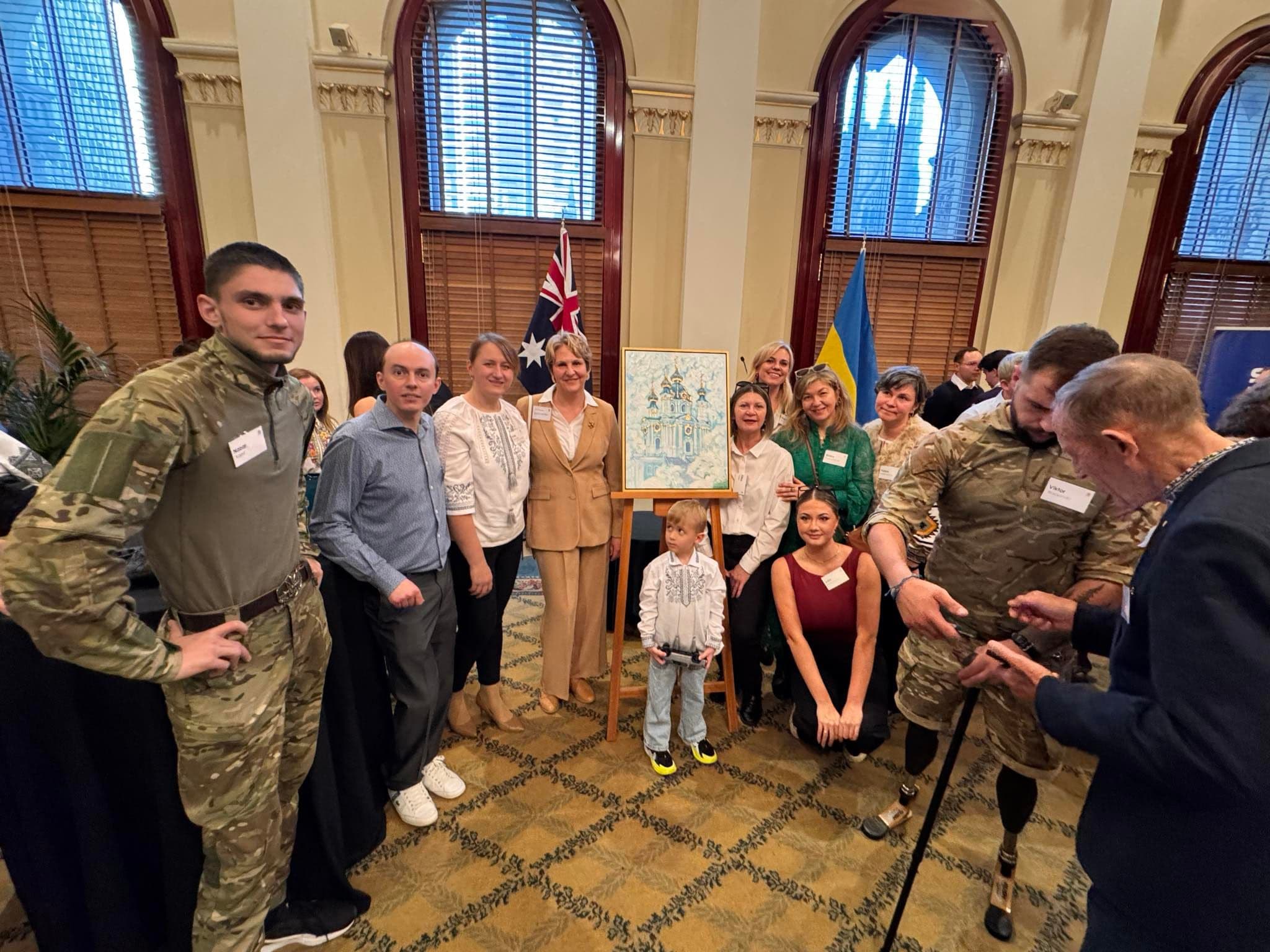
St. Andrew’s Church is a treasured Baroque gem of Kyiv, perched above the historic Podil district. Designed by Italian architect Francesco Bartolomeo Rastrelli in the 18th century, it stands as both a cultural icon and a spiritual beacon.
This church holds a special place in my heart — my mum and grandfather were born not far from it, and during my art school years we spent many plein air sessions painting around its beautiful grounds.
The presentation took place a month ago, but I was waiting for the official photos before sharing this moment with you.
Australia’s support of Ukraine and part of my home city Kyiv, now represented in Sydney’s civic collection means more than words can express.
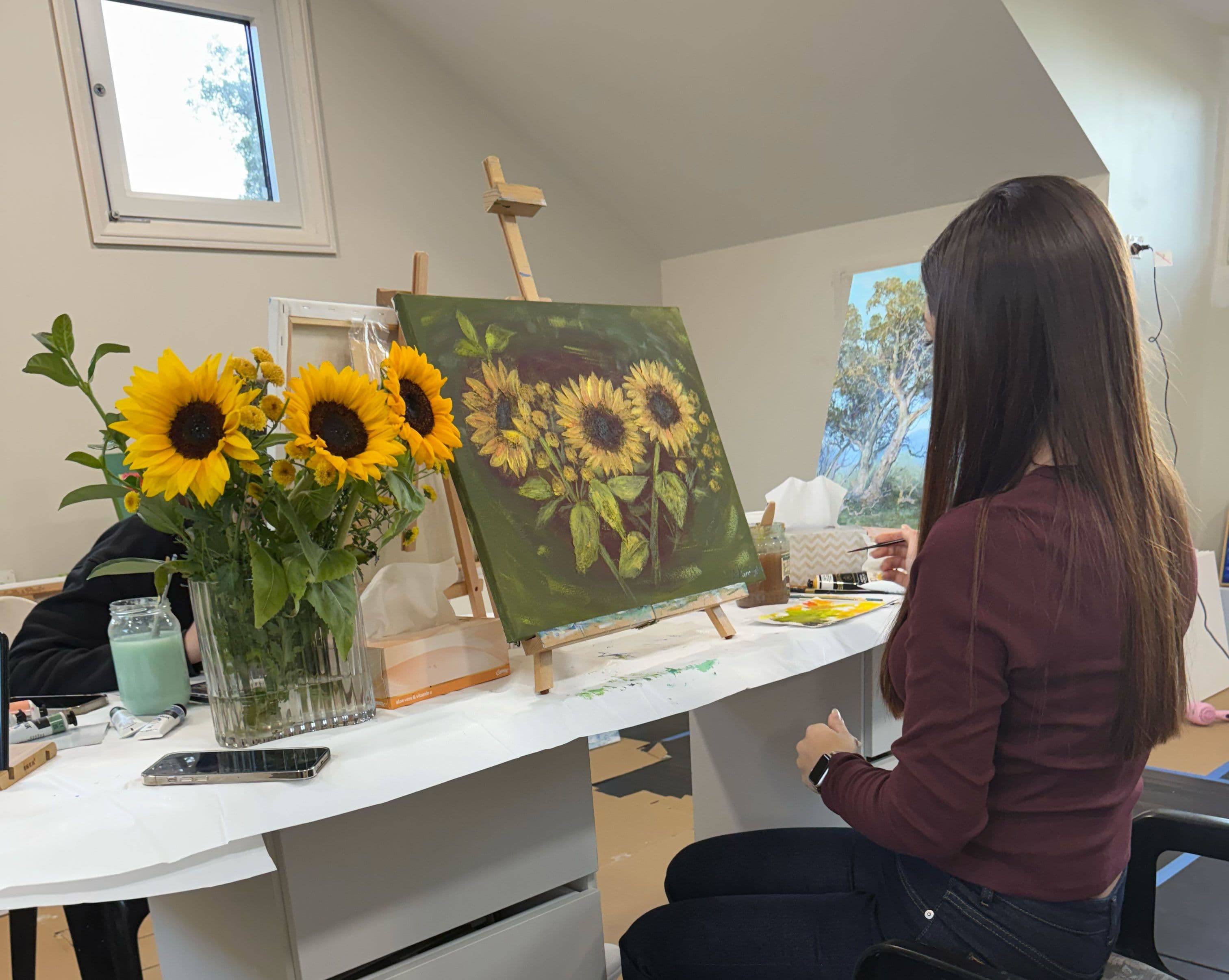
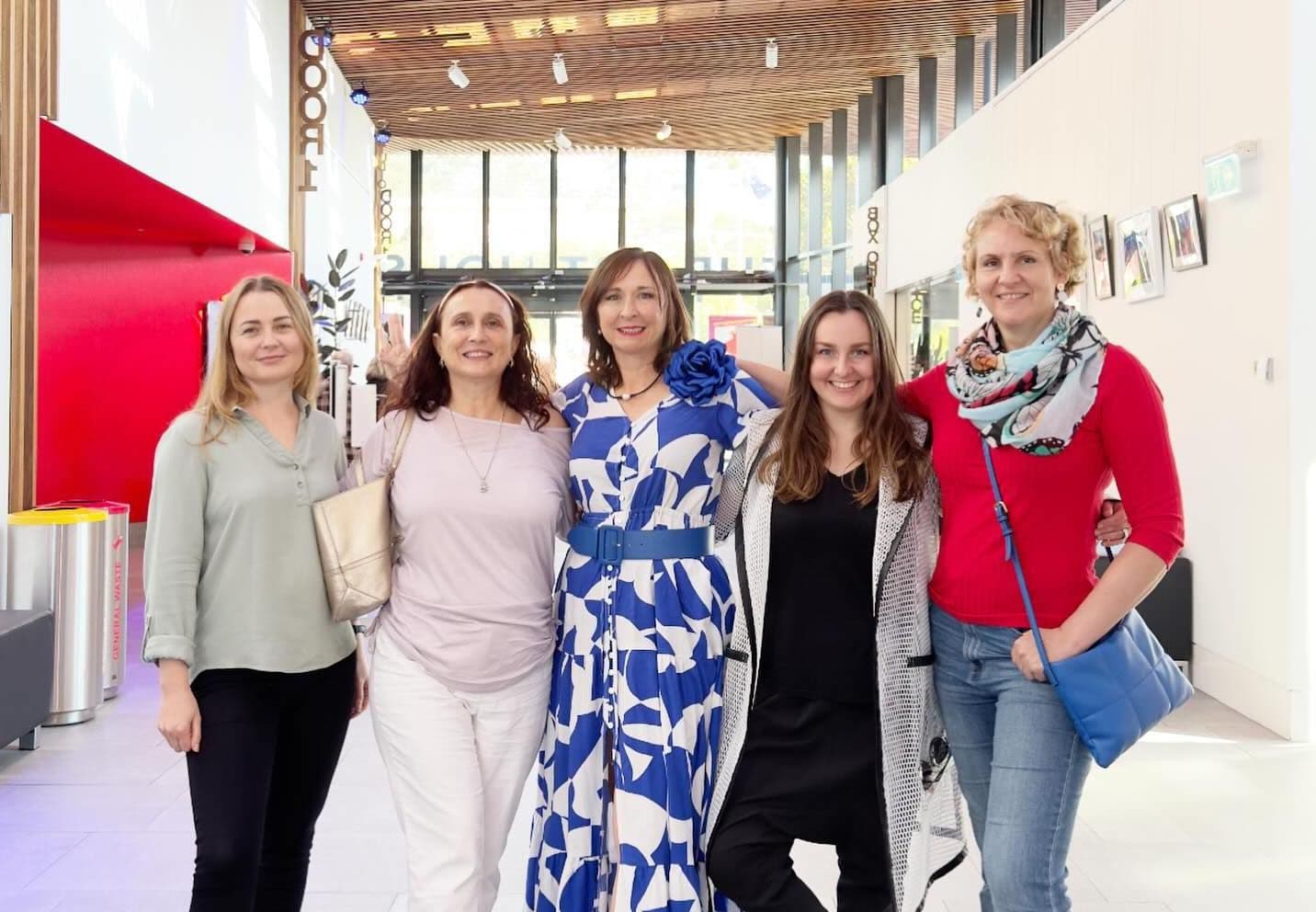
Sometimes, I run very small, intimate workshops—just three participants—so each person can explore their own individual theme. This particular workshop was organised and sponsored by CMRC and contributed to the exhibition Borders, Bonds, Belonging, held at Ngurra Gunya Exhibition Hall, Parramatta Square. The exhibition, organised by CMRC and ADSi, was part of #RefugeeWeek2025 — a time to reflect, connect, and stand in solidarity amid global displacement and conflict. Twelve talented Ukrainians shared their culture through paintings, music, and poetry, creating a powerful celebration of identity and resilience. Our workshop took place in my art studio, which conveniently had all the supplies ready. The theme was open: participants could explore anything that reminded them of Ukraine or anything particular they love about Australia. The results were personal, heartfelt, and inspiring — a true testament to the power of creativity in connecting people and cultures.
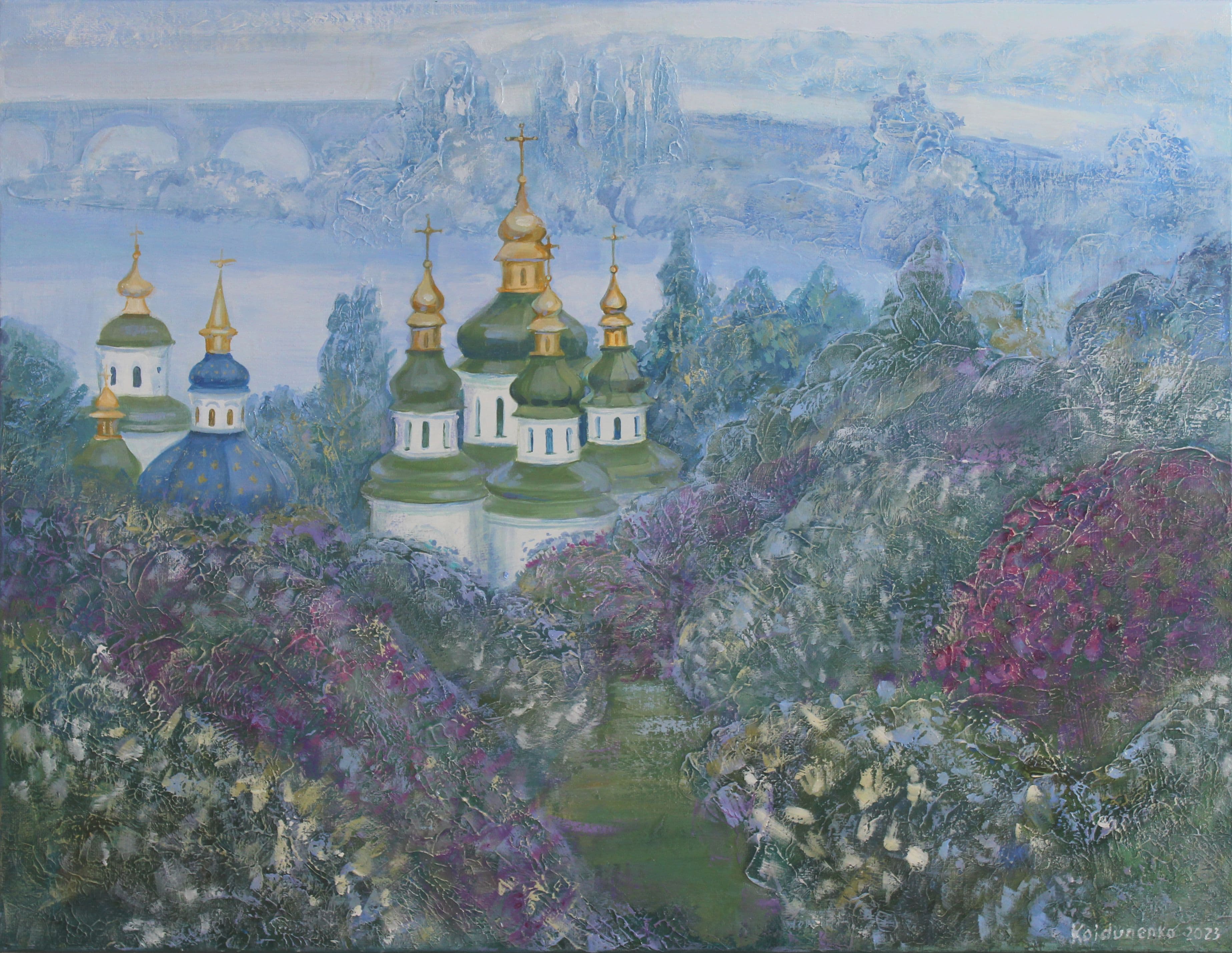
For me, as for many of my collectors, moving to Australia has been a blessed and life-changing experience. At the same time, it doesn’t erase the feeling of missing home. Memory travels with us — through seasons, colours, familiar landscapes, and small visual details that stay deeply rooted inside. Quite often, Ukrainian collectors commission artworks that reconnect them with home. These might be flowers remembered from a childhood garden, the softness of snow, the glow of golden autumn, or the unmistakable outlines of traditional Ukrainian architecture. These subjects carry emotional weight — they speak of belonging, memory, and personal history. I find great meaning in creating these works, because I share the same feelings. Painting nostalgic themes allows me to revisit places and atmospheres that shaped me, while offering others a visual connection to what they hold dear. The artwork becomes more than an image; it becomes a bridge between past and present, between where we come from and where we are now. Through these commissions, nostalgia turns into something tangible — a way to honour memory, identity, and the enduring connection to home, even when life unfolds far from it.