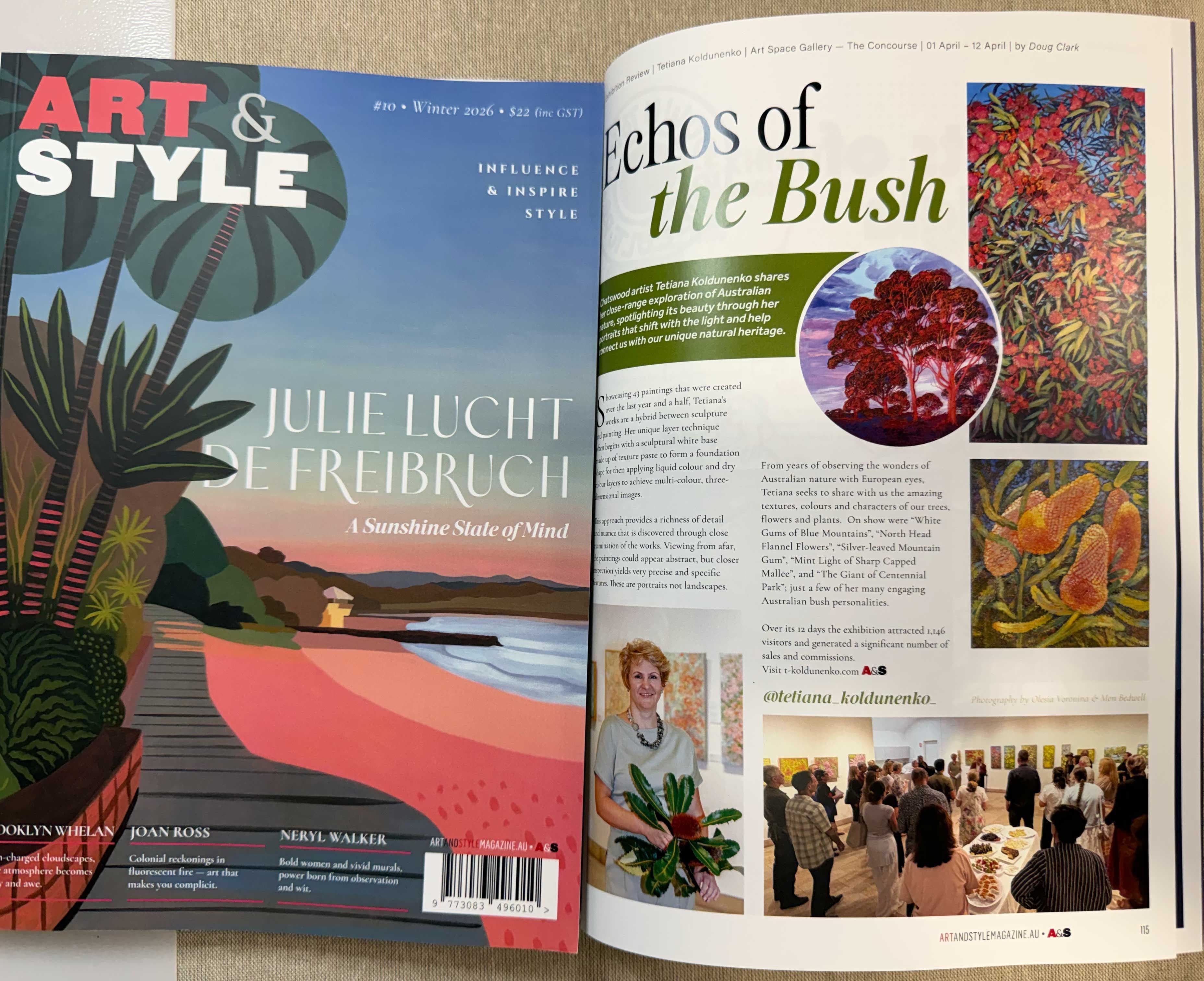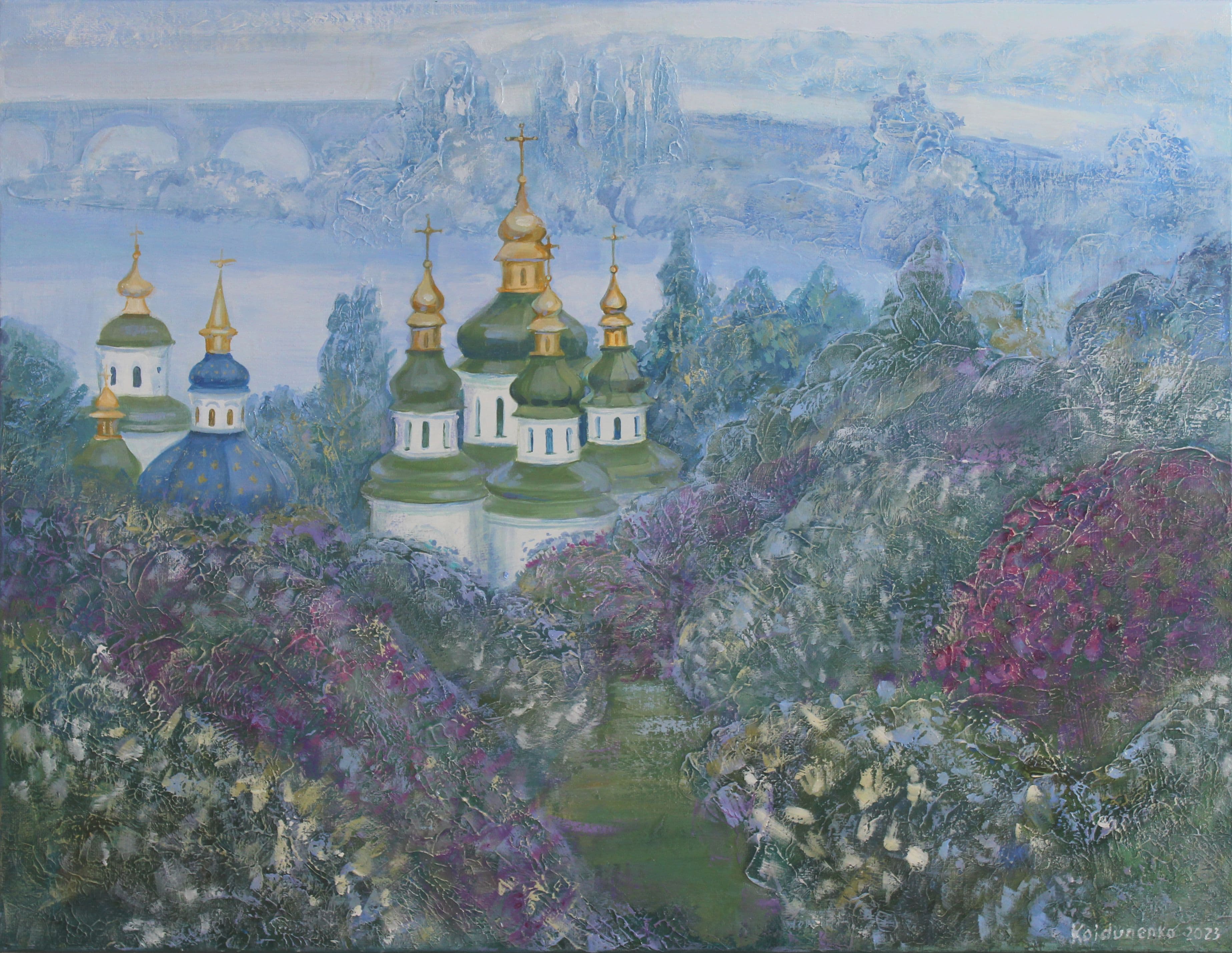
For me, as for many of my collectors, moving to Australia has been a blessed and life-changing experience. At the same time, it doesn’t erase the feeling of missing home. Memory travels with us — through seasons, colours, familiar landscapes, and small visual details that stay deeply rooted inside.
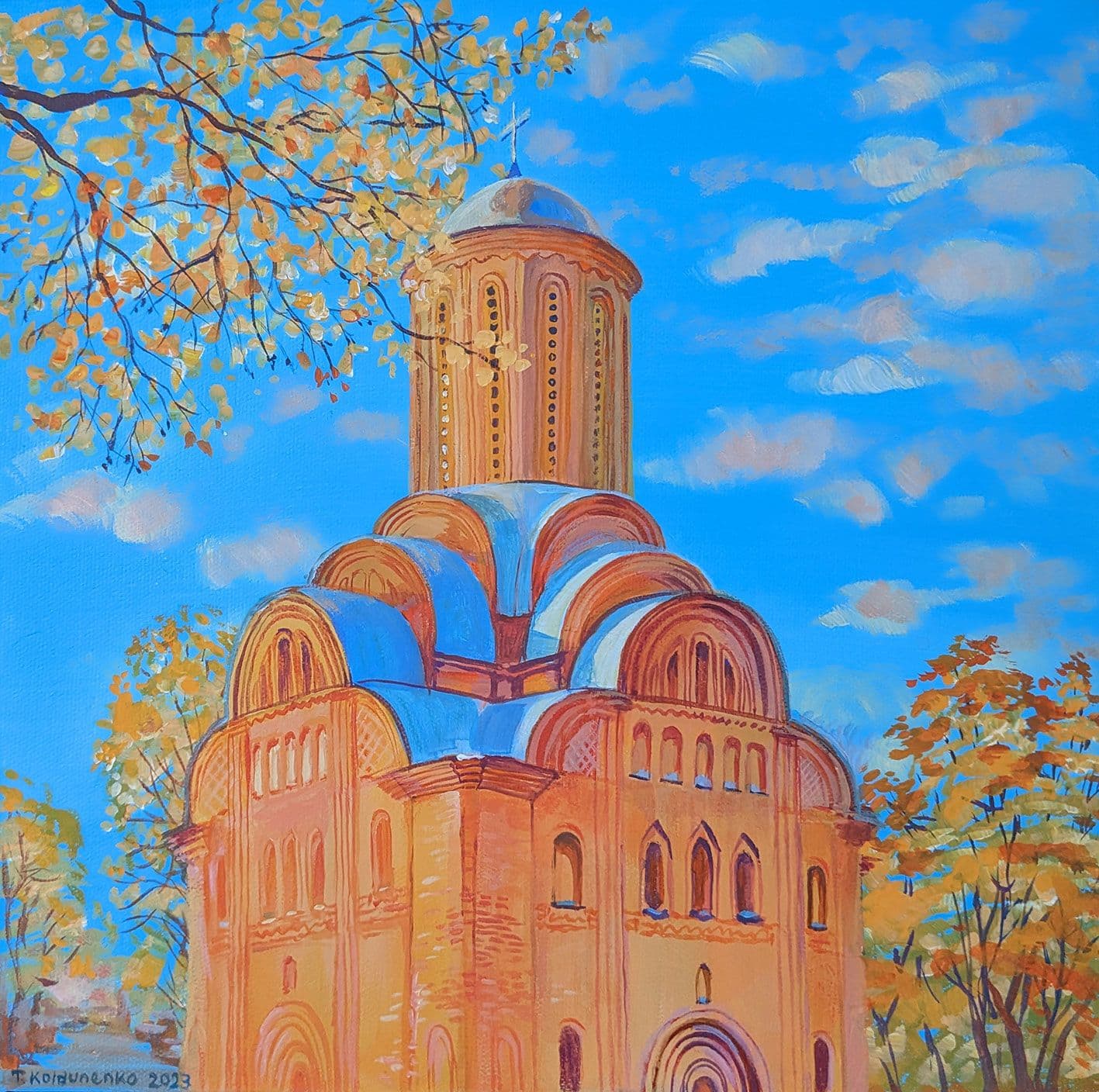
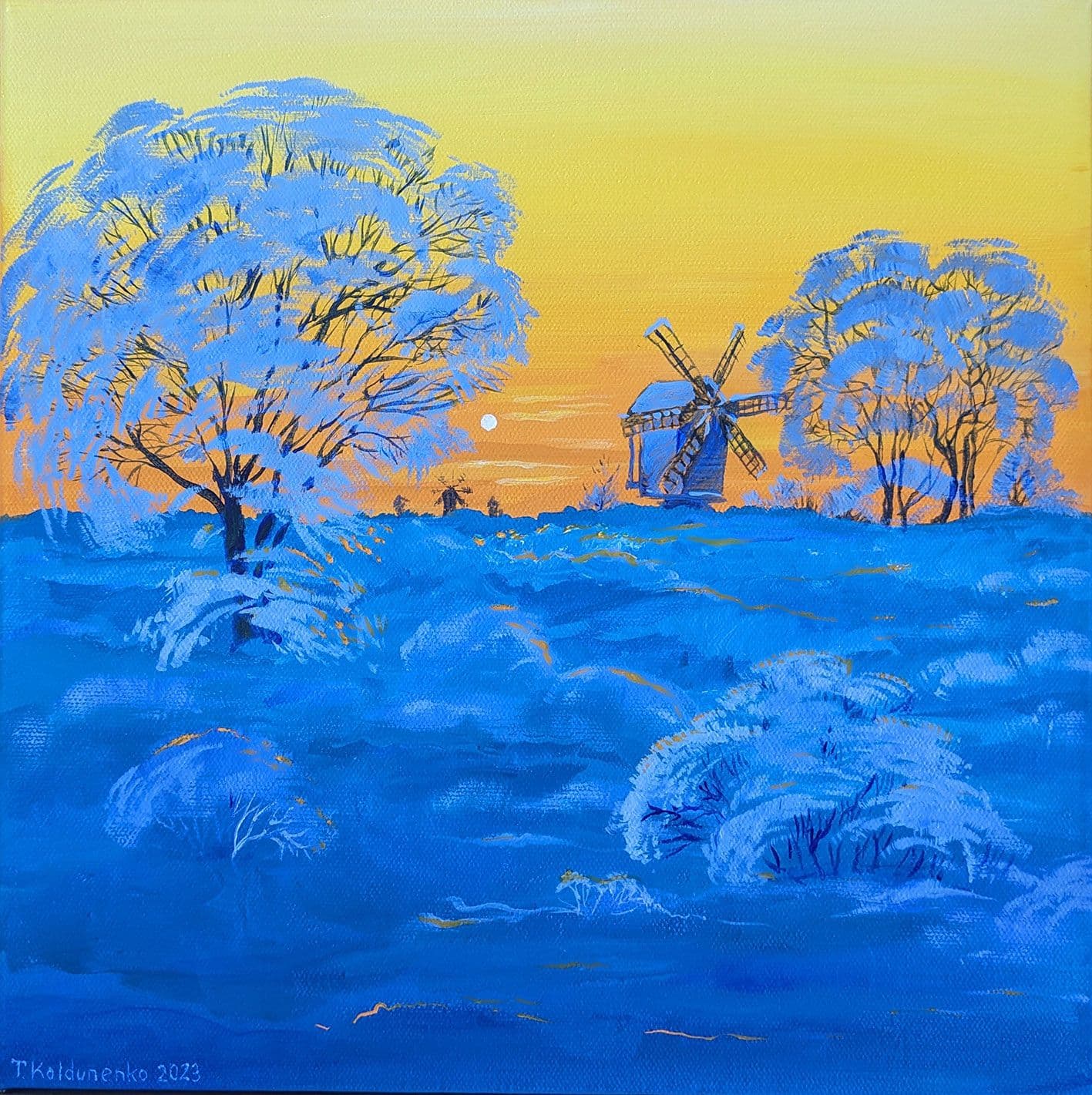
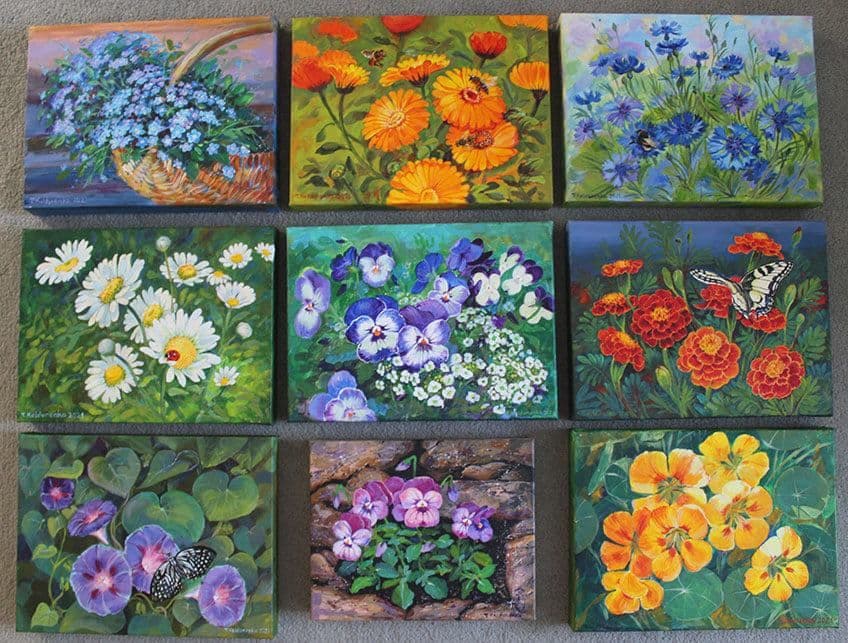
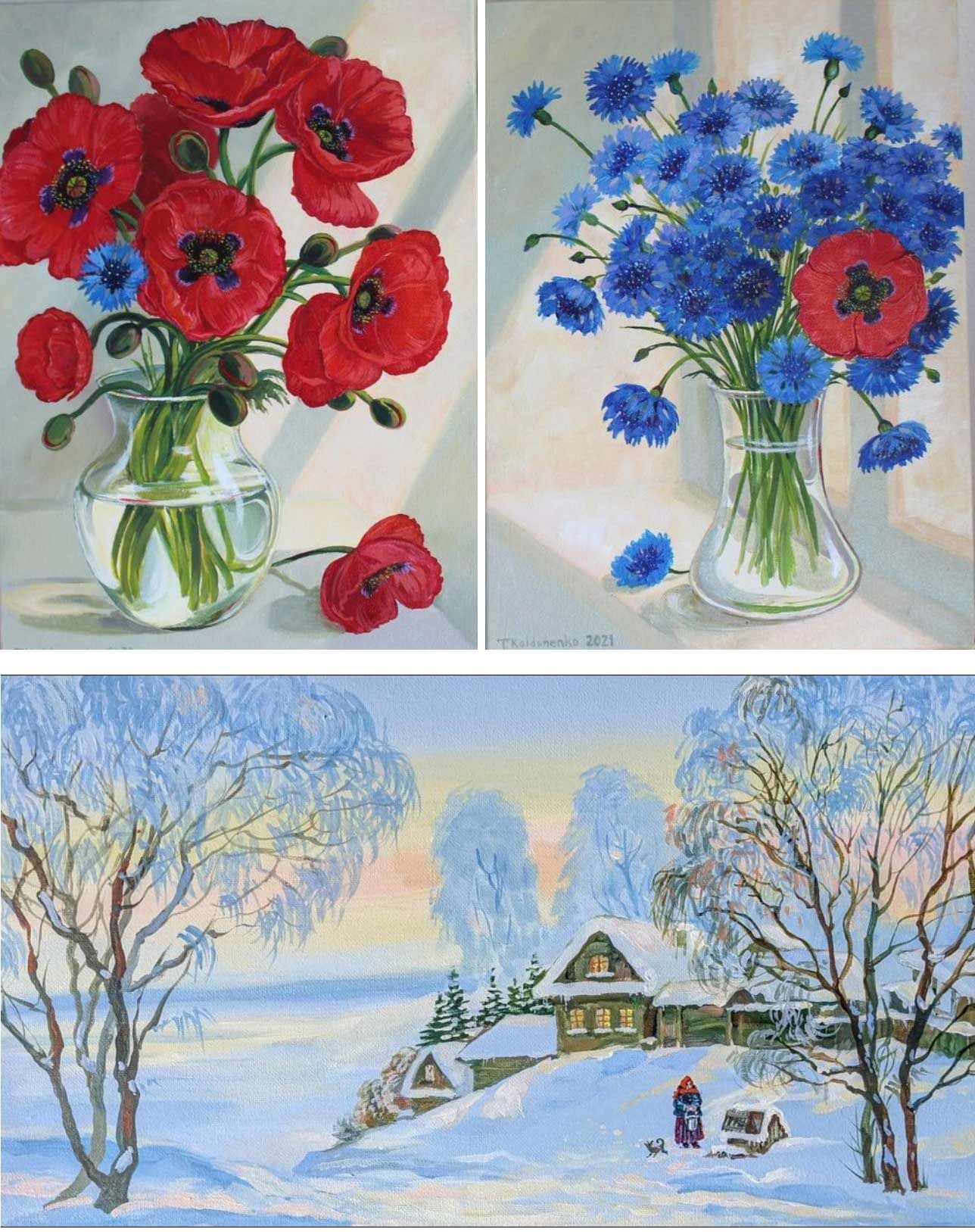
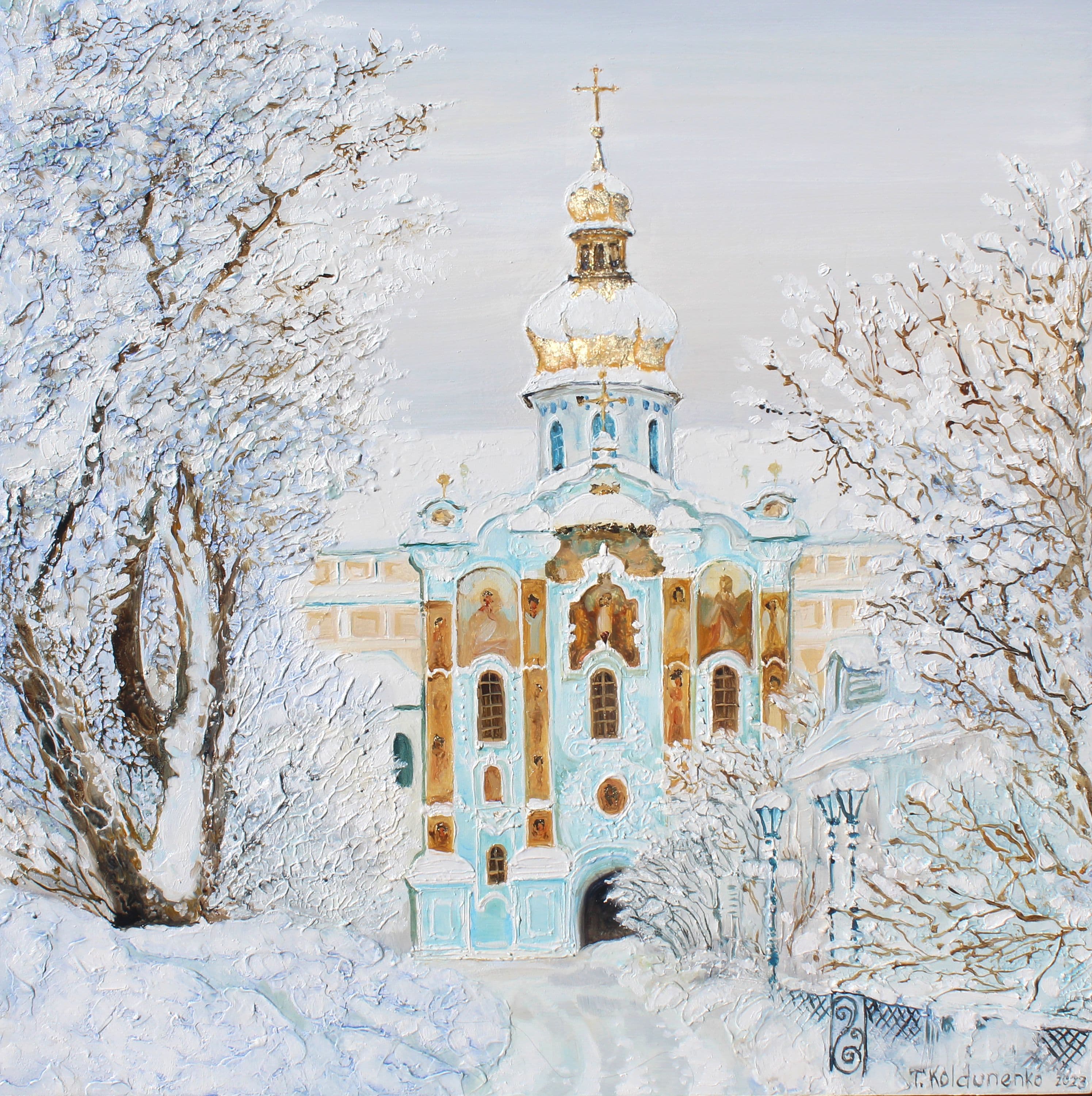
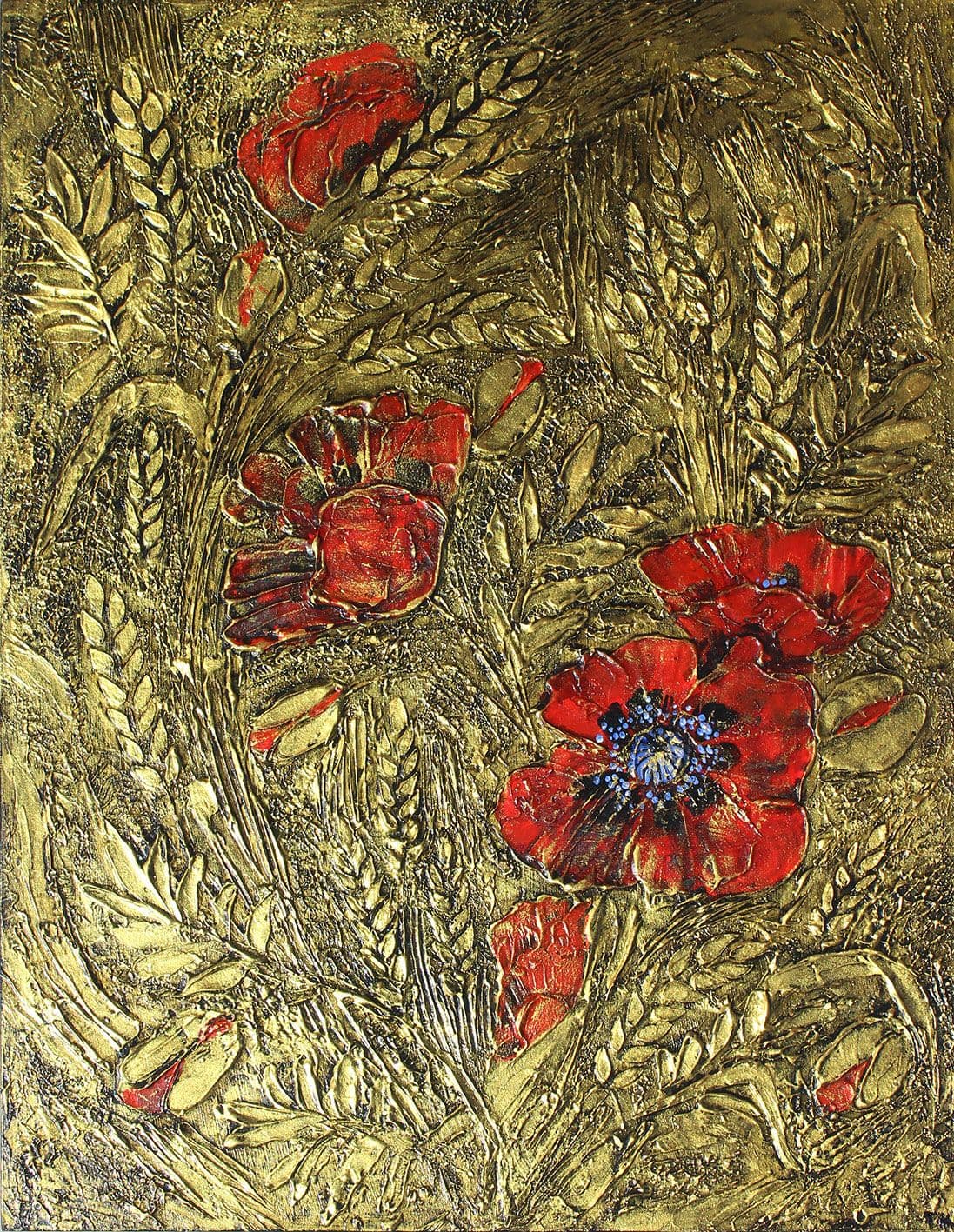
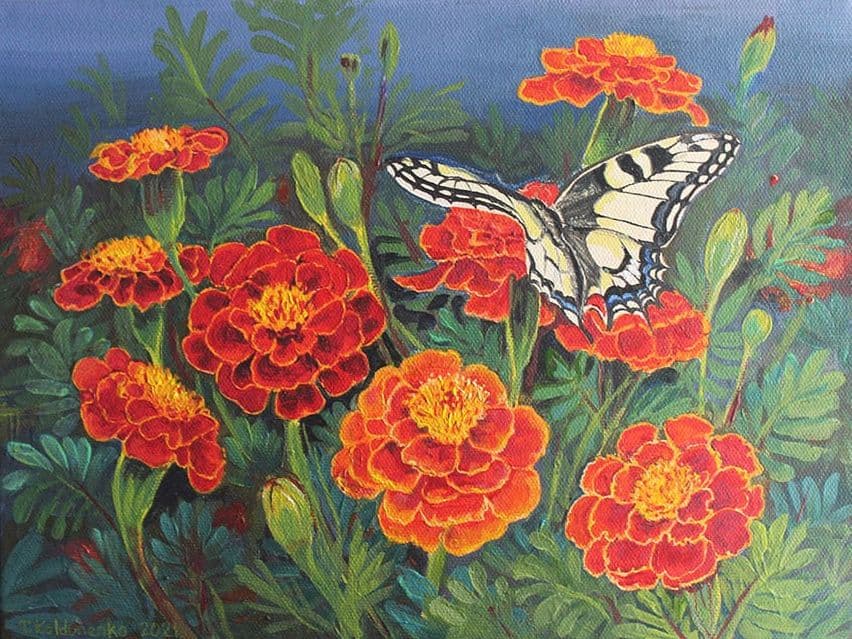
Quite often, Ukrainian collectors commission artworks that reconnect them with home. These might be flowers remembered from a childhood garden, the softness of snow, the glow of golden autumn, or the unmistakable outlines of traditional Ukrainian architecture. These subjects carry emotional weight — they speak of belonging, memory, and personal history.
I find great meaning in creating these works, because I share the same feelings. Painting nostalgic themes allows me to revisit places and atmospheres that shaped me, while offering others a visual connection to what they hold dear. The artwork becomes more than an image; it becomes a bridge between past and present, between where we come from and where we are now.
Through these commissions, nostalgia turns into something tangible — a way to honour memory, identity, and the enduring connection to home, even when life unfolds far from it.
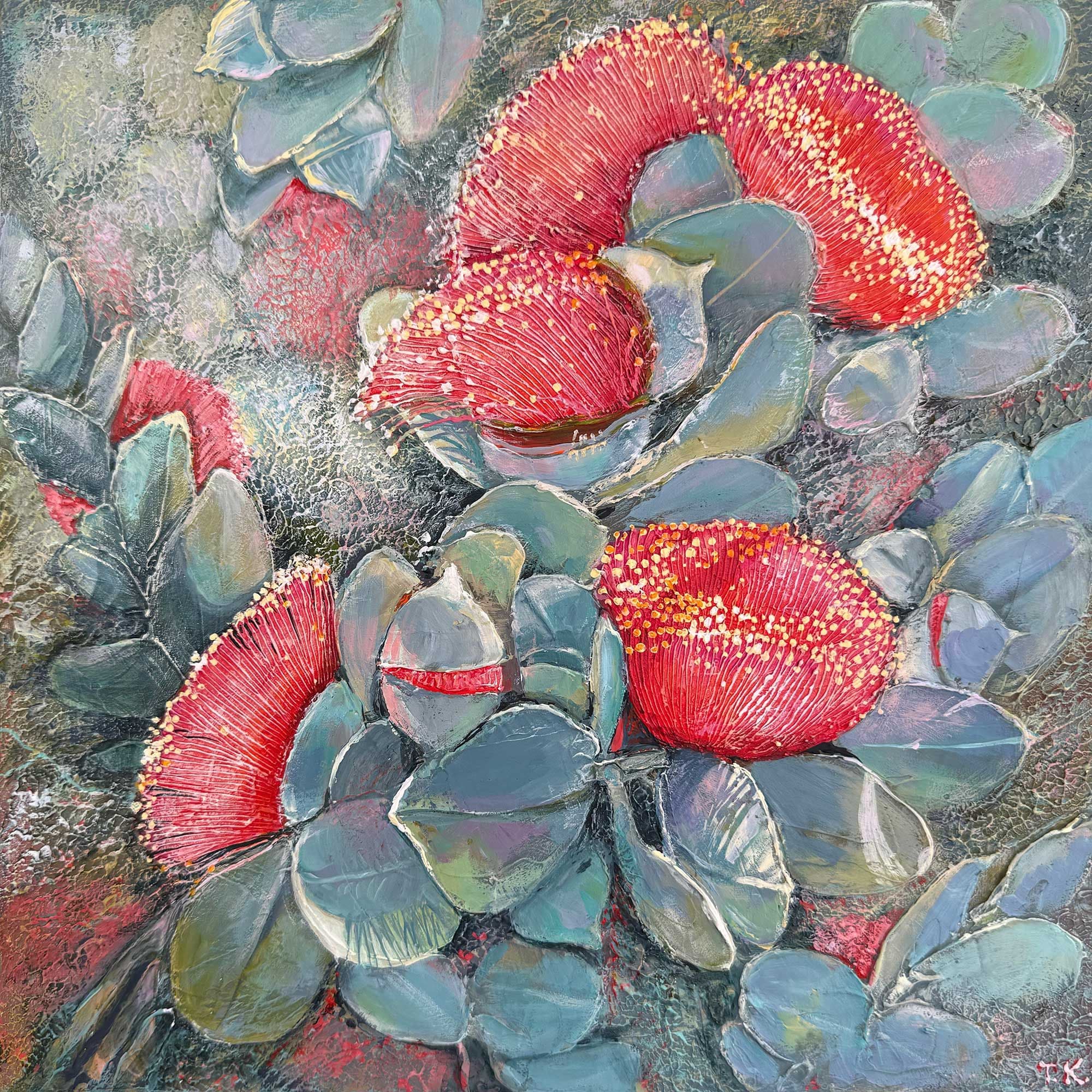
I am delighted to share that my artwork Light Between Us has been selected as a finalist in the North Sydney Winter Art Prize 2026. This piece continues my exploration of Australia's natural landscape through texture, light, and colour. Created with acrylic and texture paste on a wooden panel, Light Between Us invites viewers to pause and appreciate the quiet beauty found in nature and the subtle connections that exist between trees, light, and the people who experience them. Light Between Us 2026 Acrylic and texture paste on wood 30 × 30 cm The Winter Art Prize brings together a diverse collection of works by talented artists from across the region. It is an honour to have my work exhibited alongside so many inspiring artists.
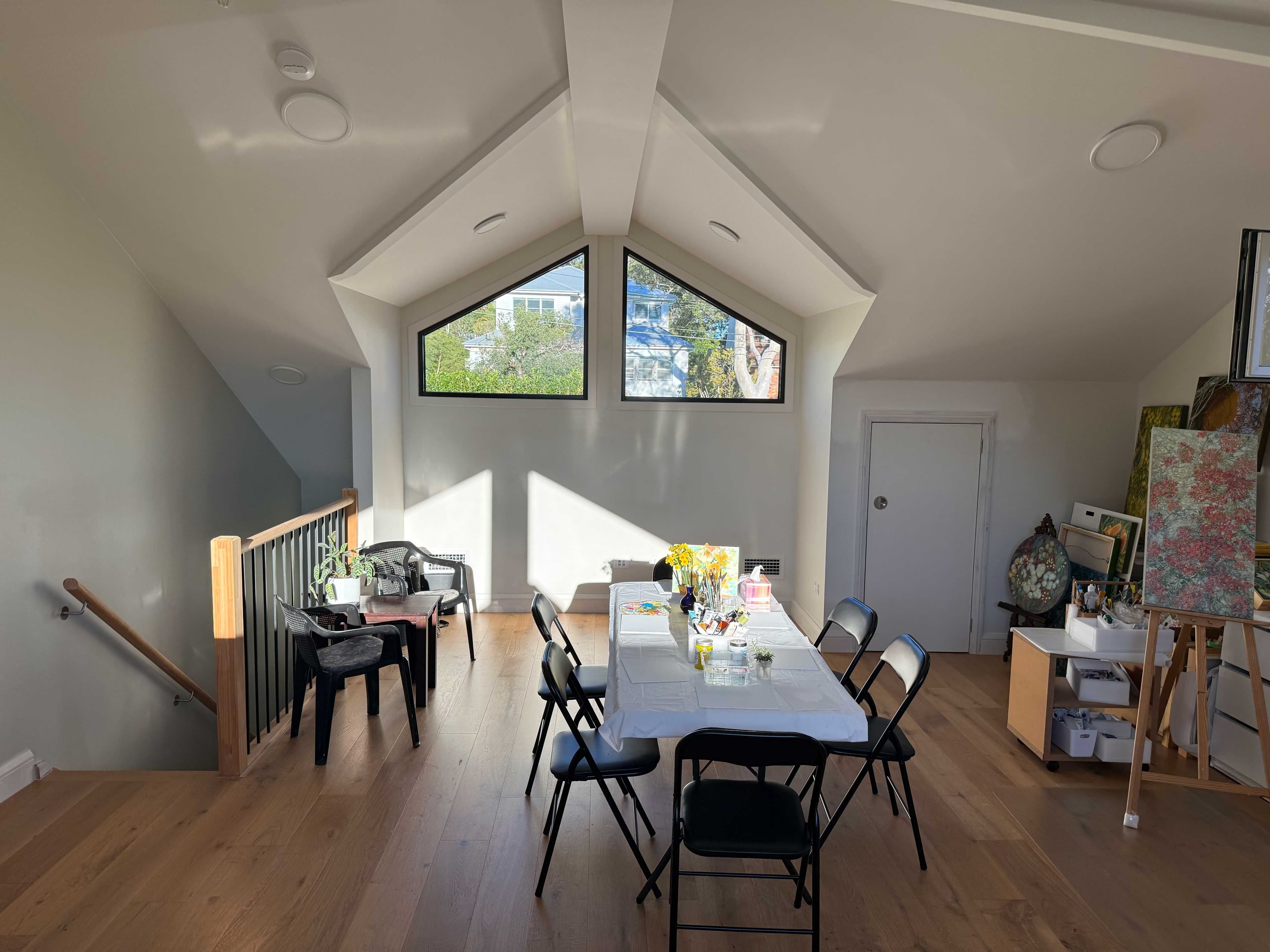
After a long period of planning, preparation and creating new teaching materials, I am delighted to announce that I am finally opening my studio doors to those who would like to learn how to create art with me. Over the years, many people have asked whether I teach. I wanted to wait until I could welcome participants to my newly renovated studio and offer a truly enjoyable creative experience. That time has now arrived. My workshops are designed for adults and young people aged 12 and over, and all skill levels are welcome. You will learn the techniques I use in my own work, including building sculptural surfaces with texture paste, working with layered acrylics, and creating depth, light and atmosphere in your paintings, along with many other practical tips and techniques. Maximum of 7 participants to ensure plenty of individual step by step guidance and personal attention. Suitable for beginners and experienced artists alike. No prior drawing or painting experience required. All art materials are provided.