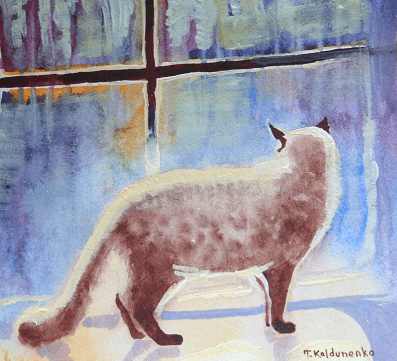
In the fifth grade, I first tried watercolour painting—and it instantly became a source of immense joy. The way the pigments danced and blended on paper felt like magic. I discovered that watercolours have a mind of their own: their fluidity and unpredictability invite collaboration rather than control.
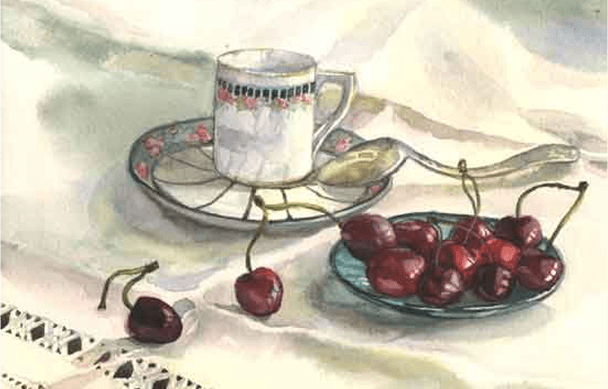
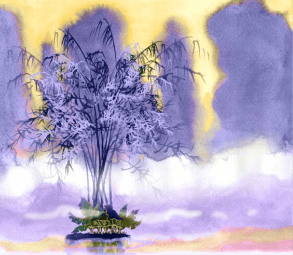
Over the years, this dialogue between brush, water, and pigment has stayed with me. Every time I pick up a watercolour brush, I’m reminded of that first spark of discovery in year 5—the joy of watching colours flow freely, forming something beautiful and unexpected.
My journey with art didn’t stop there. I’ve dedicated my entire life to studying and working with various materials—acrylics, oils, texture pastes, and more—each offering its own challenges and rewards.
Yet watercolour remains my first love, the medium that taught me to trust the process and embrace the beauty of imperfection.
Even today, that simple act of dipping the brush in water brings not only pigments to paper but also a flood of memories, a quiet sense of gratitude, and a profound satisfaction that has endured since those early school days.
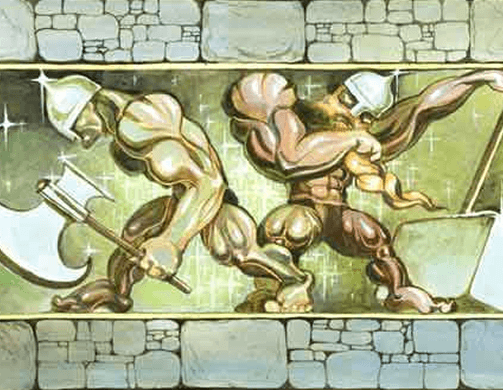
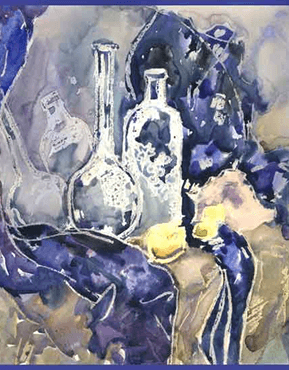
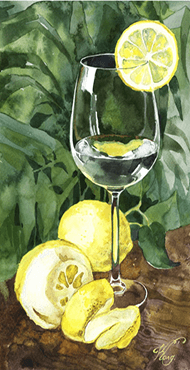
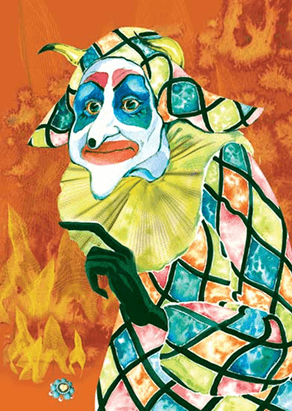
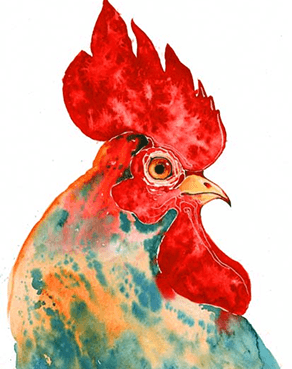
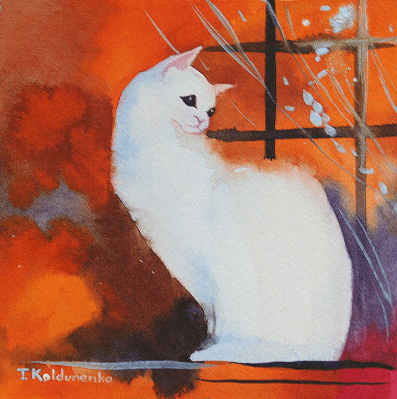
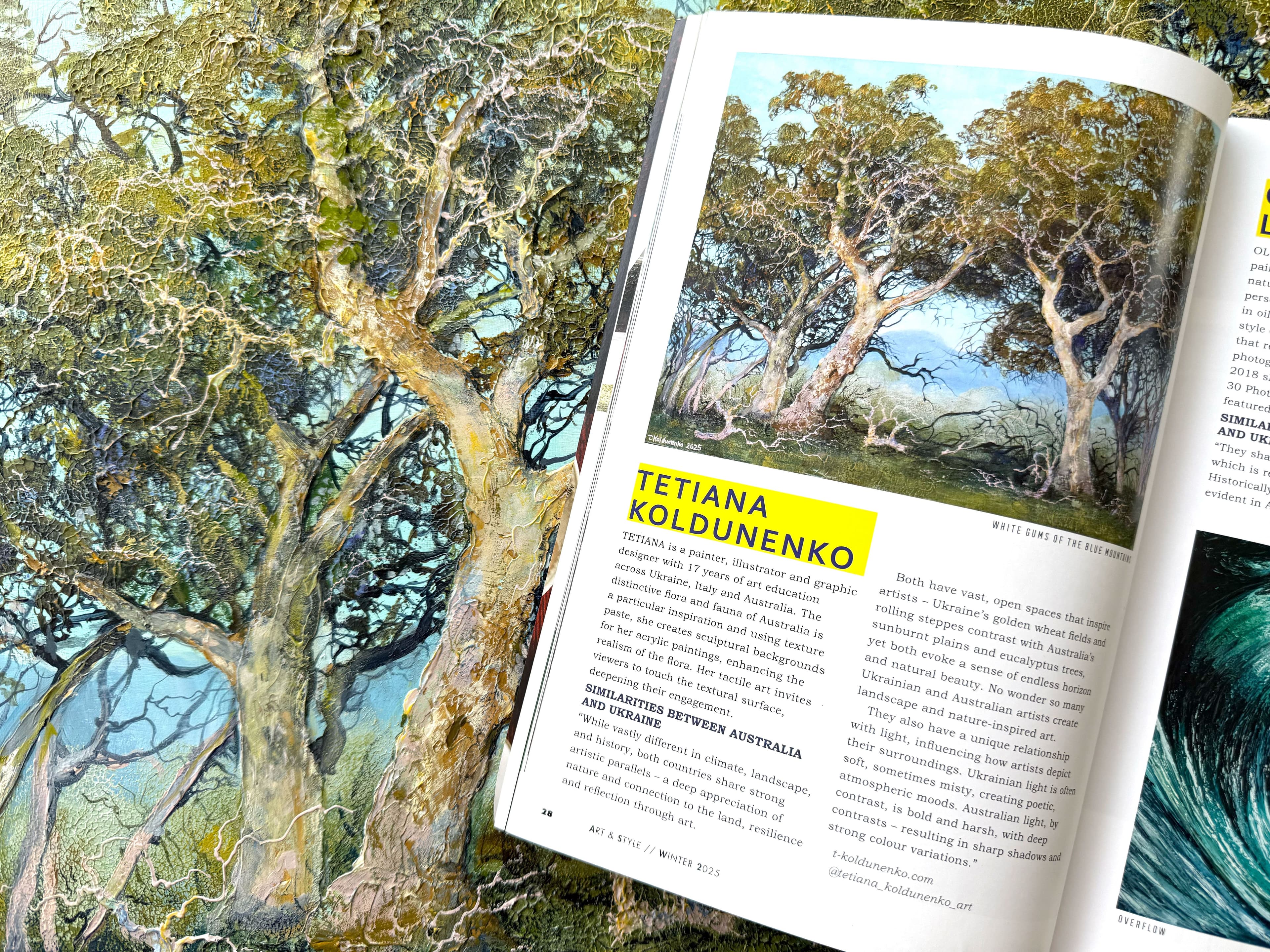
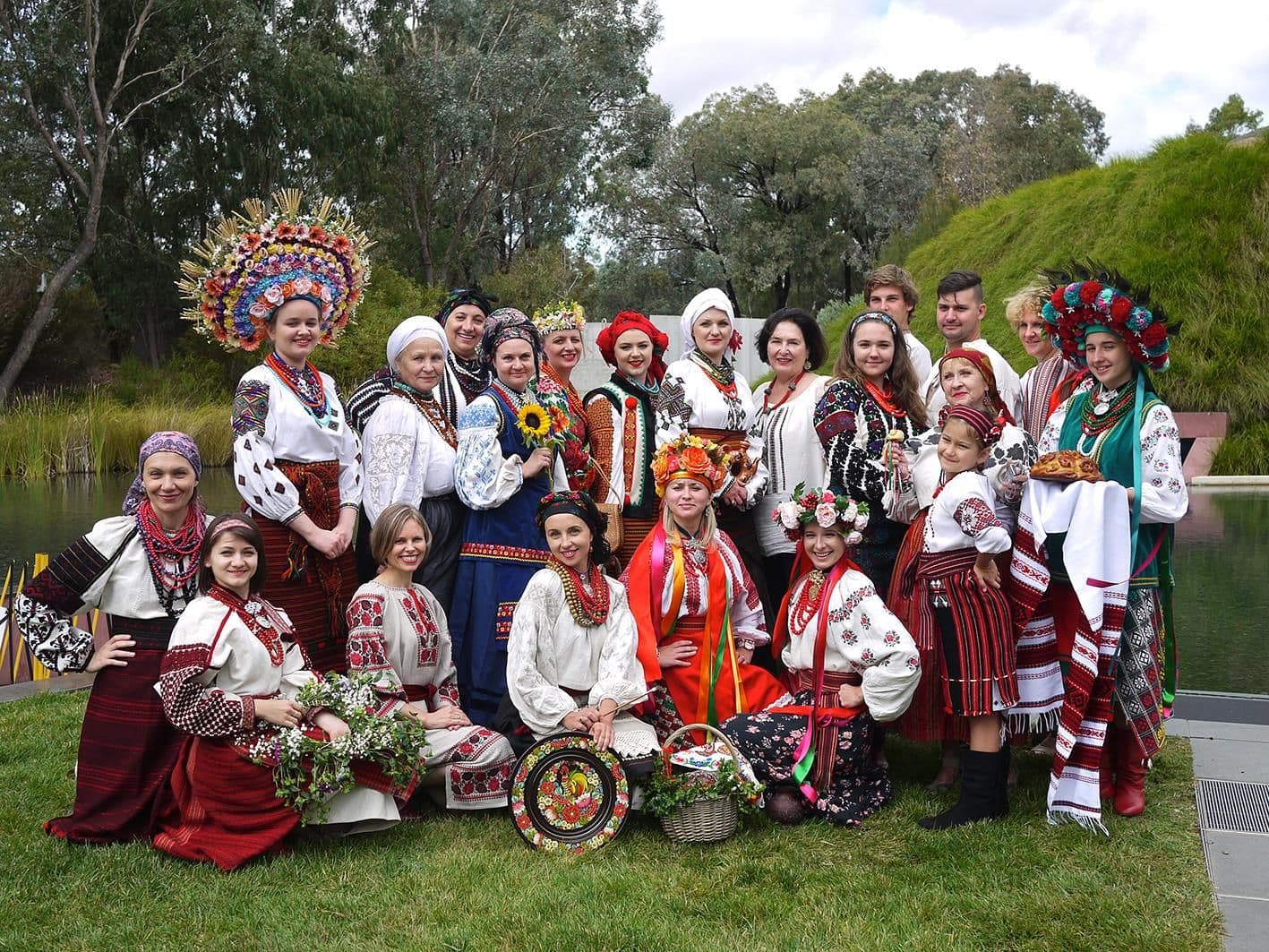
We’re very grateful to be featured in the latest issue of Art & Style Magazine, which includes a thoughtful article about True Blue & a Little Bit of Yellow artist collective. The feature explores how our art supports ongoing fundraising efforts, highlights the unexpected connections between Ukraine and Australia, and introduces each artist’s individual style and approach. It’s a generous and well-considered look at our shared work and values. A huge thank you to Doug Clark for the wonderful write-up, and sincere thanks to Wayne at Northern Beaches Gallery for his continued support. This issue is filled with remarkable talent, and we’re honoured to be included among it.
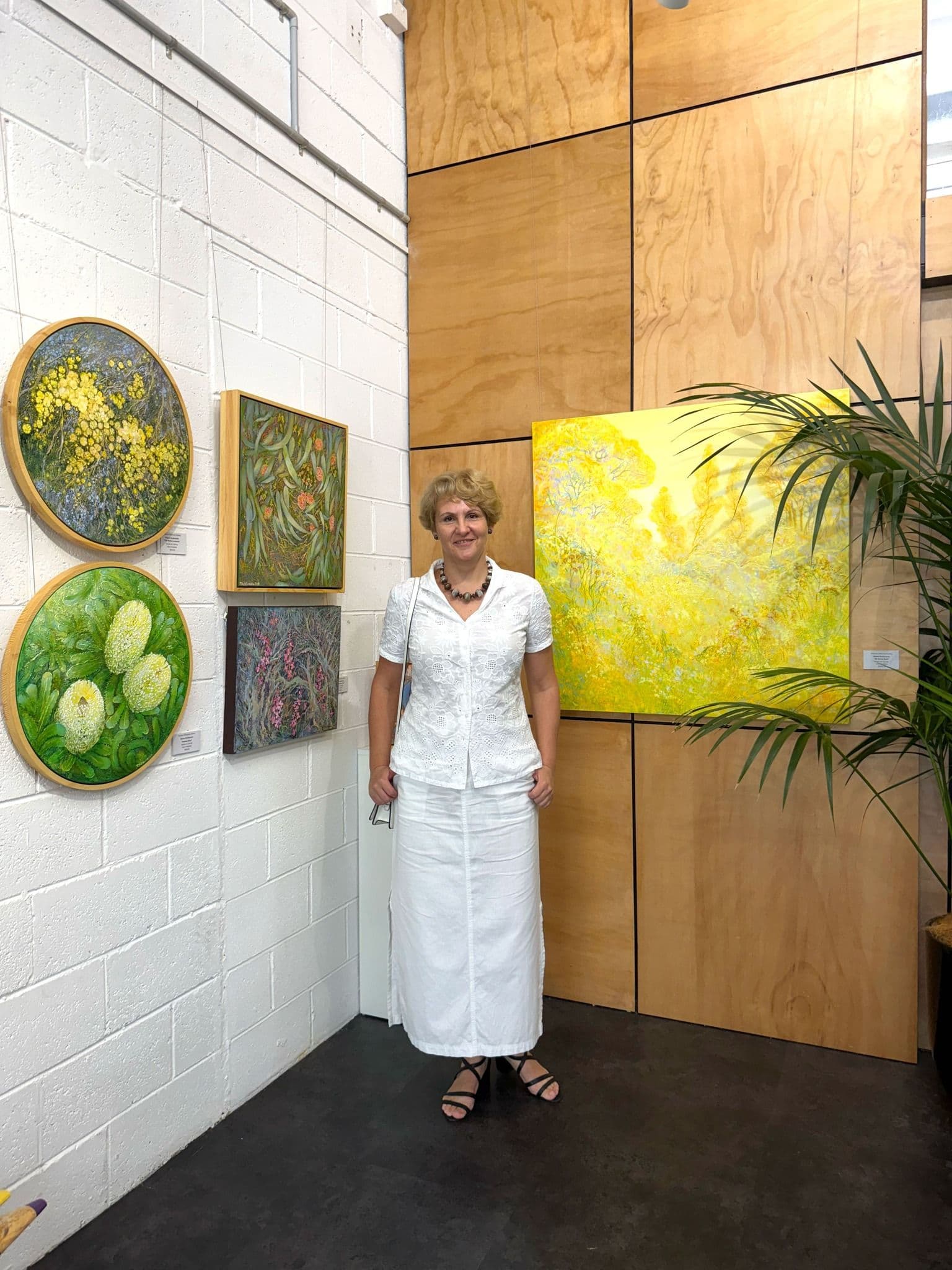
In March 2025, True Blue & a Little Bit of Yellow presented a fundraising exhibition titled The Spirit of the Peninsula at Northern Beaches Gallery, Cromer. Running from 8–22 March, the exhibition invited visitors to walk through the familiar rhythms of the peninsula — its streets, bushland, and the light-filled beaches of North Sydney. The works reflected a strong sense of place while remaining deeply connected to broader stories of belonging and care. At its heart, The Spirit of the Peninsula was about building a bridge between Australia and Ukraine. Through art, the exhibition created a space for connection, support, and generosity during challenging times, reminding us that local landscapes can carry global meaning.